Excellent PLC



| Company Information | ||||||||
| [email protected] | ||||||||
| Mobile | +8613666033393 | |||||||
| +8613666033393 | ||||||||
| 13666033393 | ||||||||
| Add | Room 1004, No. 62 Xiangxiu Li, Siming District, Xiamen City, Fujian Province, China | |||||||
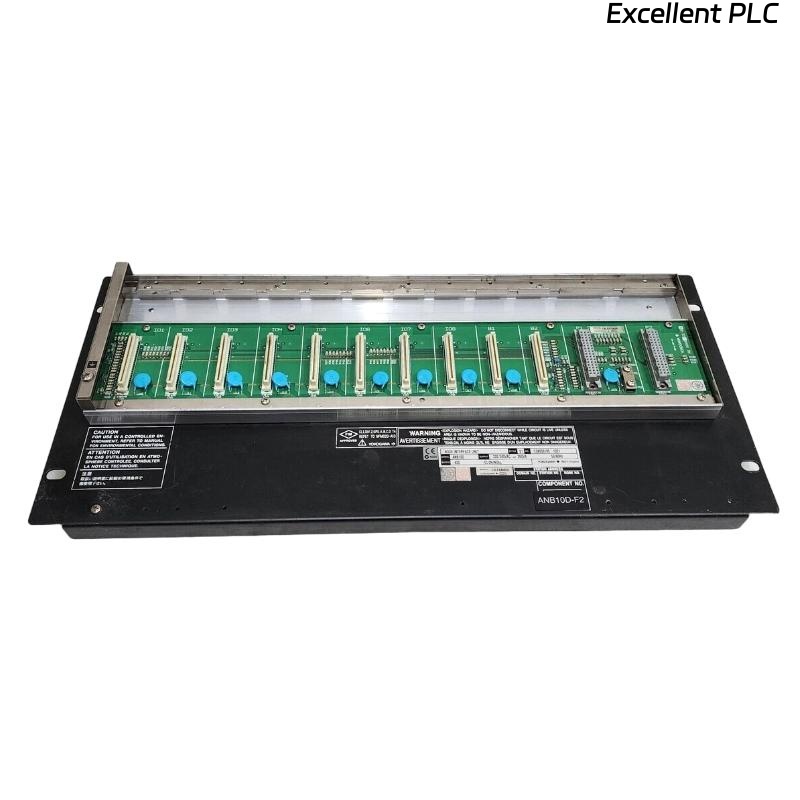
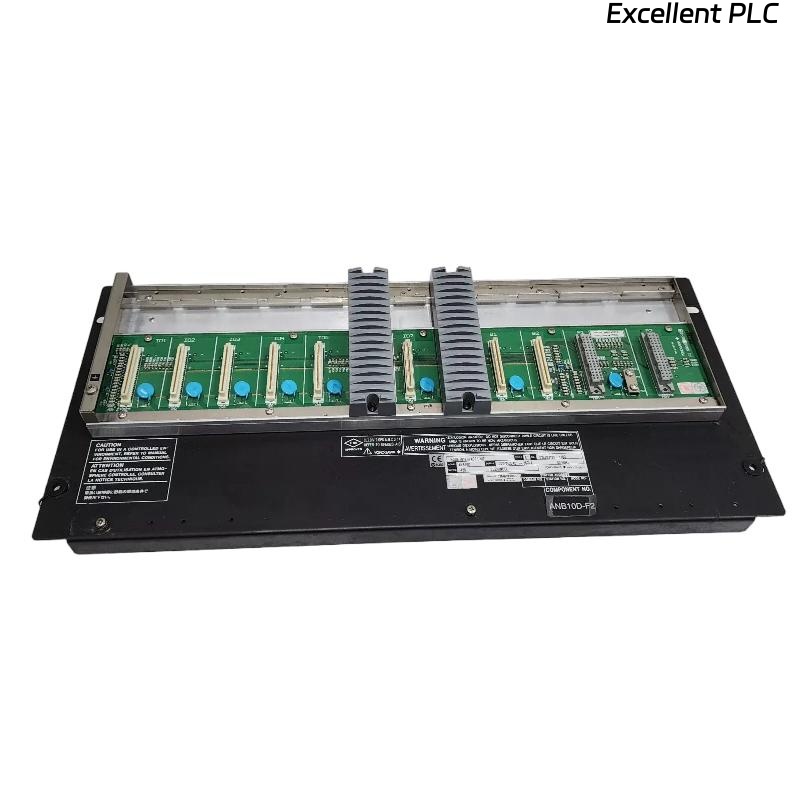
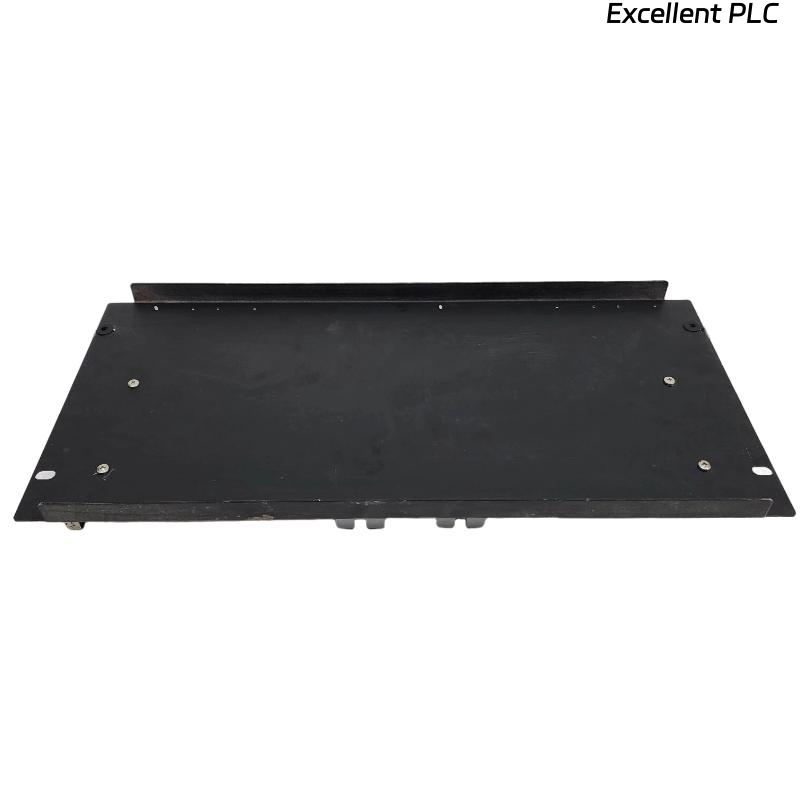
Yokogawa ANB10D-415 ESB Bus Node Unit
- Product Details
- FAQs
- Related
- Contact Us
- Packing & Delivery
- Product Ratings
Product Introduction
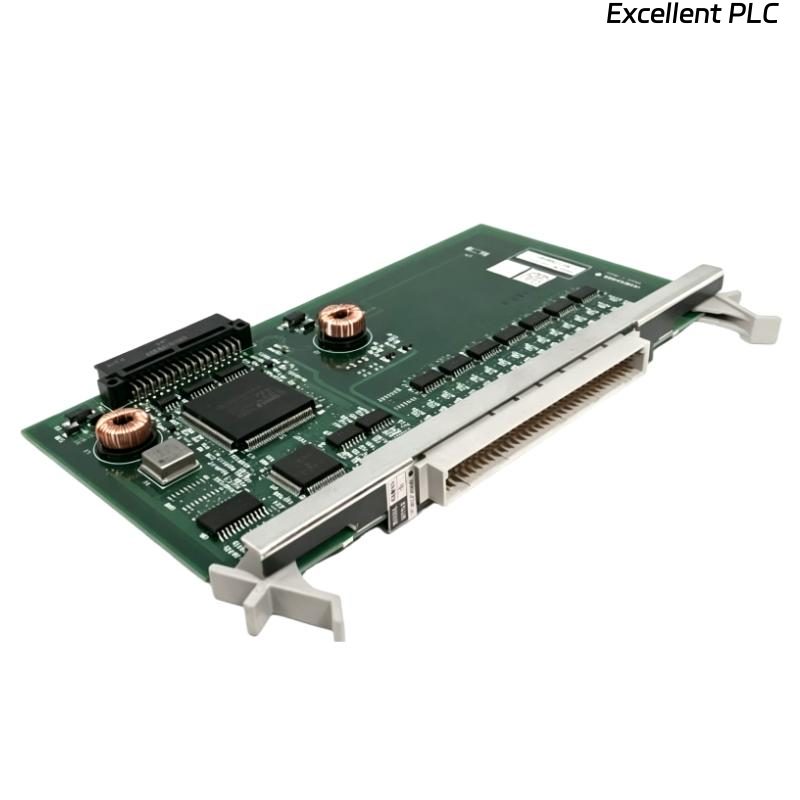
The Yokogawa ANB10D-415 ESB Bus Node Unit is a critical component in the ESB (Embedded System Backbone) bus communication infrastructure, developed to provide high-speed, deterministic, and reliable data transfer across distributed control systems (DCS). As a bus node unit, it acts as the primary interface between ESB bus communication lines and connected modules, ensuring seamless synchronization and stable system operation.
Designed with Yokogawa’s engineering expertise, the ANB10D-415 is capable of handling real-time communication requirements in large-scale and mission-critical automation systems. It integrates multiple modules, manages data transmission integrity, and provides robust fault tolerance in environments where downtime is unacceptable.
Product Specifications
| Parameter | Specification |
|---|---|
| Model Number | ANB10D-415 |
| Product Type | ESB Bus Node Unit |
| Communication Method | ESB Bus Protocol (High-speed, deterministic) |
| Interfaces | Supports multiple module connections |
| Bus Ports | Dual redundant ESB bus ports |
| Data Transfer Rate | High-speed real-time communication |
| Power Supply | 24 V DC |
| Power Consumption | < 15 W |
| Operating Temperature | 0°C to 55°C |
| Storage Temperature | -20°C to 70°C |
| Humidity Tolerance | 5% to 95% RH (non-condensing) |
| Shock Resistance | 15 g, 11 ms |
| Vibration Resistance | 2 g, 10–150 Hz |
| EMC Compliance | IEC/EN Standards |
| Safety Certification | CE, RoHS, TÜV |
| Dimensions | 482.6 × 221.5 ×205 mm |
| Weight | 10 kg |
Applications
The ANB10D-415 ESB Bus Node Unit is designed for a wide range of industrial automation and control applications, particularly in complex and distributed networks where communication reliability is essential:
-
Distributed Control Systems (DCS): Acts as a central bus node unit, interconnecting multiple modules within Yokogawa’s CENTUM VP and related systems.
-
Oil & Gas Industry: Ensures robust and continuous communication in upstream, midstream, and downstream operations.
-
Power Generation Plants: Manages data flow between controllers, subsystems, and I/O modules in turbines and substations.
-
Petrochemical Plants: Provides secure, redundant communication paths in high EMI environments.
-
Pharmaceutical Manufacturing: Maintains compliance and precise process monitoring in validated environments.
-
Utilities and Water Treatment: Facilitates backbone communication for reliable control and monitoring.
Advantages
-
High-Speed Communication: Designed for deterministic data exchange with minimal latency.
-
Dual Redundancy: Dual ESB bus ports provide fault tolerance and ensure system availability.
-
Scalability: Supports multiple module connections for growing automation systems.
-
Hot-Swappable: Can be replaced without shutting down the system, minimizing downtime.
-
Robust Design: Resistant to shock, vibration, and harsh industrial environments.
-
Compliance with Global Standards: CE, RoHS, and TÜV certifications guarantee safety and reliability.
-
Centralized Integration: Acts as a communication hub within ESB bus networks.
-
Proven Reliability: Based on Yokogawa’s track record in long-term, mission-critical process automation.
FAQ
-
What is the main function of the ANB10D-415 in an ESB bus system?
It serves as a node unit that manages communication between ESB bus lines and connected modules. -
Does the ANB10D-415 support redundant operation?
Yes, it has dual redundant ESB bus ports for fault-tolerant communication. -
Which communication protocol is supported by this unit?
It supports Yokogawa’s ESB bus protocol for high-speed deterministic communication. -
Can the ANB10D-415 be integrated with CENTUM VP systems?
Yes, it is fully compatible with Yokogawa’s CENTUM VP and related DCS platforms. -
Is the ANB10D-415 hot-swappable?
Yes, it can be replaced during live operation without affecting system availability. -
How does the unit ensure communication reliability?
It regenerates signals, uses redundant ports, and complies with industrial EMC standards. -
What type of diagnostic features are included?
The unit provides status indicators and monitoring for communication integrity. -
What is the power supply requirement for the ANB10D-415?
It operates on a 24 V DC supply with a power consumption of less than 15 W. -
Does the ANB10D-415 have environmental resistance?
Yes, it is resistant to vibration, shock, and operates within 0°C to 55°C. -
Is the unit certified for global deployment?
Yes, it meets CE, RoHS, and TÜV certifications for safety and compliance.
Related Models (Same Series or Related)
| Model Number | Type | Key Feature |
|---|---|---|
| ANB10D-410 | ESB Bus Node Unit | Standard version for general communication |
| ANB10D-412 | ESB Bus Node Unit | Enhanced diagnostic functions |
| ANB10D-413 | ESB Bus Node Unit | Compact variant for smaller systems |
| ANB10D-414 | ESB Bus Node Unit | Dual-redundant version for fault tolerance |
| ANB10D-416 | ESB Bus Node Unit | Extended range communication support |
| ANB10D-417 | ESB Bus Node Unit | High-speed optimized ESB node unit |
Popular Models (Same Brand)
| Model Number | Type | Key Feature |
|---|---|---|
| CP451-10 | Controller Module | High-performance CPU for DCS systems |
| FIO110 | Field I/O Module | Flexible I/O expansion capability |
| PW482-10 | Power Supply Module | Stable DC power supply for control modules |
| AIP827-10 | Analog Input Module | High-precision analog signal processing |
| ALR121 | Alarm Module | Alarm/event monitoring and management |
| SAI143-H50 | Safety Analog Input Module | SIL-certified module for safety applications |
FAQ
-
What is the main function of the ANB10D-415 in an ESB bus system?
It serves as a node unit that manages communication between ESB bus lines and connected modules. -
Does the ANB10D-415 support redundant operation?
Yes, it has dual redundant ESB bus ports for fault-tolerant communication. -
Which communication protocol is supported by this unit?
It supports Yokogawa’s ESB bus protocol for high-speed deterministic communication. -
Can the ANB10D-415 be integrated with CENTUM VP systems?
Yes, it is fully compatible with Yokogawa’s CENTUM VP and related DCS platforms. -
Is the ANB10D-415 hot-swappable?
Yes, it can be replaced during live operation without affecting system availability. -
How does the unit ensure communication reliability?
It regenerates signals, uses redundant ports, and complies with industrial EMC standards. -
What type of diagnostic features are included?
The unit provides status indicators and monitoring for communication integrity. -
What is the power supply requirement for the ANB10D-415?
It operates on a 24 V DC supply with a power consumption of less than 15 W. -
Does the ANB10D-415 have environmental resistance?
Yes, it is resistant to vibration, shock, and operates within 0°C to 55°C. -
Is the unit certified for global deployment?
Yes, it meets CE, RoHS, and TÜV certifications for safety and compliance.
Related Models (Same Series or Related)
| Model Number | Type | Key Feature |
|---|---|---|
| ANB10D-410 | ESB Bus Node Unit | Standard version for general communication |
| ANB10D-412 | ESB Bus Node Unit | Enhanced diagnostic functions |
| ANB10D-413 | ESB Bus Node Unit | Compact variant for smaller systems |
| ANB10D-414 | ESB Bus Node Unit | Dual-redundant version for fault tolerance |
| ANB10D-416 | ESB Bus Node Unit | Extended range communication support |
| ANB10D-417 | ESB Bus Node Unit | High-speed optimized ESB node unit |
Popular Models (Same Brand)
| Model Number | Type | Key Feature |
|---|---|---|
| CP451-10 | Controller Module | High-performance CPU for DCS systems |
| FIO110 | Field I/O Module | Flexible I/O expansion capability |
| PW482-10 | Power Supply Module | Stable DC power supply for control modules |
| AIP827-10 | Analog Input Module | High-precision analog signal processing |
| ALR121 | Alarm Module | Alarm/event monitoring and management |
| SAI143-H50 | Safety Analog Input Module | SIL-certified module for safety applications |

| Company Information | ||||||||
| [email protected] | ||||||||
| Mobile | +8613666033393 | |||||||
| +8613666033393 | ||||||||
| 13666033393 | ||||||||
| Add | Room 1004, No. 62 Xiangxiu Li, Siming District, Xiamen City, Fujian Province, China | |||||||
Excellent PLC Co., Ltd. has a large number of brand new and original PLC and DCS spare parts, with more than 60 cooperative countries. All products are guaranteed for 1 year and delivered to you by high-quality express. We are committed to using the best products and the most favorable prices to meet the needs and friendship of our customers. We have won the trust of thousands of customers, including these excellent customers.

As for the delivery time, when we receive your order requirements, we will arrange for warehouse personnel to test and verify the products. After you place the order, we will send it to you within 24 hours.
Click to rate this post!
[Total: 0 Average: 0]