Excellent PLC


| Company Information | ||||||||
| [email protected] | ||||||||
| Mobile | +8613666033393 | |||||||
| +8613666033393 | ||||||||
| 13666033393 | ||||||||
| Add | Room 1004, No. 62 Xiangxiu Li, Siming District, Xiamen City, Fujian Province, China | |||||||
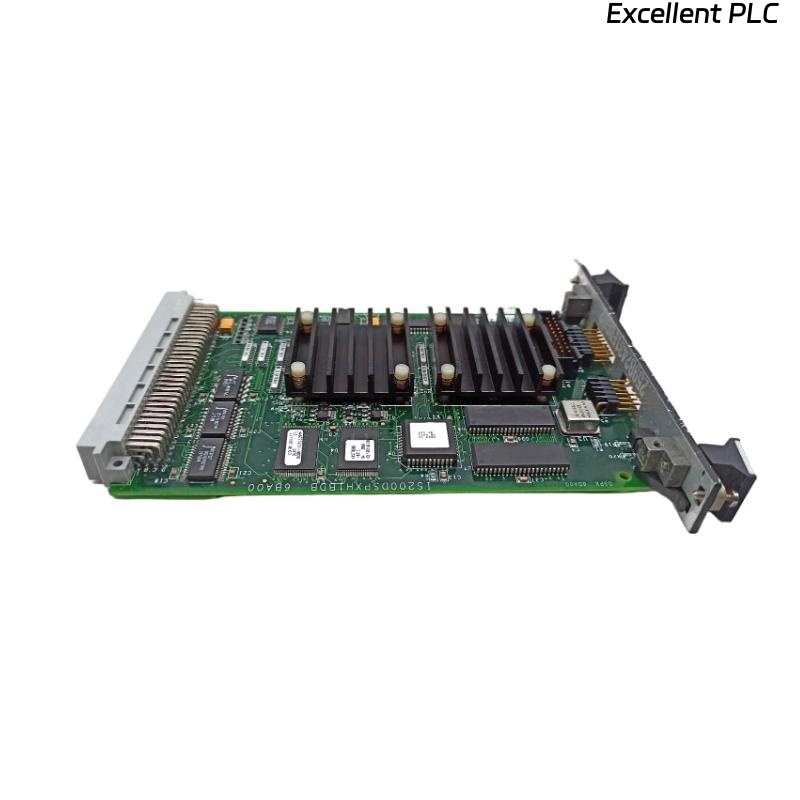
GE IS200DSPXH1BDB Digital Signal Processor Control Module
- Product Details
- FAQs
- Related
- Contact Us
- Packing & Delivery
- Product Ratings

Overview
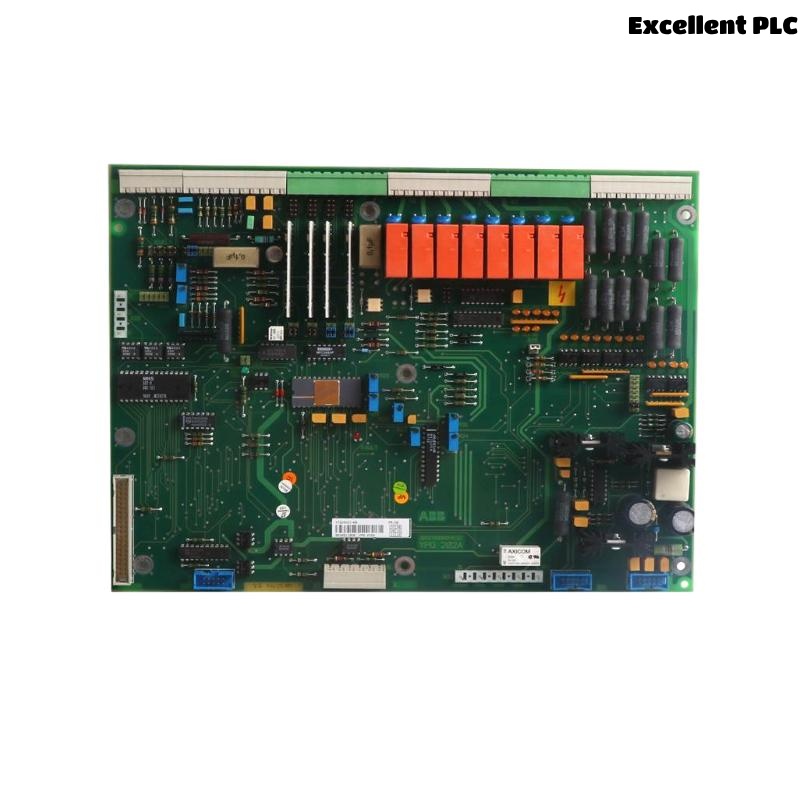
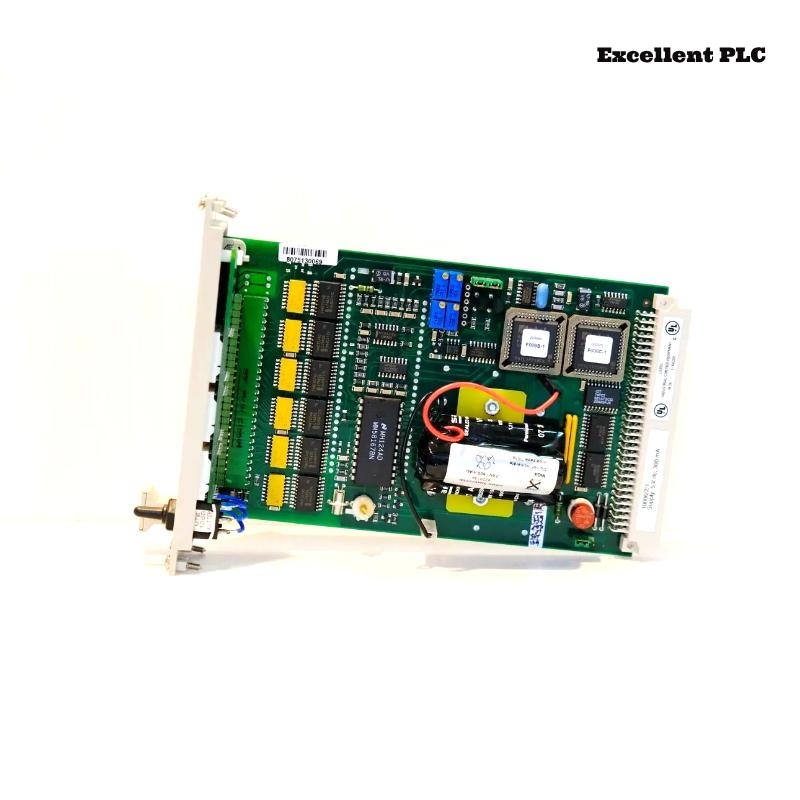
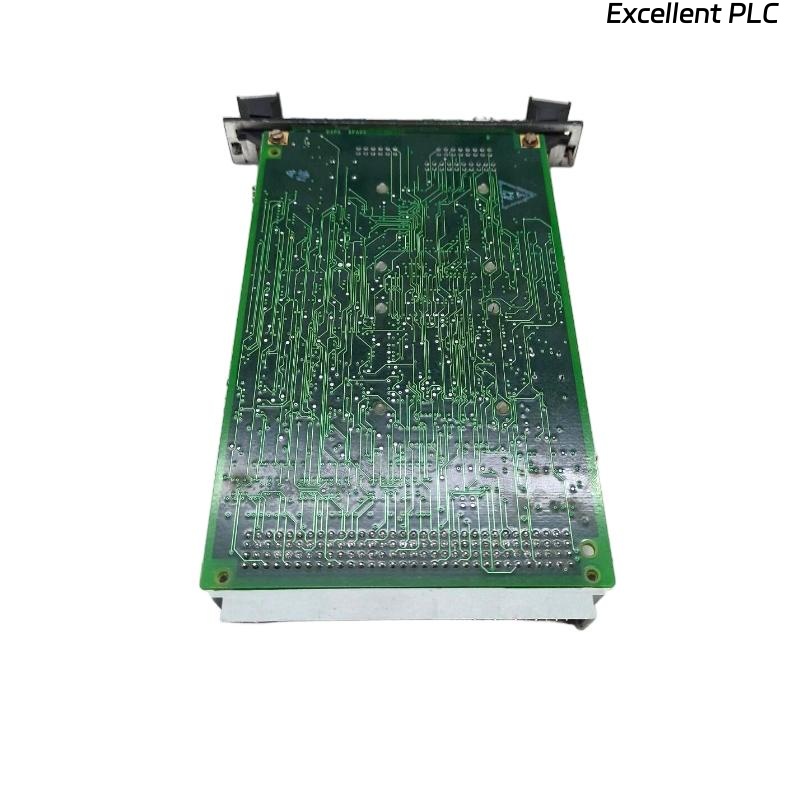
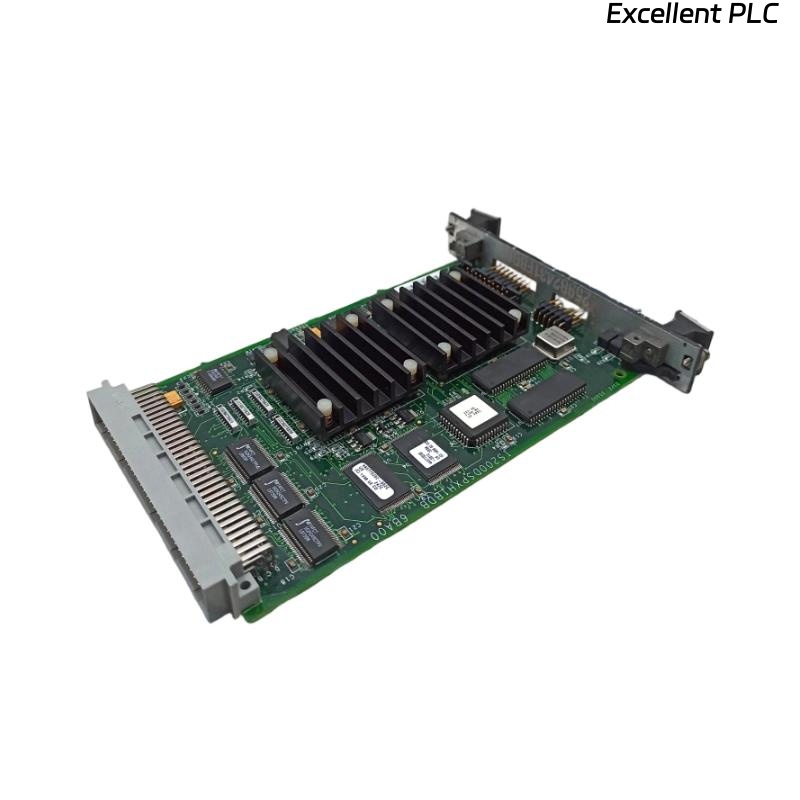
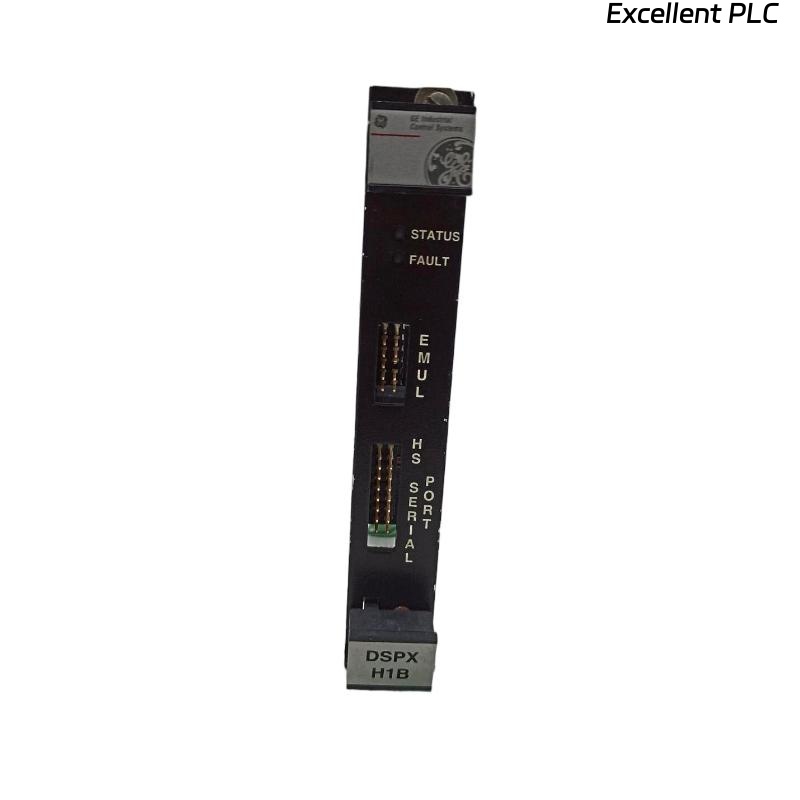
The GE IS200DSPXH1BDB is a digital signal processor module built for fast, deterministic execution within Mark VI and Mark VIe turbine control architectures. In project deployments, this board often becomes the backbone of real-time calculations—governing speed control loops, generating PWM signals, or executing protection logic. Its core architecture emphasizes tight synchronization, reduced processing latency, and stable operation under demanding conditions, making it particularly suitable for field upgrades or long-cycle OEM installations.
Technical Profile & Mechanical Data
| Specification | Details |
|---|---|
| Brand | GE |
| Model | IS200DSPXH1BDB |
| Module Type | Digital Signal Processor (DSP) Module |
| Processing Core | High-speed DSP unit optimized for turbine control loops |
| System Compatibility | Mark VI / Mark VIe |
| Typical Function | Control calculations, PWM generation, protective logic execution |
| Communication Interfaces | Backplane bus, FPGA-assisted signal routing |
| PCB Construction | Multi-layer industrial board with protective coating |
| Dimensions | 230 mm × 140 mm × 28 mm |
| Weight | 0.78 kg |
| Power Requirements | Backplane-supplied regulated low-voltage rails |
| Operating Temperature | –20°C to +65°C |
| Cooling Method | Passive convection |
Deployment Use Cases
This module is frequently integrated into control panels where deterministic DSP timing is crucial. Applications include:
-
Closed-loop turbine control calculations in combustion, steam, and mechanical drive systems
-
High-speed PWM handling for power electronics stages
-
Logic sequencing for protective relays and machine safety coordination
-
Retrofit scenarios where legacy DSP modules require improved timing accuracy
-
Hybrid control stacks combining FPGA routing with DSP computation
In distributed arrangements, the IS200DSPXH1BDB supports synchronous operation with other Mark VI/VIe modules, allowing integrators to maintain consistent timing across functions.
Key Strengths in System Integration
What makes this module valuable during commissioning is its predictable timing behavior. Engineers benefit from stable interrupt handling, low-latency bus communication, and minimal jitter when dealing with frequency-dependent loops. The board’s hardware layout supports strong EMI tolerance, enabling deployment in cabinets located near high-current switching equipment. Its compact mechanical design simplifies panel layouts while supporting extended system lifecycles.
Technical FAQs
-
What role does the IS200DSPXH1BDB play in a Mark VI/VIe system?
It performs high-speed control calculations and signal processing. -
Does it include onboard memory?
Yes, sufficient dedicated memory is included for DSP algorithms and data buffers. -
Are firmware updates required?
Only if specified by GE during major control system revisions. -
Can it replace IS200DSPXH1CAA or similar revisions?
In many cases yes, but rack compatibility must be verified. -
Does this module interface with FPGA-based routing?
Yes, DSP work is often paired with FPGA processing. -
What signals does it commonly manage?
PWM signals, feedback loops, and turbine control computations. -
Is the module considered field-repairable?
Replacement is preferred over board-level repair. -
What indicates DSP performance degradation?
Timing drift, abnormal loop behavior, or diagnostic mismatch events. -
Is redundant configuration supported?
Yes, when used in paired or triple-modular redundant control setups. -
How long is the typical operational lifespan?
Many installations exceed 10–15 years under normal industrial conditions.
Related Recommended Models
| Model | Description |
|---|---|
| IS200DSPXH1CAA | Earlier DSP revision for Mark VI/VIe |
| IS200DSPXH2CAA | High-density variant with enhanced routing |
| IS200BPIIH1AAA | Power interface module supporting DSP-managed outputs |
Popular GE Modules Used Alongside DSP Boards
| Model | Category / Function |
|---|---|
| IS200RCSBG1BAA | Reactor current sensing module |
| DS200SDCIG2AHB | Drive control interface |
| IS200TBAOH1CCB | Terminal board for analog I/O |
| IS200DRLYH1BBB | Relay output module |
| IS200BAIAH1BEE | Analog input conditioning module |

| Company Information | ||||||||
| [email protected] | ||||||||
| Mobile | +8613666033393 | |||||||
| +8613666033393 | ||||||||
| 13666033393 | ||||||||
| Add | Room 1004, No. 62 Xiangxiu Li, Siming District, Xiamen City, Fujian Province, China | |||||||
Excellent PLC Co., Ltd. has a large number of brand new and original PLC and DCS spare parts, with more than 60 cooperative countries. All products are guaranteed for 1 year and delivered to you by high-quality express. We are committed to using the best products and the most favorable prices to meet the needs and friendship of our customers. We have won the trust of thousands of customers, including these excellent customers.
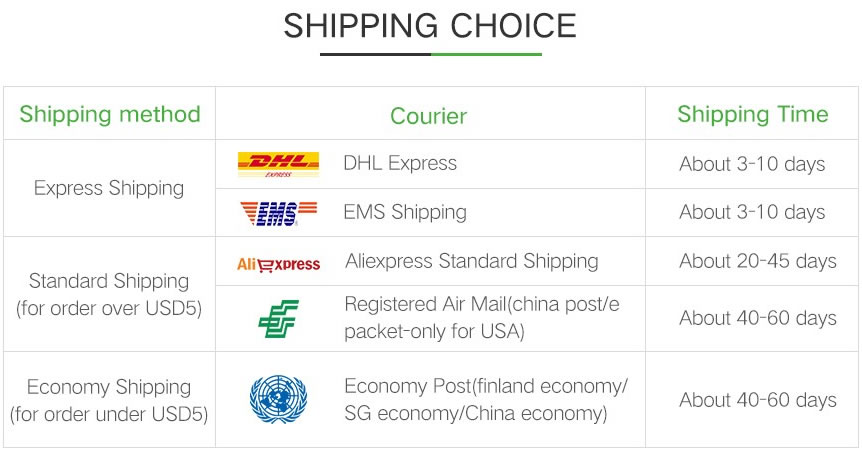
As for the delivery time, when we receive your order requirements, we will arrange for warehouse personnel to test and verify the products. After you place the order, we will send it to you within 24 hours.
Click to rate this post!
[Total: 0 Average: 0]