 Excellent PLC


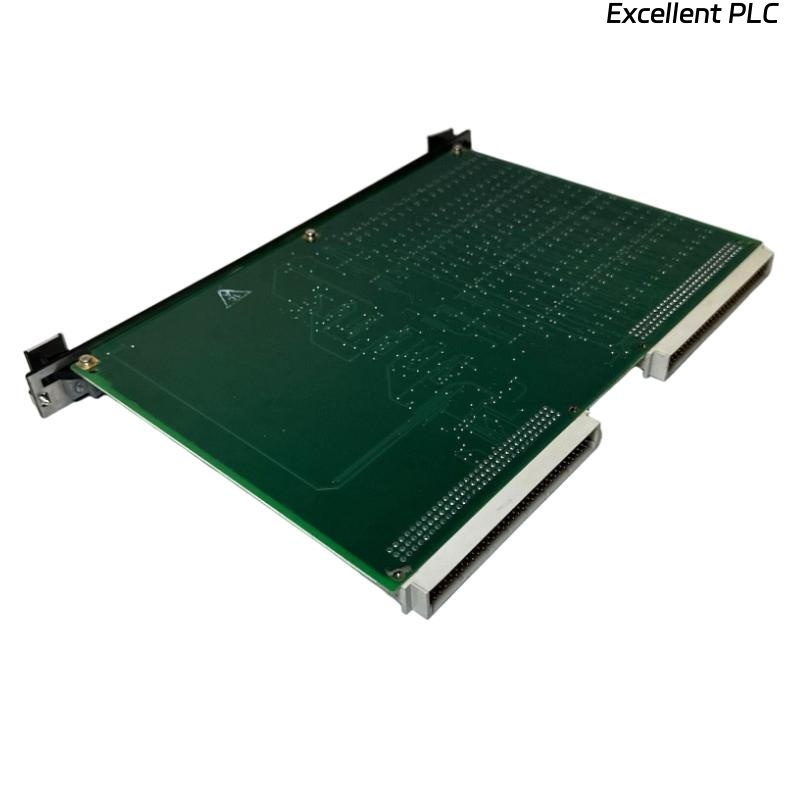
When an IS200ESELH1AAA fails shortly after being replaced, the board itself is rarely the real problem.
In practice, a second failure within days is usually the system’s way of saying: the root cause was never removed.
Experienced GE engineers tend to stop thinking in terms of “bad board” at this point and start looking at why the environment is killing it.
A Repeat Failure Almost Always Means External Stress
The ESEL board does not normally fail suddenly under normal operating conditions.
If a brand-new or refurbished unit dies within 48 hours, something upstream or downstream is overstressing it.
Common stress sources seen in the field include:
-
unstable or noisy 125 V / 24 V supply feeding the board
-
ground potential differences between cabinets
-
transient spikes from solenoids, relays, or contactors
-
incorrect external wiring pulling current where it shouldn’t
-
poor cabinet cooling causing localized overheating
One GE specialist once put it bluntly:
“Boards don’t commit suicide — they get murdered.”
Power Quality Is the First Suspect, Every Time
Before installing another replacement, the power feeding the ESEL must be verified under real operating conditions.
Not just nominal voltage — but:
-
voltage stability during startup and load changes
-
ripple and transient behavior
-
reference ground integrity
Many repeat failures trace back to aging power supplies that look fine on a multimeter but collapse momentarily under load.
If the ESEL is exposed to repeated undervoltage or spikes, its internal regulators and interface ICs will not survive long.
External Circuits Can Quietly Destroy a New Board
The ESEL interfaces with external devices that may not be as healthy as the controller itself.
Field cases frequently reveal:
-
shorted solenoid coils
-
incorrect suppression on inductive loads
-
miswired field terminals
-
damaged I/O cables injecting noise or backfeed voltage
In these situations, the first ESEL fails.
The second one fails faster — because the fault is still present.
A seasoned technician once said:
“If the second board dies quicker than the first, the field wiring is guilty until proven innocent.”
Grounding and Shielding Issues Don’t Show Up in Diagnostics
Poor grounding rarely throws a clean alarm.
Instead, it causes slow, cumulative damage.
Typical warning signs include:
-
failures always after a few hours or days
-
boards warm to the touch without obvious overload
-
inconsistent communication or logic faults before total failure
Mixed grounding schemes, floating shields, or multiple ground references between panels are common contributors.
This is especially critical in older installations that have been modified over the years.
Compatibility and Revision Mismatch Should Not Be Ignored
Although IS200ESELH1AAA boards are generally interchangeable, mismatches can still matter:
-
firmware expectations
-
cabinet type differences
-
legacy wiring adapted for newer revisions
Installing the “correct part number” is not always the same as installing the correct electrical environment for that revision.
Experienced engineers often compare the failed board and the original side by side, looking for subtle differences in component layout or protection circuits.
What Experienced Teams Do Before Installing a Third Board
At this stage, good maintenance teams slow down instead of swapping faster.
Typical actions include:
-
isolating and megger-testing external circuits
-
checking surge suppression on all connected loads
-
verifying cabinet airflow and ambient temperature
-
monitoring power rails over time, not just at startup
-
inspecting the failed board to identify the stressed area
This turns the second failure into a diagnostic tool, not just another loss.
The Practical Conclusion from the Field
If an IS200ESELH1AAA fails again after two days, the correct response is not to replace it immediately.
The correct mindset is:
-
The board is reacting to a problem elsewhere
-
Replacing it again without investigation risks a third failure
-
The system environment must be treated as suspect
Or, as one veteran GE engineer summarized:
“The second failure isn’t bad luck — it’s feedback.”