 Excellent PLC


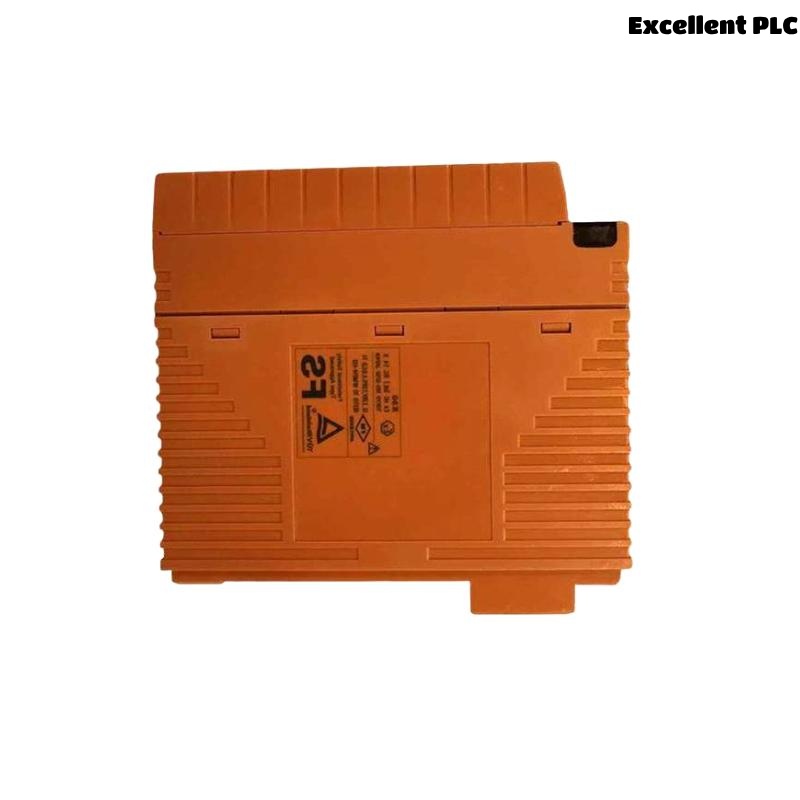
The Yokogawa SNT511-13 slave bus repeater module is designed to operate quietly under the supervision of a master unit.
When it refuses to install—or appears installed but never comes online—the issue is rarely mechanical alone.
In most field cases, the module is not “failing to install.”
It is failing to be accepted by the bus environment it depends on.
A Slave Module Cannot Define Its Own Context
Unlike a master repeater, the SNT511-13 has no authority to establish timing or topology.
Its entire operating state depends on what it sees upstream.
If the master repeater is not fully operational, synchronized, and trusted by the system, the slave module has no valid reference to lock onto.
This is why experienced engineers always evaluate the master’s health before touching the slave.
“Installed” and “Recognized” Are Two Different States
In Yokogawa optical bus systems, a slave repeater may be:
-
mechanically seated
-
powered
-
visible at a basic hardware level
and still be rejected operationally.
The SNT511-13 evaluates whether:
-
optical timing is valid
-
upstream identity is consistent
-
redundancy expectations are met
-
communication margin is sufficient
If any of these checks fail, the module remains inactive by design.
Optical Directionality Is a Frequent Root Cause
One of the most common field mistakes involves fiber direction.
The SNT511-13 assumes a very specific transmit/receive relationship with the master repeater.
If fibers are reversed, cross-connected, or routed differently than intended, the module will not install logically—even though light may be present.
This often leads to confusion because basic optical checks appear normal.
From the module’s perspective, the signal exists—but it does not make sense.
Configuration Completes the Physical Installation
Another frequent reason for installation failure is configuration mismatch.
The slave repeater must match the system’s expectations regarding:
-
its position in the bus
-
redundancy role
-
topology definition
-
database consistency
If the system configuration has not been updated—or only partially deployed—the module may be physically present but logically invisible.
Experienced engineers treat configuration download as part of installation, not a separate task.
Power and Reference Still Matter
Even though communication is optical, the SNT511-13 depends on stable electrical conditions.
Field experience repeatedly shows issues related to:
-
marginal supply voltage
-
shared power rails
-
grounding inconsistencies between cabinets
-
reference drift during startup
In these situations, the slave module may fail to synchronize and appear “not installed.”
Mechanical Details Can Quietly Prevent Acceptance
Because optical connectors feel secure even when imperfectly seated, mechanical issues are often underestimated.
Investigations frequently reveal:
-
fiber connectors not fully latched
-
strain introduced after cabinet doors are closed
-
dust contamination during installation
-
repeated reconnection degrading connector surfaces
Any of these can reduce optical margin just enough to block successful initialization.
Why Replacing the Slave Module Rarely Solves the Problem
Replacing the SNT511-13 often leads to the same result: the new module also fails to install.
This is a strong indication that the environment—not the hardware—is the limiting factor.
Experienced Yokogawa engineers see repeated replacement failures as confirmation that the system is behaving correctly.
How Experienced Engineers Diagnose the Situation
Rather than focusing on the slave module itself, seasoned teams usually:
-
verify the master repeater’s operational state
-
confirm optical direction and fiber type
-
inspect and clean all fiber interfaces
-
validate configuration consistency
-
observe behavior across multiple startups
This approach almost always identifies why the slave module was never accepted.
A Practical Interpretation From the Field
From long-term experience, the most accurate way to think about an SNT511-13 that “won’t install” is this:
-
the module is dependent by design
-
refusal indicates missing or unreliable context
-
installation margin defines success
As one senior Yokogawa engineer summarized it:
“A slave repeater that won’t come online is usually telling you the master hasn’t convinced it yet.”