Excellent PLC


| Company Information | ||||||||
| [email protected] | ||||||||
| Mobile | +8613666033393 | |||||||
| +8613666033393 | ||||||||
| 13666033393 | ||||||||
| Add | Room 1004, No. 62 Xiangxiu Li, Siming District, Xiamen City, Fujian Province, China | |||||||
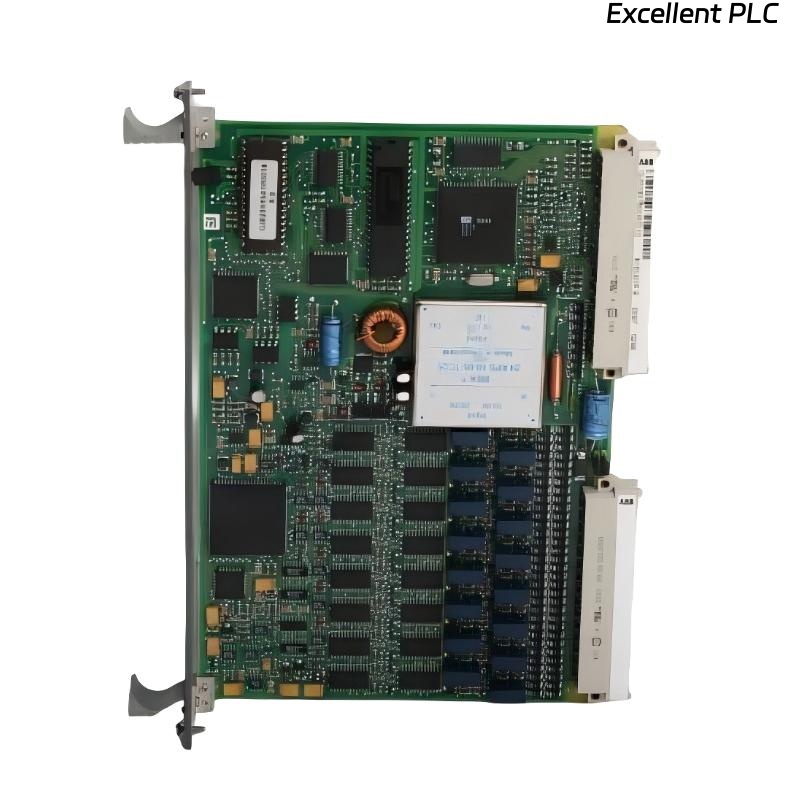
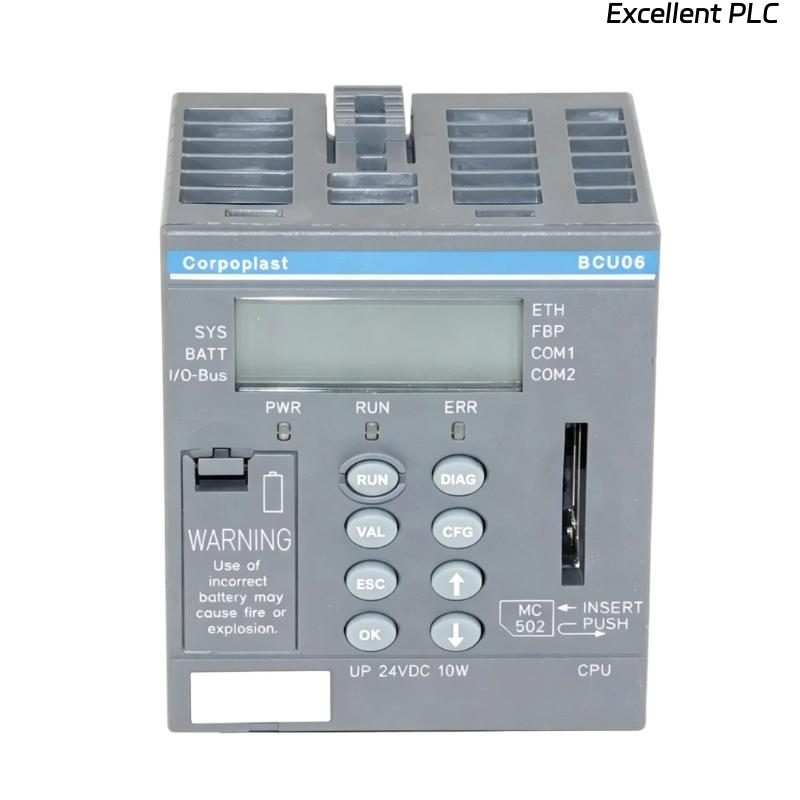
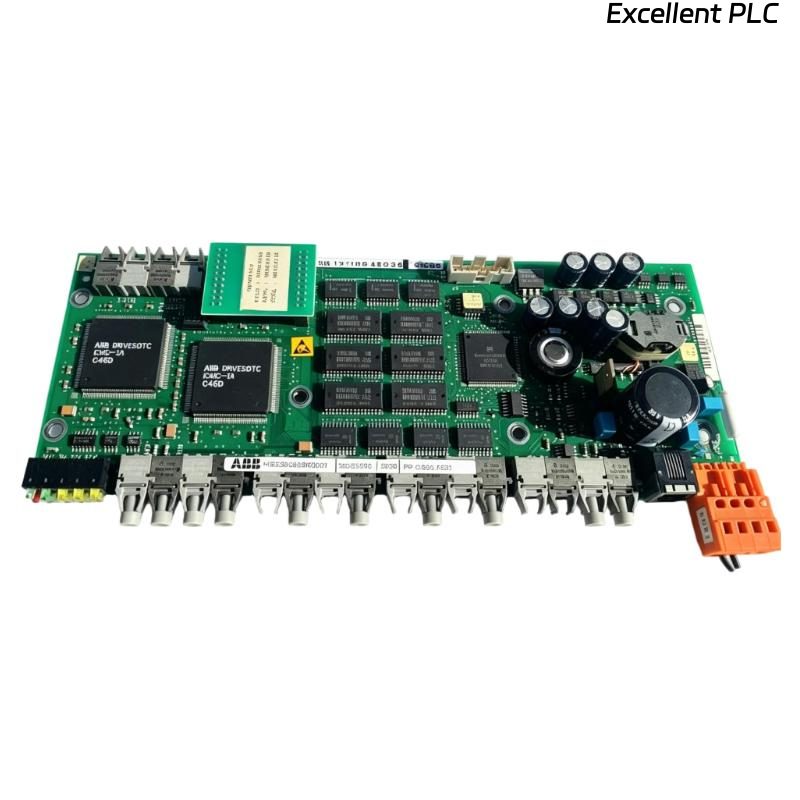
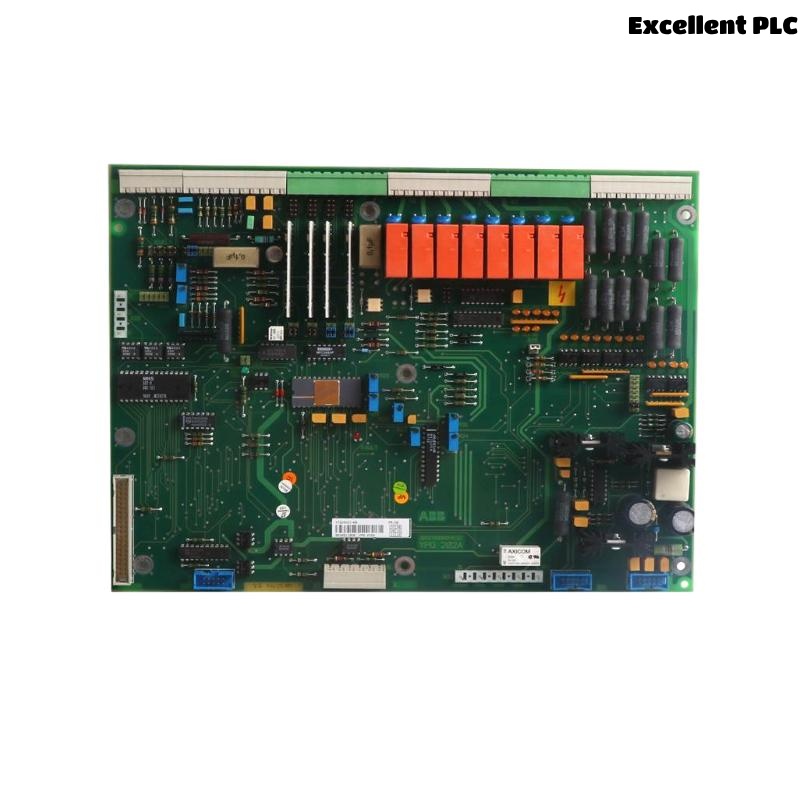
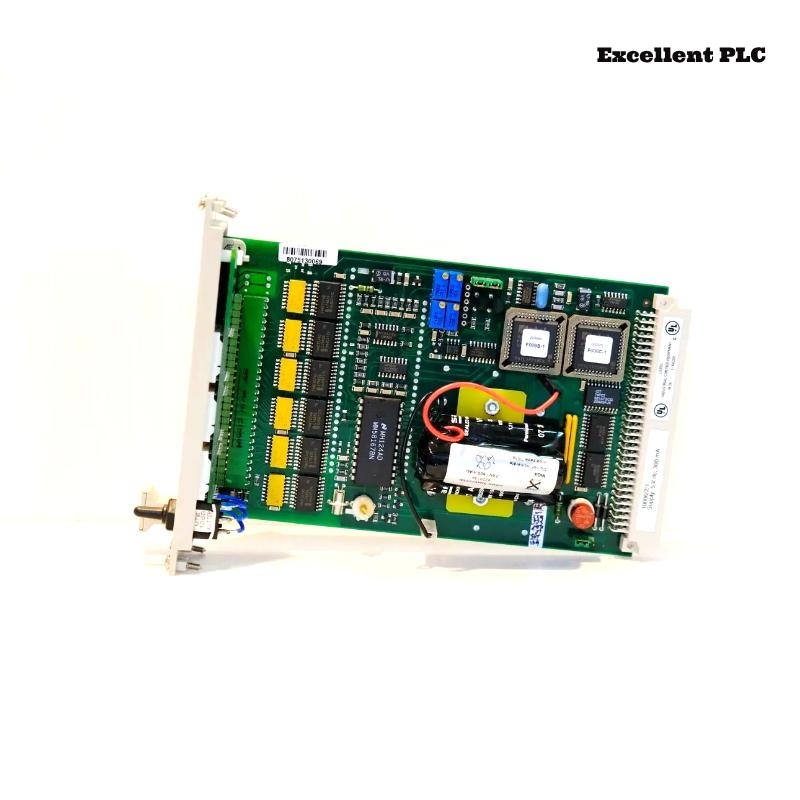
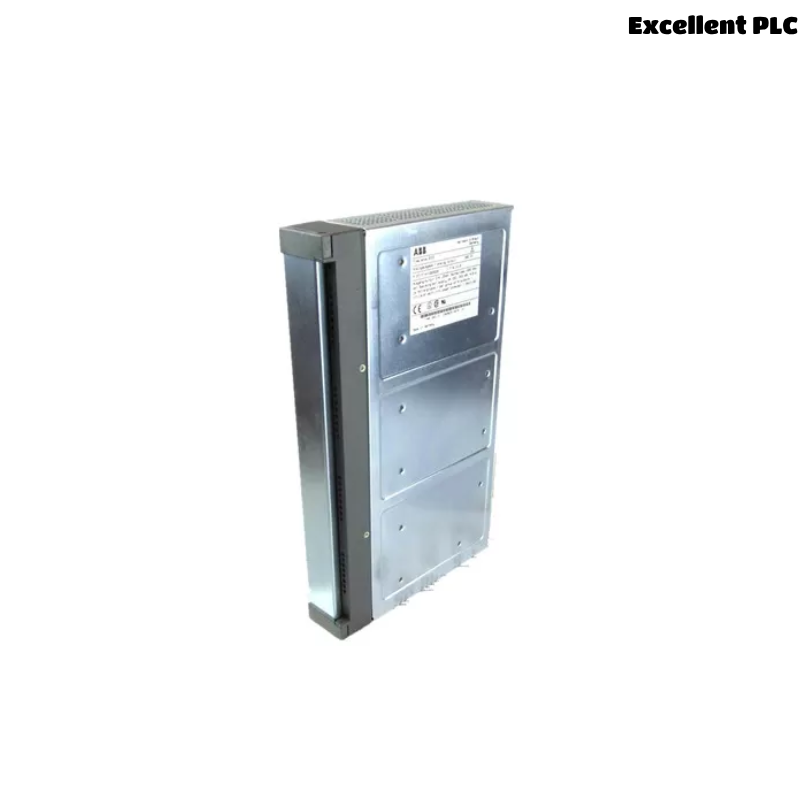
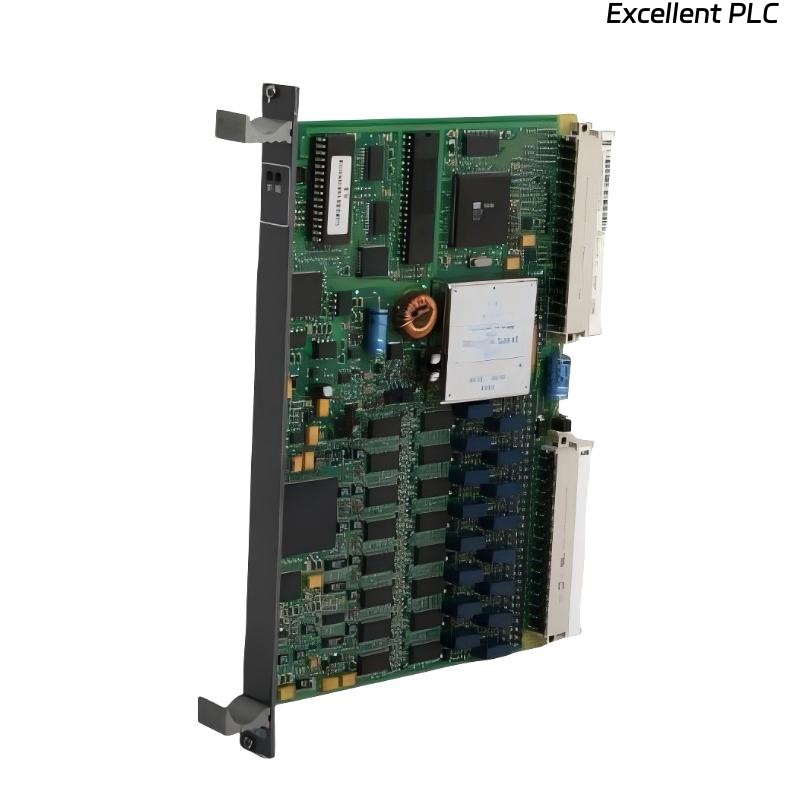
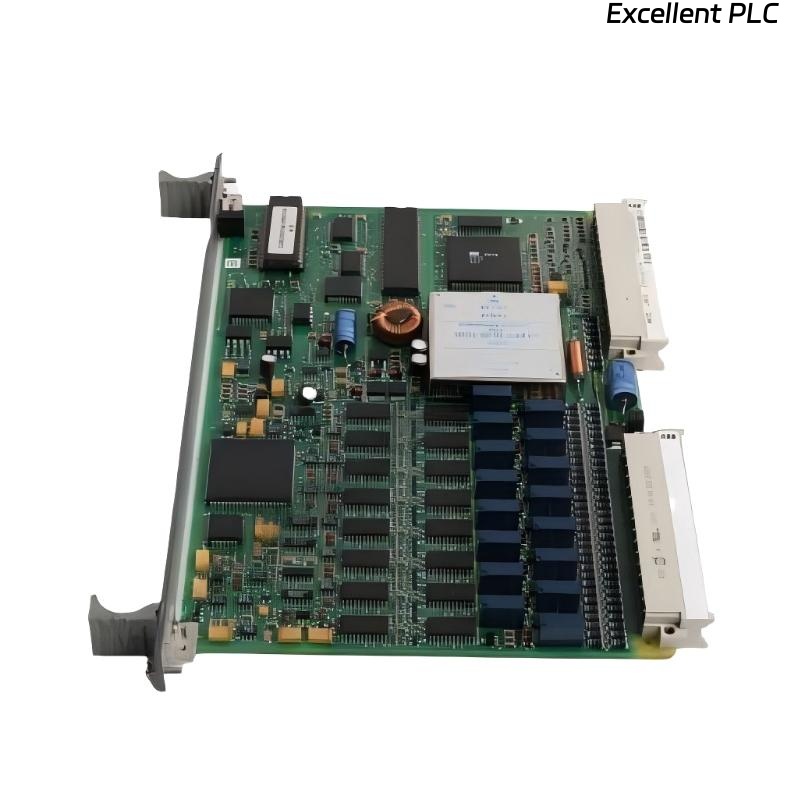
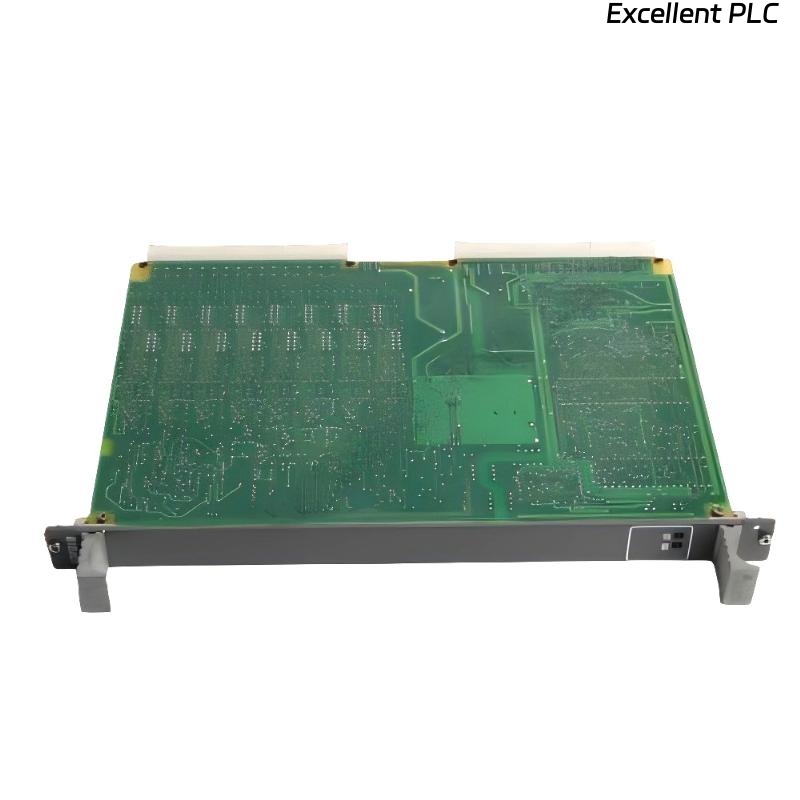
ABB 89IL07A-E GJR2394300R0100 Remote Bus Coupling Module
- Product Details
- FAQs
- Related
- Contact Us
- Packing & Delivery
- Product Ratings
Product Introduction
The ABB 89IL07A-E GJR2394300R0100 Remote Bus Coupling Module is a high-performance industrial communication interface designed to connect remote I/O stations to central control systems. It provides a stable and deterministic link between distributed devices and the main system bus, ensuring reliable data exchange across complex automation architectures.
This module is intended for applications where control and monitoring equipment are physically distributed or need logical separation. It allows remote segments to integrate seamlessly with central controllers, supporting modular system design, operational scalability, and maintenance efficiency.
Engineered for industrial environments, the 89IL07A-E emphasizes communication integrity, electrical robustness, and long-term operational stability. It ensures that distributed control networks maintain predictable performance even in electrically noisy conditions.
Product Specifications
| Parameter | Description |
|---|---|
| Product Type | Remote Bus Coupling Module |
| Model | ABB 89IL07A-E GJR2394300R0100 |
| Primary Function | Coupling remote stations to the system bus |
| Communication Role | Data transfer between remote I/O and control system |
| Bus Interface | Dedicated industrial system bus connection |
| Data Transmission | Deterministic cyclic communication |
| Electrical Isolation | Isolation between bus and internal electronics |
| Mounting Method | Panel or control cabinet mounting |
| Operating Environment | Industrial automation and control environments |
| Dimensions | 200 × 120 × 75 mm |
| Weight | 1.2 kg |
Applications
• Distributed Control Systems (DCS)
Connects remote I/O stations to central controllers for reliable and structured communication.
• Electrical Substations
Links distributed protection and monitoring units with the main control system.
• Process Automation Plants
Supports communication between field-level devices and control rooms in industrial processes.
• Power Generation Facilities
Integrates auxiliary systems, remote monitoring, and control units in power plants.
• Industrial Automation Networks
Enables modular design and expansion of control and I/O systems.
• System Retrofit and Expansion Projects
Allows easy integration of additional remote stations into existing systems.
Advantages
• Stable and Deterministic Communication
Maintains predictable data exchange between remote and central devices.
• Supports Distributed Architectures
Facilitates flexible system layouts with physically separated components.
• Scalable System Integration
Allows additional remote segments to be added without redesigning the central system.
• Electrical Robustness
Reliable operation in electrically noisy industrial environments.
• Clear System Structuring
Simplifies architecture readability, maintenance, and troubleshooting.
• Seamless ABB Integration
Fully compatible with ABB automation and control systems.
FAQ
1. What is the main function of the 89IL07A-E module?
It couples remote I/O stations to the central system bus for stable communication.
2. Is it suitable for distributed control systems?
Yes, it is designed for integration of remote stations in distributed architectures.
3. Does it provide deterministic data transmission?
Yes, it ensures predictable cyclic communication between remote and central devices.
4. Is electrical isolation provided?
Yes, isolation between the bus and module electronics enhances stability and reliability.
5. Can it be used in substation automation?
Yes, it is commonly applied in substation monitoring and control networks.
6. Does it support system expansion?
Yes, it allows additional remote modules to be added without modifying the central system.
7. Is it suitable for industrial automation environments?
Yes, it operates reliably under typical industrial electrical conditions.
8. How does it improve system reliability?
By providing stable communication links and isolating electrical disturbances.
9. Can it be used in retrofit projects?
Yes, it integrates easily into existing control systems for upgrades.
10. What role does it play in modular system design?
It enables structured integration of distributed segments, supporting scalability and maintenance efficiency.
Related Models
| Model | Product Type | Typical Application |
|---|---|---|
| ABB 89IL03 | Bus Interface Module | Remote station communication |
| ABB 89IL04 | Bus Coupling Module | Distributed control systems |
| ABB 89IL05B | Remote Bus Module | Extended remote communication |
| ABB 88IL01 | Communication Interface | Industrial bus connection |
| ABB 88IL11 | Bus Adapter Module | System bus integration |
| ABB 90IL02 | Network Interface Module | Automation communication |
Popular Models
| Model | Product Type | Typical Application |
|---|---|---|
| ABB 07KT98 | Controller Module | Central automation control |
| ABB 07AC91 | I/O Module | Distributed I/O systems |
| ABB 07KT97 | Control Module | Process automation |
| ABB CI Series | Communication Interfaces | Industrial networking |
| ABB CR-M Series | Control Relay | Auxiliary control circuits |
| ABB CM Series | Monitoring Modules | System supervision |

| Company Information | ||||||||
| [email protected] | ||||||||
| Mobile | +8613666033393 | |||||||
| +8613666033393 | ||||||||
| 13666033393 | ||||||||
| Add | Room 1004, No. 62 Xiangxiu Li, Siming District, Xiamen City, Fujian Province, China | |||||||
Excellent PLC Co., Ltd. has a large number of brand new and original PLC and DCS spare parts, with more than 60 cooperative countries. All products are guaranteed for 1 year and delivered to you by high-quality express. We are committed to using the best products and the most favorable prices to meet the needs and friendship of our customers. We have won the trust of thousands of customers, including these excellent customers.
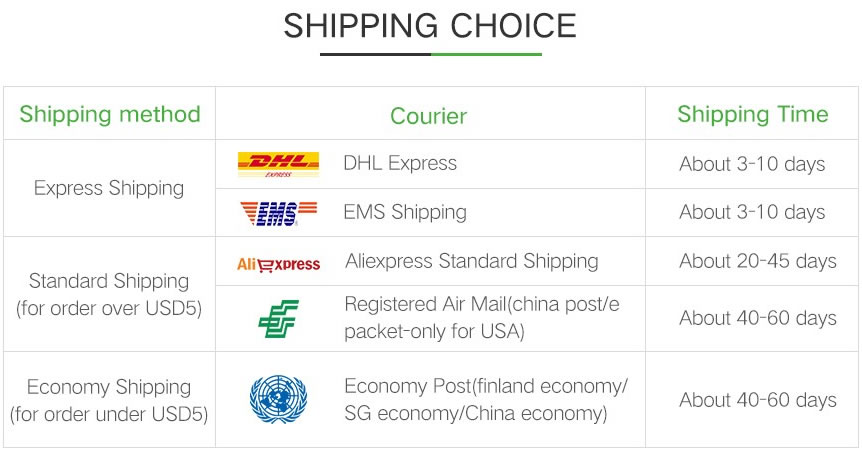
As for the delivery time, when we receive your order requirements, we will arrange for warehouse personnel to test and verify the products. After you place the order, we will send it to you within 24 hours.
Click to rate this post!
[Total: 0 Average: 0]