 Excellent PLC


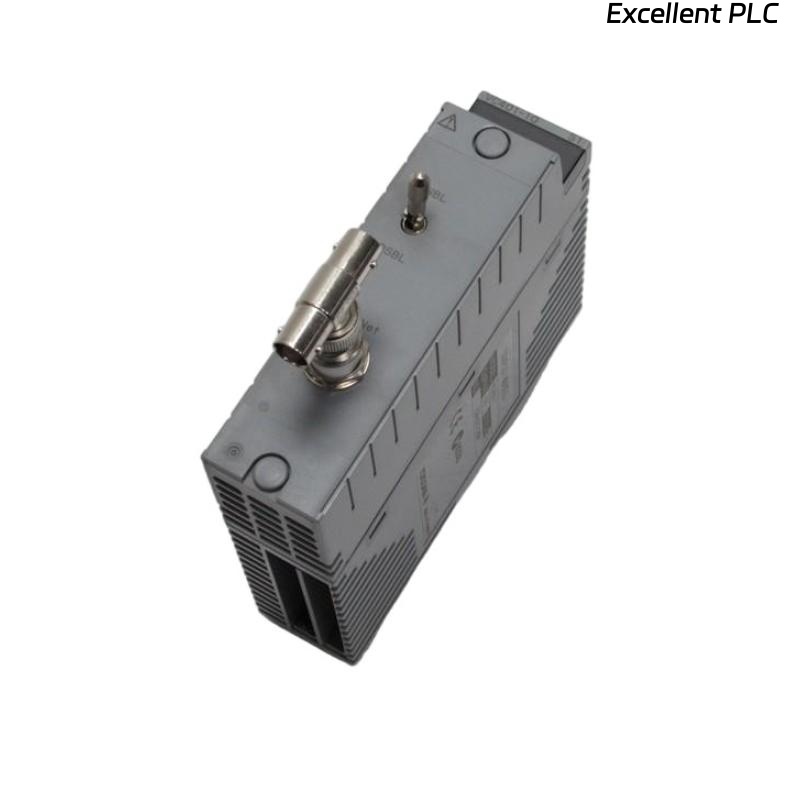
Water-related incidents are among the most destructive and misunderstood failure causes in industrial control systems. For the Yokogawa VC401-10 Coupler Module, damage caused by flooding, condensation, or accidental liquid exposure often leads to delayed and misleading symptoms.
This article focuses exclusively on water ingress damage, how it occurs, how to assess recoverability, and the correct replacement strategy.
1. Real-World Sources of Water Ingress
VC401-10 modules are rarely damaged by water intentionally. Common real-site sources include:
-
Flooding of control rooms or cabinets
-
Condensation due to temperature cycling
-
Leaking air-conditioning units
-
Firefighting water or foam residue
-
Improper cabinet sealing
Water damage is often progressive, not immediate.
2. Typical Symptoms of Water-Damaged VC401-10 Modules
Unlike electrical faults, water damage may appear days or weeks after exposure.
Common symptoms include:
-
Random communication dropouts
-
Station goes offline after warm-up
-
Increased communication retries
-
Visible corrosion on connectors
Temporary recovery after drying is common—but misleading.
3. Why Condensation Is More Dangerous Than Flooding
Flooding damage is usually obvious. Condensation is not.
Condensation Risk Factors
-
High humidity environments
-
Rapid temperature changes
-
Cabinets without heaters or dehumidifiers
Condensation causes slow corrosion, which is harder to detect and reverse.
4. Can a Water-Damaged VC401-10 Be Repaired?
Engineering Reality: Repair Is Not Reliable
Even if the module appears to recover:
-
Corrosion continues internally
-
Connector plating integrity is compromised
-
PCB insulation resistance may be reduced
Cleaning may restore short-term function but does not stop degradation.
5. Immediate Actions After Water Exposure
When water ingress is suspected:
Key rules:
-
Do NOT reapply power to wet modules
-
Do NOT rely on visual dryness alone
-
Do NOT return the module to service without inspection
6. Correct Replacement Procedure After Water Damage
Water damage requires a system-level inspection, not just module replacement.
If corrosion is present on the backplane, replacing only the coupler is insufficient.
7. Post-Replacement Monitoring
After replacement:
-
Monitor communication stability for several days
-
Watch for recurring errors under humidity changes
-
Inspect cabinet climate control
Residual moisture often causes secondary failures.
8. Prevention: Designing Against Water Damage
Best practices include:
-
Sealed control cabinets (IP-rated)
-
Cabinet heaters for condensation control
-
Humidity monitoring sensors
-
Proper cable entry sealing
Prevention is significantly cheaper than recovery.
Conclusion
Water ingress—whether from flooding or condensation—is a silent but destructive threat to the Yokogawa VC401-10 Coupler Module. While short-term recovery may appear possible, water-damaged modules should be replaced, not reused. Effective recovery requires addressing both the damaged hardware and the environmental root cause.
Moisture damage is rarely sudden—but it is always progressive.