 Excellent PLC


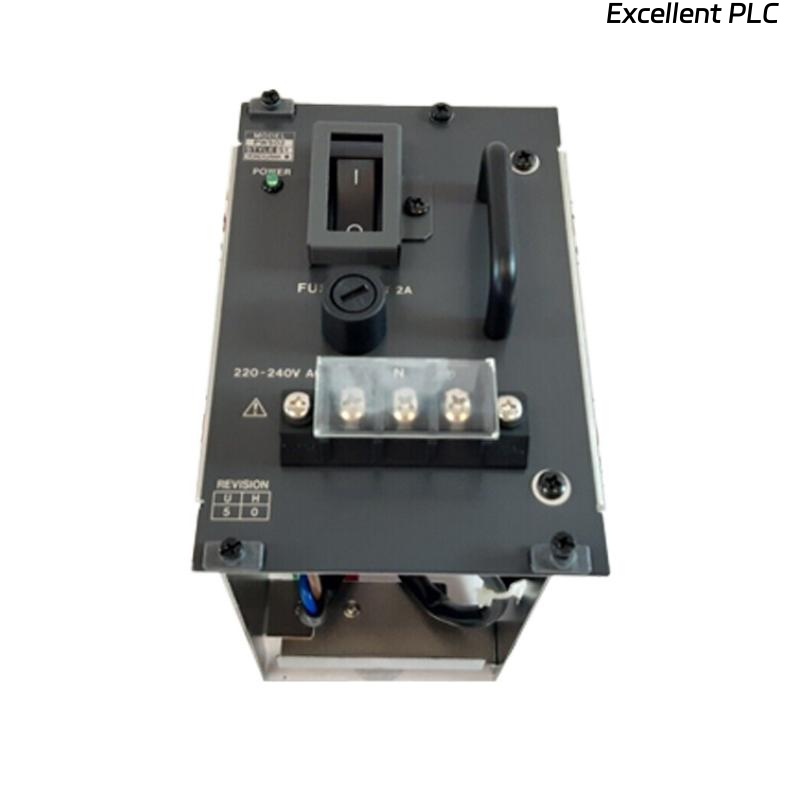
The Yokogawa PW502 is a critical DC power supply module widely used in industrial control systems. It powers I/O modules, communication cards, and ensures stable system operation. While highly reliable, the PW502 is vulnerable to water ingress, which can occur during floods, condensation, or accidental liquid exposure.
This article provides a comprehensive guide for engineers, covering real-world failure scenarios, repair feasibility, module replacement procedures, and preventive strategies.
1. Real-World Water Damage Scenarios
1.1 Flooding in Low-Lying Control Rooms
In many industrial facilities, PW502 modules are installed in cabinets at floor level. Flooding from rainwater, plumbing leaks, or sump failures can submerge the cabinet partially.
Engineering Observation:
-
Even brief submersion can short-circuit internal components
-
Water can migrate to adjacent modules, causing chain failures
-
Modules may appear functional immediately after drying but fail unpredictably
1.2 Condensation and Temperature Cycling
Rapid temperature changes can cause condensation inside sealed cabinets, especially in humid environments.
-
Moisture accumulates on connectors and PCBs
-
Slow corrosion develops, leading to intermittent communication errors
Engineering Case Study:
A plant in Southeast Asia reported that after two months of high humidity and daily temperature swings, three PW502 modules failed sequentially, despite appearing fine initially.
2. Mechanism of Damage
Water interacts with the PW502 at multiple levels:
-
Electrical Short Circuits
-
Conductive paths between DC traces
-
Trigger overcurrent protection or permanent damage
-
-
Corrosion of Connectors and Backplane Contacts
-
Copper and tin plating degrade
-
Increases contact resistance → intermittent faults
-
-
PCB Insulation Breakdown
-
Moisture reduces dielectric strength
-
May cause delayed arcing under load
-
-
Chemical Reactions with Residual Contaminants
-
Dust + water → conductive residue
-
Accelerates module degradation
-
3. Can Water-Damaged PW502 Be Repaired?
From a field engineering perspective:
-
Short-term cleaning may temporarily restore function
-
Long-term reliability is highly questionable
-
Internal corrosion may progress silently, causing future failures
Recommendation: Replace the module rather than attempt repair. Temporary operation is unsafe for production-critical systems.
4. Step-by-Step Module Replacement
4.1 Safety Precautions
-
Ensure system power is off
-
Wear insulating gloves and protective gear
-
Verify that adjacent modules are powered down
4.2 Module Removal
-
Carefully detach connectors
-
Avoid contaminating adjacent modules
4.3 Backplane Inspection
-
Look for corrosion, residue, or discoloration
-
Clean with isopropyl alcohol and lint-free cloth if minor residue
-
Replace connectors if plating is compromised
4.4 Installation of New PW502
-
Confirm LED status and communication with connected I/O modules
-
Observe module under normal load for at least 24–48 hours
4.5 Adjacent Modules Check
-
Modules nearby should be inspected for water exposure
-
Replace any showing signs of corrosion or intermittent faults
5. Post-Replacement Monitoring
-
Use data logging to monitor voltage stability and load
-
Check retry counters and offline alarms
-
Observe temperature and cabinet humidity
6. Preventive Measures
-
Cabinet Design
-
Use IP54/IP65 rated enclosures
-
Position modules above floor level
-
-
Humidity and Temperature Control
-
Install heaters or dehumidifiers
-
Use humidity sensors with alarms
-
-
Cable and Entry Sealing
-
Seal cable glands and openings
-
Ensure no water ingress paths
-
-
Routine Inspection
-
Check for condensation after temperature changes
-
Inspect connectors and backplane for early corrosion
-
7. Engineering Tips
-
Even minor condensation can cause long-term degradation
-
Drying the module does not guarantee safety
-
Replace the module immediately if water exposure is confirmed
-
Consider redundant power supplies in high-risk areas
Conclusion
Water damage is a progressive and silent threat to the Yokogawa PW502 module. While modules may appear functional after drying, internal corrosion and insulation degradation make repair unreliable.
Best practice:
-
Immediate replacement of affected modules
-
Thorough inspection of backplane and neighboring modules
-
Preventive measures to eliminate future water exposure
With proper handling, monitoring, and environmental control, PW502 modules can provide reliable, long-term operation even in challenging conditions.