 Excellent PLC


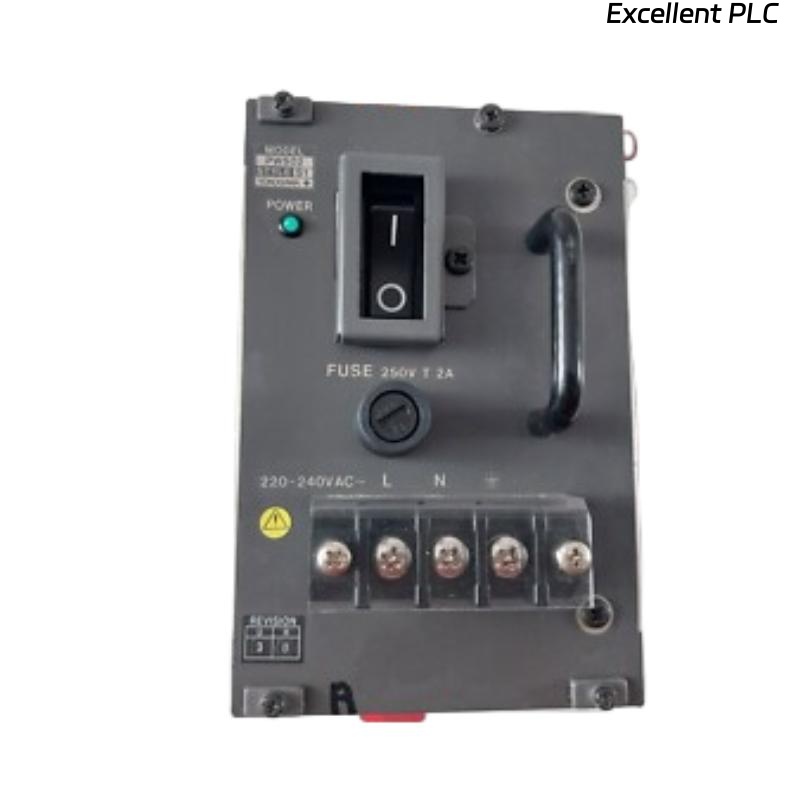
The Yokogawa PW502 is a critical power supply module in industrial control systems. While designed for industrial reliability, exposure to fire, high ambient temperatures, or smoke can seriously compromise the module’s integrity. Fire-related incidents are often underestimated because damage can occur without direct contact with flames.
This article provides a comprehensive analysis of fire-induced failures, repair feasibility, replacement procedures, and preventive measures.
1. How PW502 Gets Damaged by Fire
Fire damage is not always obvious. Common real-world scenarios include:
-
Fire in adjacent areas of control rooms or industrial plants
-
Smoke or soot ingress into cabinets
-
High radiant heat exposure from nearby equipment or chemical reactions
-
Firefighting water or foam combined with heat
Engineering insight:
-
Plastic connectors and housings can deform at temperatures above 60–70°C
-
Internal solder joints may weaken or crack
-
PCB insulation may lose dielectric strength, causing delayed arcing
2. Typical Symptoms After Fire or Heat Exposure
Fire-related damage may appear days or weeks later:
-
Module powers on but fails to maintain output
-
Intermittent communication errors with connected I/O modules
-
Alarm LEDs or system error flags activate unpredictably
-
Discoloration of connectors, PCB, or module casing
Even if the module seems functional immediately after a fire, long-term reliability is compromised.
3. Can Fire-Damaged PW502 Be Repaired?
From a field engineering perspective:
-
Short-term cleaning may restore temporary function
-
Structural and thermal damage is irreversible
-
Internal PCB insulation, solder joints, and connector integrity cannot be reliably restored
Conclusion: Fire-damaged PW502 modules should always be replaced, not repaired. Temporary operation is unsafe for critical systems.
4. Module Replacement Procedure
4.1 Safety Precautions
-
Ensure system power is completely off
-
Wear insulating gloves and protective equipment
-
Confirm surrounding modules are safe to handle
4.2 Removing the Damaged Module
-
Detach connectors carefully
-
Avoid damaging adjacent modules or backplane
4.3 Inspect Backplane and Adjacent Components
-
Look for heat discoloration or deformation
-
Check connectors for melting, residue, or oxidation
-
Replace any backplane connectors if plating or contact integrity is compromised
4.4 Installing a New PW502
-
Confirm system output and module LED status
-
Monitor for 24–48 hours under normal load
Note: If fire exposure affected multiple modules, inspect and replace as necessary.
5. Post-Replacement Monitoring
-
Check voltage stability under varying loads
-
Monitor for intermittent errors or alarms
-
Verify temperature of module and surrounding environment
6. Preventive Measures
-
Cabinet protection
-
Use fire-resistant enclosures or shields
-
Maintain a safe distance from heat sources
-
-
Smoke and heat monitoring
-
Install smoke sensors inside cabinets
-
Add temperature alarms for early warning
-
-
Regular inspection
-
Check for discoloration or deformation after any fire or high-heat incident
-
Inspect connectors and PCB integrity
-
7. Engineering Tips
-
Fire damage is often silent initially but can cause catastrophic failures later
-
Never attempt to reuse modules exposed to heat or smoke
-
Redundant power supply configurations help maintain uptime during emergencies
-
Document all incidents for future risk assessment
Conclusion
Fire and heat exposure poses a serious risk to the Yokogawa PW502 module. Even without direct flames, smoke and radiant heat can compromise PCB insulation, connectors, and solder joints. Replacement is the only safe solution, accompanied by thorough inspection of backplane and adjacent modules. Implementing prevention, monitoring, and redundancy strategies is key to protecting critical power modules in industrial environments.