 Excellent PLC


1. Overview of the Incident
-
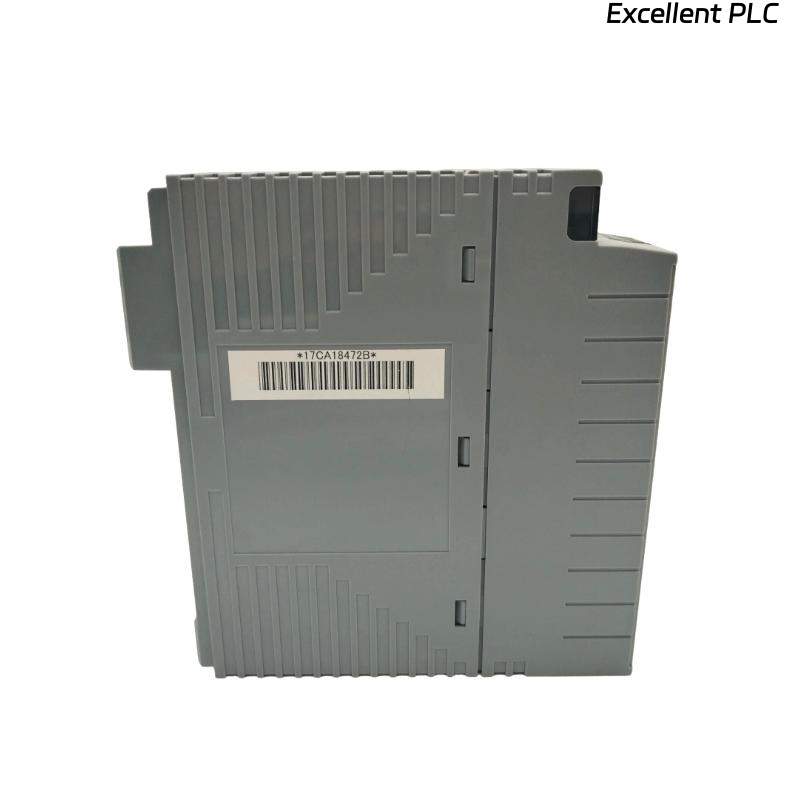
Module: Yokogawa EB402 Bus Interface Module
-
System Type: DCS Remote I/O
-
Incident Type: Human Error (Unauthorized Hot-Swap)
-
Date: 2025-04-11
-
Location: Packaging Line #3 Control Room
-
Result: Module permanently damaged, bus segment shutdown
This event illustrates how attempting to replace the EB402 while the backplane was energized caused immediate hardware failure and loss of communication across an entire I/O segment.
2. Timeline of Events
| Time | Event |
|---|---|
| 10:21:17 | Technician identifies intermittent I/O timeout |
| 10:22:03 | EB402 removed without isolating power |
| 10:22:04 | Audible snap + small arc from connector |
| 10:22:05 | Entire segment goes offline |
| 10:27:56 | Supervisory alarms escalate to plant SCADA |
| 10:43:12 | Power isolation finally performed |
Total bus outage duration: 21 minutes 09 seconds
3. Technical Mechanism of Failure
The EB402 is not designed for live hot-swapping, as its backplane connector carries:
-
5 V digital logic
-
24 V field supply
-
Clock & bus synchronization signals
During the removal, the connector pins made “make-before-break” contact, producing:
-
Transient arcs
-
Reverse current paths
-
Ground bounce
-
ESD-like discharge on logic side
Damage locations identified post-incident:
| Component | Status |
|---|---|
| Bus transceiver IC | Shorted (0.8 Ω to GND) |
| Isolation barrier | Punctured |
| EEPROM | No-response |
| Backplane pad | Minor burn mark |
Transceiver IC failure was permanent — the module never initialized again.
4. Diagnostic Verification
After module removal, a simple diagnostic test script was run to poll EB402 via shelf controller:
Output from the test station:
Interpreted as hard failure of communication layer.
5. System Impact Assessment
Direct operational consequences:
-
I/O Segment L3 offline
-
48 digital input channels lost
-
16 analog output channels frozen
-
Packaging conveyors stopped
-
Auto-sorting logic suspended
Production line downtime: 21 minutes, estimated output loss: ~740 units
6. Root Cause Analysis (RCA)
✔ Human factors were primary:
-
Technician not DCS-certified
-
No hot-swapping procedures posted
-
No interlock preventing removal while energized
✔ Technical vulnerabilities:
-
EB402 lacks hot-swap rated connectors
-
No arc suppression on the mating pins
-
Logic ground not sequenced
Root cause classification: HF-ES (Human Failure – Electrical Safety)
7. Correct Replacement Procedure
To safely replace an EB402:
-
Isolate 24V field supply
-
Isolate 5V backplane logic
-
Verify bus voltage = 0V
-
Remove EB402
-
Inspect backplane connector
-
Install new module
-
Re-energize backplane
-
Verify bus communication
Verification script example:
8. Preventive Actions Implemented
After the incident, the plant deployed:
Administrative Controls
-
DCS technician certification requirement
-
Work instructions posted at all cabinets
-
“No hot-swap” labels on Yokogawa racks
-
Mandatory LOTO (Lock-Out/Tag-Out) checklist
Engineering Controls
-
Added keyed interlock on cabinet power
-
Installed bus voltage status indicator LEDs
-
Added low-cost arc suppressing snubbers
9. Conclusion
This event highlights that:
The Yokogawa EB402 is not hot-swappable, and forced live removal will permanently damage it.
The failure was entirely preventable and caused significant downtime. Correct handling procedures and minimal engineering modifications eliminated recurrence risk.