 Excellent PLC


1. Background
-
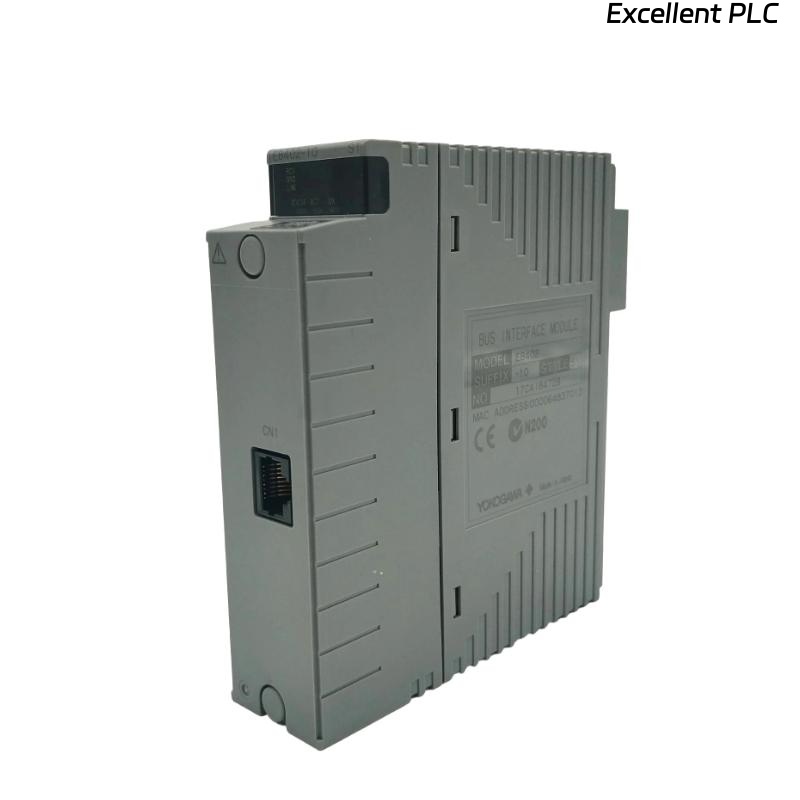
Device: Yokogawa EB402 Bus Interface Module
-
System: DCS I/O Shelf, continuous operation
-
Location: Control cabinet row 5D, petrochemical plant
-
Environment: High ambient temperature (35–42°C), low airflow
-
Operational Duty: 24/7 for 6 years
Long-term exposure to elevated temperatures accelerates capacitor and IC degradation, especially for backplane transceivers and microcontrollers in EB402 modules.
2. Observed Symptoms
| Time in Service | Observed Effect |
|---|---|
| 5 years | Occasional bus retries (~1–2/hr) |
| 5.5 years | LED flicker on power-up, transient timeouts |
| 6 years | Module fails to initialize after power cycle, CRC errors >10,000 |
Temperature logging showed the following inside cabinet:
| Time | Ambient Temp | PCB Top Layer Temp |
|---|---|---|
| 00:00 | 38°C | 42°C |
| 12:00 | 40°C | 45°C |
| 18:00 | 41°C | 47°C |
| 24:00 | 39°C | 43°C |
3. Physical Inspection
-
Electrolytic capacitors: Slight bulging (~0.5 mm)
-
Resistors: No burn, slight discoloration
-
Connector pins: Clean, minimal oxidation
-
PCB: No cracks, minor solder joint dulling
The main failure mechanism is thermal degradation of polymer electrolytes in capacitors and microcontroller IC aging.
4. Electrical Measurements
| Parameter | Spec | Measured |
|---|---|---|
| Vcc Ripple | <50 mV | 112 mV |
| Bus Signal Integrity | ±5% | ±12% |
| Insulation Resistance | >100 MΩ | 88 MΩ |
The elevated Vcc ripple correlates with aging capacitors and decreased ESR (Equivalent Series Resistance).
5. Thermal Aging Simulation
To estimate remaining life, a simplified Arrhenius-based model was used:
Result: Acceleration factor ~ 2.7×, meaning the module aged 2.7 times faster than nominal room temperature conditions.
6. Corrective Action
-
Replace EB402 module with a new unit
-
Inspect adjacent I/O modules for thermal stress signs
-
Install cabinet cooling fan with ~100 CFM airflow
-
Add temperature logging sensors inside cabinet
-
Schedule predictive maintenance for modules operating above 40°C
7. Recommendations for Long-Term Reliability
✔ Avoid 24/7 operation above 40°C ambient without forced airflow
✔ Use modules with high-temperature rated electrolytic capacitors for extreme conditions
✔ Monitor Vcc ripple and bus retry rates as early indicators
✔ Consider thermal imaging inspections annually
8. Conclusion
The EB402 module failure was not sudden, but resulted from gradual thermal stress and electronic aging in a poorly ventilated cabinet. Replacement and airflow improvements restored normal operation, and predictive monitoring can prevent recurrence. Thermal aging should always be considered for modules running continuously in hot industrial environments.