 Excellent PLC


1. Overview
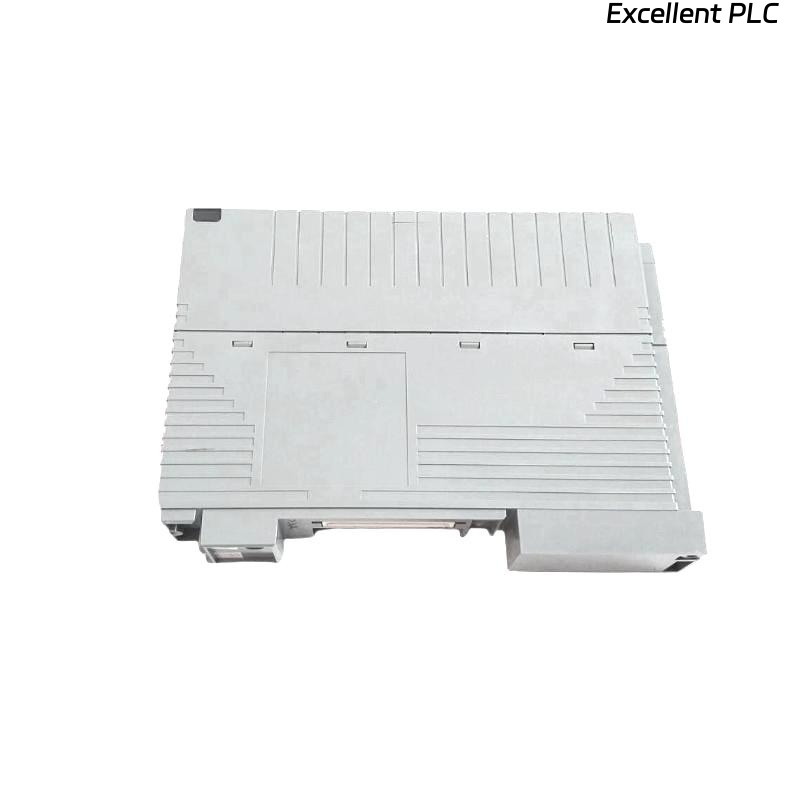
In distributed control systems (DCS), processor modules rarely fail in isolation. More commonly, a malfunction in field instrumentation or external equipment propagates upstream and causes control loss at the CP471 module level. This article analyzes a real-world scenario in which external device degradation rendered the CP471 unable to maintain proper control over a critical process loop.
2. System Architecture Background
-
Primary Controller: Yokogawa CP471 Processor Module
-
Control Domain: Steam pressure regulation loop
-
Field Devices:
-
Smart pressure transmitter (HART)
-
Pneumatic control valve with positioner
-
-
Communication Interface: Remote I/O node over Vnet/IP
-
Safety Level: SIL-2 compliant interlock chain
This configuration is common in refineries and boiler control systems.
3. Incident Description
Operators reported unstable steam pressure and loss of actuator response. HMI alarms displayed:
Meanwhile, the CP471 processor itself remained operational, showing no hardware faults or system-level watchdog triggers.
4. Root Cause Analysis
Investigation revealed the failure originated from external field equipment, not the controller. The key findings:
A. Positioner Power Supply Degradation
The valve positioner was powered by a 24VDC supply shared with two other valves. Voltage measurements revealed:
| Parameter | Expected | Measured |
|---|---|---|
| Voltage | 24 VDC | 18.6 VDC |
| Ripple | < 50 mV | 240 mV |
| Load Current | 50 mA | 110 mA |
Undervoltage caused the valve to oscillate erratically, resulting in unpredictable loop output.
B. Transmitter Signal Quality Loss
HART diagnostics showed intermittent signal loss:
The CP471 interpreted this as invalid data and switched loop mode from AUTO → MANUAL for safety.
C. Safety Interlock Activation
SIL-2 logic activated a protective interlock:
This is a standard fail-safe pattern in boiler control.
5. Why the CP471 Was Not at Fault
Many technicians initially suspected the CP471 controller. However:
✔ CPU load was normal
✔ Scan time was stable
✔ Control tasks were executing
✔ No watchdog resets occurred
✔ Vnet/IP communication was healthy
The controller simply executed safety logic correctly in response to failing field inputs.
6. Troubleshooting Procedure
A structured diagnostic workflow was applied:
Step 1 — Validate Controller Health
-
Checked CPU status LEDs
-
Verified SCAN TIME consistency
-
Confirmed no diagnostic alarms from CP471
Result: Controller OK
Step 2 — Check Network and Remote I/O
-
Verified Vnet/IP packet integrity
-
Inspected remote I/O modules for faults
Result: Network OK
Step 3 — Assess Instrumentation Chain
-
Measured loop voltage/current
-
Read HART diagnostic codes
-
Checked air supply to valve positioner
Result: Instrumentation Fault Detected
Step 4 — Verify Interlock Logic Behavior
Logic confirmed expected behavior:
7. Resolution & Repair Actions
✔ Replaced degraded 24VDC power supply unit
✔ Recalibrated valve positioner stroke
✔ Cleaned pneumatic air filter (oil contamination detected)
✔ Re-seated transmitter signal wiring
✔ Updated HART device status in asset management system
After repairs, the loop returned to AUTO, with stable tracking and reduced oscillation.
8. Preventive Recommendations
To avoid similar failures:
(1) Implement Power Health Monitoring
Install DC power supervision relays with alarm thresholds.
(2) Use Device Condition Monitoring
Integrate HART or Fieldbus diagnostics with DCS alarms (e.g., via PRM/AMS tools).
(3) Enforce Maintenance Standards
-
Pneumatic air quality checks
-
Valve calibration intervals
-
Transmitter loop checks
(4) Validate SIL Interlocks Annually
Fault-to-safe transitions must be verified under real loads.
9. Key Takeaways
-
CP471 modules often “take the blame” for downstream failures.
-
External devices (instruments, actuators, power supplies) frequently cause loop instability.
-
Fail-safe logic and interlocks are working as intended—not faults.
-
Proper instrumentation diagnostics significantly reduces downtime.