 Excellent PLC


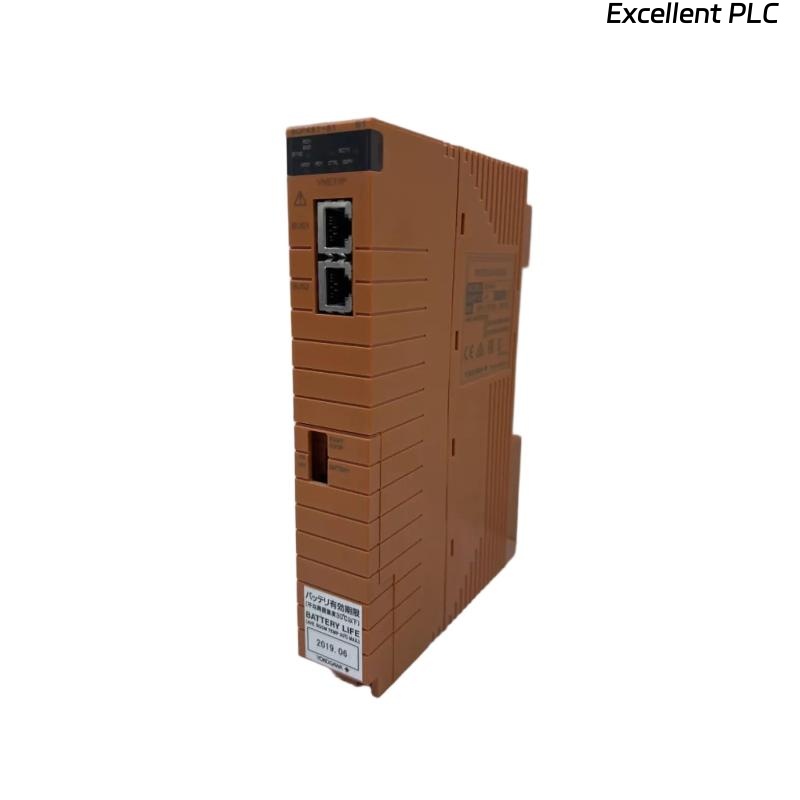
The Yokogawa CP451 CPU module relies on an internal backup battery to maintain critical configuration, program memory, and real-time clock during power interruptions. Battery failure or leakage can lead to loss of program data, abnormal module behavior, and unexpected resets. This article documents a real-world incident and provides preventive measures for plant engineers.
1. Operational Context
Plant Type: Petrochemical plant
Module: Yokogawa CP451 CPU
Environment: Control cabinet with temperature fluctuations (18–45°C)
Backup Battery: Rechargeable Lithium-ion module for program retention
The battery maintains:
-
Controller program memory (ST/FB blocks)
-
Real-time clock (RTC) for scheduled events
-
I/O status retention across power cycles
Failure of this battery directly impacts system reliability.
2. Observed Failure Symptoms
Operators and maintenance staff reported:
-
CPU entering unexpected cold restart mode after power cycling
-
Loss of previously stored PID setpoints
-
Historical alarm/event time stamps reset
-
Intermittent HMI freeze and Vnet/IP communication warnings
-
Event logs indicating memory checksum errors
Diagnostics displayed:
3. Root Cause Analysis
Investigation revealed:
A. Battery End-of-Life or Leakage
-
Measured voltage below manufacturer minimum threshold
-
Evidence of chemical leakage on battery terminals
-
Internal resistance of battery increased, preventing proper memory backup
B. Environmental Stress
-
High temperature cycles accelerated battery degradation
-
Moisture condensation in cabinet during cold start contributed to corrosion
C. Improper Maintenance
-
No battery replacement history in last 4 years (recommended interval: 2–3 years)
-
Absence of routine battery health checks
D. Effects on CP451 Operation
-
Program memory became volatile after power loss
-
CPU watchdog detected memory corruption and triggered reset
-
Vnet/IP communication degraded due to improper task initialization
4. Diagnostic Procedure
Field engineers performed the following:
-
Visual Inspection
-
Detected battery corrosion and leakage
-
Checked module PCB for residue or shorts
-
-
Voltage & Resistance Measurement
-
Battery voltage: 2.8V (below nominal 3.6V)
-
Internal resistance: doubled from specification
-
-
Module Self-Test
-
POST failures consistent with memory retention loss
-
Firmware validated, no software corruption
-
-
Historical Log Review
-
Noted repeated cold start events corresponding with power interruptions
-
5. Corrective Actions
Immediate Measures
-
Removed and replaced battery module with OEM-approved replacement
-
Cleaned and inspected battery compartment for corrosion
-
Restored saved program and configuration from engineering station backup
Long-Term Measures
-
Implemented battery replacement schedule (every 2–3 years)
-
Installed battery health monitoring via engineering station
-
Added humidity and temperature monitoring in CPU cabinet
6. Preventive Maintenance Guidelines
| Task | Recommended Interval |
|---|---|
| Battery voltage and resistance check | Annually |
| Visual inspection for leakage | Semi-annual |
| Firmware backup verification | Quarterly |
| Cabinet humidity and temperature audit | Quarterly |
| Program memory backup to engineering station | Weekly or after logic changes |
7. Key Lessons Learned
-
CP451 CPU modules are vulnerable to battery degradation, especially in harsh thermal or moisture environments.
-
Loss of battery retention can appear as CPU instability, watchdog resets, or unexpected system behavior.
-
Preventive maintenance, battery monitoring, and environmental control are critical for DCS reliability.
-
Always maintain recent backups of program logic and configuration to avoid production impact.
Conclusion
Battery failure in the Yokogawa CP451 CPU module can cause data loss, module resets, and system instability, which can be mistaken for hardware or network faults. By implementing regular battery inspection, replacement schedules, and environmental monitoring, plants can maintain high system availability and prevent unplanned downtime.