 Excellent PLC


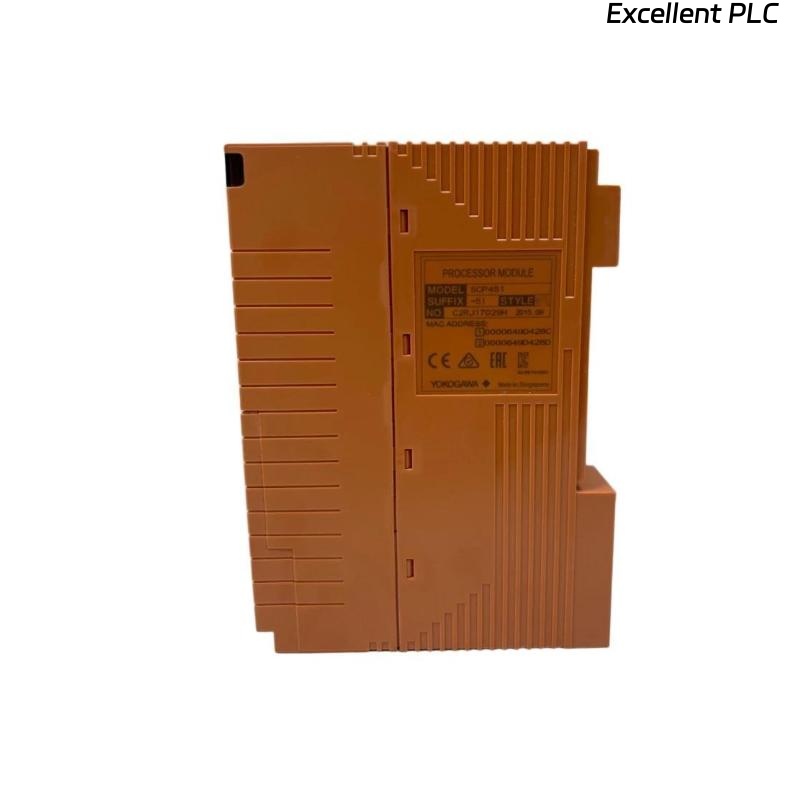
The Yokogawa CP451 CPU module is critical for CENTUM DCS operation. Field experience demonstrates that oxidation or corrosion of module interface connectors can lead to intermittent signal loss, Vnet/IP communication errors, and system resets. This case study examines a real-world incident and preventive strategies for plant engineers.
1. Background
Plant Type: Offshore chemical facility
Module: CP451 CPU
Environment: High humidity, salty air exposure, occasional condensation
Symptoms Reported:
-
Intermittent Vnet/IP communication failures
-
Input/output signals not updating reliably
-
CPU watchdog resets triggered by incomplete I/O scans
-
HMI displays showing inconsistent process values
2. Failure Mode
Interface corrosion usually manifests as:
-
Increased contact resistance at backplane connectors or I/O module pins
-
Intermittent disconnections between CPU and field I/O
-
Partial signal integrity loss without triggering hardware alarms
Even minimal oxidation can prevent proper electrical contact, causing the CPU to misinterpret input signals or fail output commands, leading to operational disruptions.
3. Field Symptoms and Diagnostics
Observed Symptoms
-
CPU periodically enters reset mode during high-humidity periods
-
HMI alarms indicate “I/O Timeout” or “Vnet/IP Packet Lost”
-
Certain actuators do not respond, despite valid commands from control logic
Diagnostic Process
-
Visual Inspection:
-
Removed CP451 CPU module
-
Observed greenish-brown oxidation on gold-plated pins and backplane connector
-
-
Electrical Testing:
-
Measured contact resistance using a micro-ohmmeter
-
Detected resistance spikes exceeding 50 mΩ at corroded interfaces
-
-
Functional Testing:
-
CPU reseated multiple times
-
Intermittent signal loss reproduced when module was lightly moved
-
-
Environmental Correlation:
-
Failures occurred during high-humidity events (>80% RH)
-
Salt-laden air accelerated corrosion in unsealed cabinets
-
4. Root Cause Analysis
-
High Humidity / Condensation: Moisture formed on connector surfaces during temperature fluctuations.
-
Saline or Chemical Contaminants: Offshore environment caused accelerated oxidation.
-
Lack of Protective Measures: Cabinet IP rating insufficient; no connector protectant applied.
-
Periodic Vibration: Mechanical vibration exacerbated micro-gaps at corroded contacts.
5. Corrective Actions
Hardware Remediation
-
Removed corrosion using isopropyl alcohol and lint-free swabs
-
Replaced severely damaged CPU connector with OEM-approved component
-
Applied contact-safe corrosion inhibitor to all pins
Environmental Mitigation
-
Replaced cabinet with IP55-rated enclosure
-
Installed dehumidifier and positive-pressure air system
-
Added anti-condensation heaters for cold-start periods
Operational Adjustments
-
Implemented periodic connector inspection and cleaning
-
Tracked humidity and temperature trends within CPU cabinets
-
Updated SOP to include handling of modules in corrosive environments
6. Preventive Maintenance Recommendations
| Task | Interval |
|---|---|
| Visual connector inspection | Semi-annual |
| Cleaning and corrosion protection | Annual |
| Cabinet humidity and condensation audit | Quarterly |
| Module reseating check | Annually |
| Vnet/IP signal integrity test | Quarterly |
7. Lessons Learned
-
Connector corrosion is a slow-developing but critical risk for CP451 modules.
-
Environmental controls (humidity, condensation, salt exposure) are essential in offshore or high-humidity facilities.
-
Preventive maintenance, proper cabinet sealing, and protective coatings significantly reduce the risk of signal loss and CPU resets.
Conclusion
Interface oxidation and corrosion in the Yokogawa CP451 CPU module can cause intermittent signal loss, communication errors, and unexpected system resets. By combining hardware remediation, environmental protection, and preventive maintenance, plant engineers can maintain DCS reliability and avoid costly downtime.