 Excellent PLC


Author: Sofia Ramirez – Field Instrumentation Specialist, Latin America Power Plants
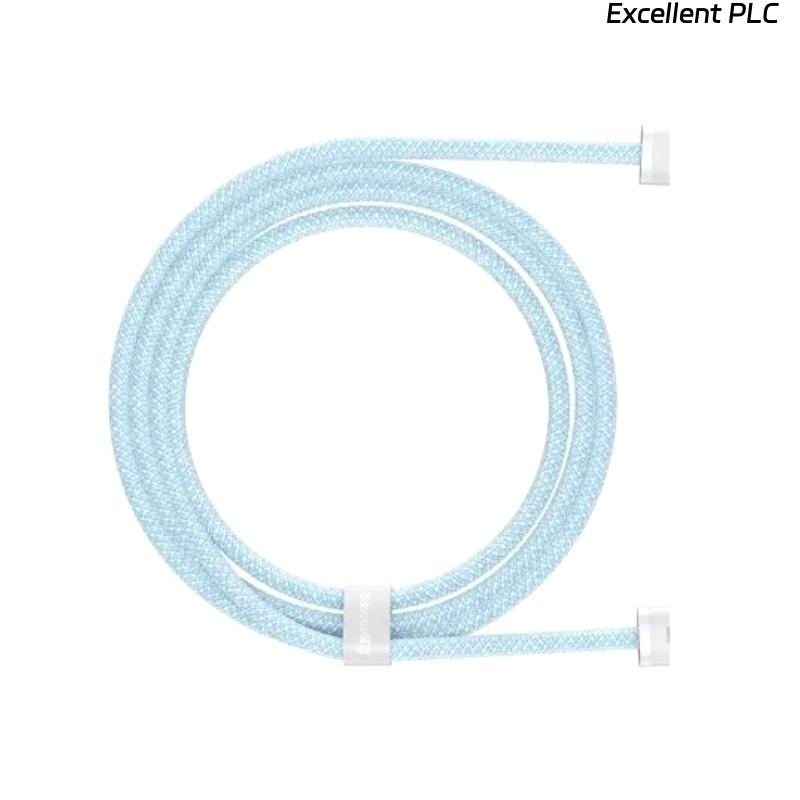
During a recent site visit to a hydroelectric facility, we experienced intermittent signal loss on a Bently Nevada 131170-01 dynamic data transmission cable. This cable is critical for connecting proximity probes and accelerometers to the 3500 vibration monitoring system. When it started showing sporadic dropouts, alarm rates increased and operators were concerned about potential turbine trips.
Here’s a detailed look at what happened and how we handled it.
Field Symptoms
-
Random spikes in vibration readings, followed by “no signal” alarms
-
System showed correct values immediately after reconnection
-
Cable continuity tests showed occasional open readings under slight bending
-
Problem only occurred on one specific probe cable; neighboring cables were fine
Environmental Context
-
Cable routed inside turbine hall, near high-power busbars and cooling fans
-
Exposed to moderate vibration and occasional condensation from HVAC system
-
Cable bends during maintenance and inspection frequent
Root Cause Analysis
After inspection, the primary contributors were identified:
-
Mechanical Stress and Flexing
-
Repeated bending near entry points caused micro-fractures in internal conductors.
-
-
Connector Oxidation
-
Moisture penetration into the BNC-style connector introduced intermittent contact resistance.
-
-
Electromagnetic Interference (EMI)
-
Adjacent high-current conductors induced small voltage spikes, causing temporary signal dropout.
-
-
Aging Insulation
-
The polymer jacket showed minor surface cracking in high-vibration zones, reducing shielding effectiveness.
-
Corrective Actions
-
Cable Replacement: Installed a new 131170-01 with proper routing, avoiding tight bends.
-
Connector Cleaning and Sealing: Applied dielectric grease to prevent oxidation and moisture ingress.
-
EMI Mitigation: Added shielded conduit and ensured cable runs away from high-current lines.
-
Strain Relief Installation: Prevented sharp bends near connection points.
After these interventions, signal dropouts were eliminated during a 7-day monitoring period under full turbine load.
Lessons Learned
-
Dynamic cables are sensitive to mechanical stress. Even minor flexing over time can cause intermittent faults.
-
Connector maintenance is critical. Moisture or oxidation may mimic cable failure.
-
EMI exposure should always be evaluated. Proximity to high-power lines can introduce subtle data errors.
-
Regular inspection pays off. Visual checks for surface cracks or jacket degradation can prevent unexpected system alarms.
Dynamic data cables like the 131170-01 are robust, but their reliability depends on careful installation, environmental protection, and preventive maintenance. Neglecting these factors can lead to intermittent signal failures that are hard to troubleshoot remotely.
— Sofia