 Excellent PLC


Author: Liam Carter – Electrical Engineer, Industrial Instrumentation Blogger
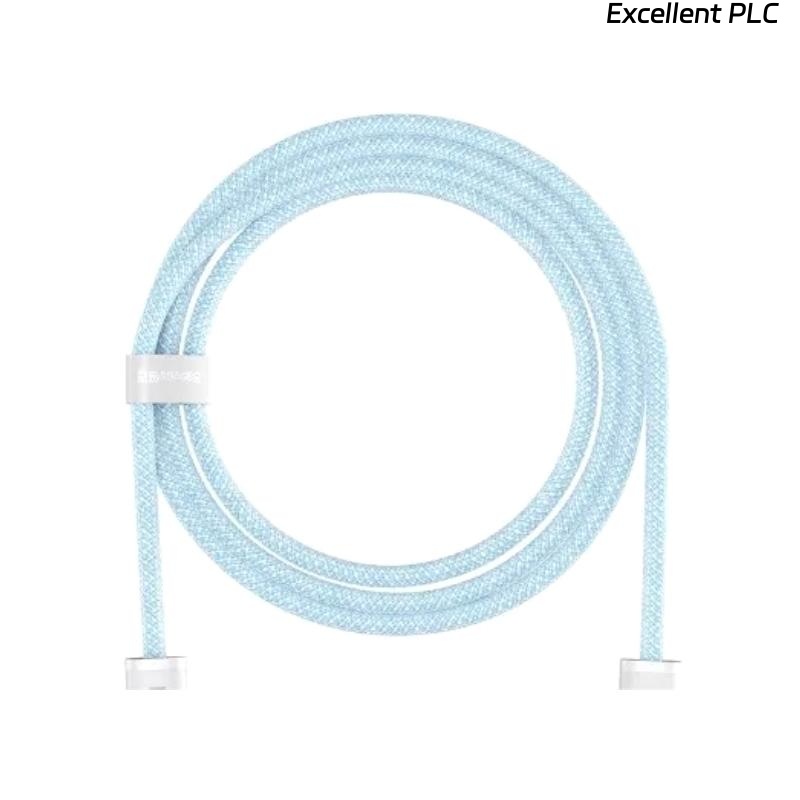
Last week I was at a medium-sized thermal power station, checking on vibration monitoring systems, when a Bently Nevada 131170-01 dynamic data cable started acting up. The readings from a key accelerometer were jumping all over the place—sometimes normal, sometimes spiking like crazy. Operators were ready to panic.
Here’s the story.
What I Observed
-
High-frequency noise on the vibration signal
-
Random spikes coinciding with nearby motor startup
-
Cable looked intact from the outside—no cuts, no obvious damage
-
Issue appeared more frequently when the cable moved slightly during routine checks
At first glance, it looked like a probe failure or a 3500 module issue. But the pattern didn’t match anything internal.
Investigation
I decided to follow a systematic approach:
-
Visual Inspection: Minor abrasion on the cable jacket near a bend point, but nothing catastrophic.
-
Continuity Test: Passed.
-
Shield Integrity Check: Using a handheld ohmmeter, the shield showed inconsistent continuity under bending stress.
-
Test in Lab: Removed cable from plant, connected to a controlled signal generator—the noise disappeared completely.
This confirmed the problem: the cable’s shield was compromised, and nearby AC lines induced voltage spikes.
Root Cause
-
Repeated bending over time damaged the braided shield at a single point.
-
Nearby high-current conductors created electromagnetic interference that penetrated the compromised shield.
-
The insulation was slightly aged, making the cable more susceptible to EMI.
What Fixed It
-
Cable Replacement: Installed a brand-new 131170-01, carefully routed with minimal bends.
-
Strain Relief: Added flexible loops at entry and exit points to avoid bending stress.
-
Shielding Checks: Verified shield continuity at both ends.
-
Operator Awareness: Instructed staff not to place high-current cables near the dynamic signal cable.
After the replacement and rerouting, the vibration signals returned perfectly stable. No spikes, no noise.
Lessons Learned
-
Even small abrasions in braided shields can create big headaches.
-
Dynamic data cables are surprisingly sensitive to EMI.
-
Proper routing and strain relief are just as important as the cable itself.
-
Always test cables in isolation before blaming modules or sensors.
So, the moral of the story: don’t assume your cables are bulletproof just because they “look fine.” Minor wear and environmental factors can wreck your signal integrity in industrial setups.
— Liam