 Excellent PLC


By Thomas Keller – Rotating Equipment Reliability Engineer
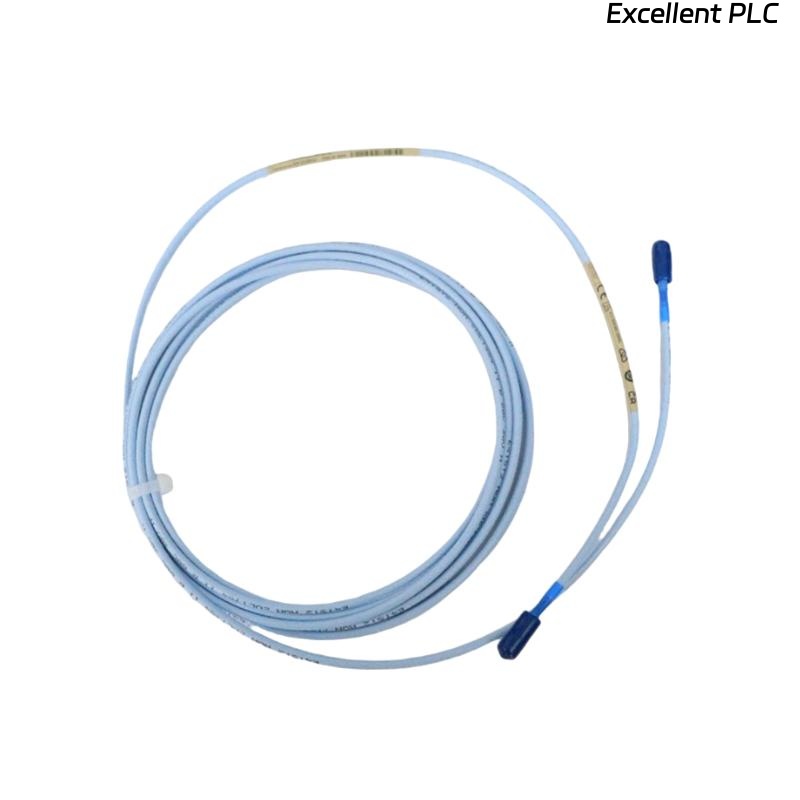
Proximity probes are simple devices on paper, but in real machines, small mistakes can quietly ruin your data. I ran into this exact situation with a Bently Nevada 164517-025-10-02-00 3300 series ceramic tip near-field probe, and the symptoms were subtle enough to fool experienced technicians.
This is one of those failures that doesn’t announce itself loudly—it just feeds you bad information.
Application Overview
-
Machine type: centrifugal compressor
-
Monitoring target: shaft radial vibration
-
Probe type: ceramic-covered near-field proximity probe
-
System generation: legacy 3300 monitoring rack
The machine was running smoothly, yet vibration trends showed slow, unexplained changes over time.
Symptoms That Didn’t Add Up
-
Gradual baseline shift in vibration amplitude
-
No corresponding change in process conditions
-
No alarms or channel faults
-
Repeatable but inaccurate readings after shutdown/startup
At first glance, it looked like rotor behavior. It wasn’t.
What We Found During Inspection
Once the probe was removed, two issues became obvious:
-
Improper initial gap setting
-
Probe installed too close to the shaft
-
Operating point near the non-linear region of the probe curve
-
-
Contamination on the ceramic tip
-
Fine oil mist residue baked onto the ceramic surface
-
Metallic dust embedded in the residue layer
-
Individually, these issues are manageable. Together, they distort the electric field the probe relies on.
Why the Signal Became Unreliable
The 164517-025-10-02-00 uses a ceramic tip to protect the probe and stabilize the electric field. When the surface becomes contaminated:
-
Effective probe sensitivity changes
-
Output voltage no longer scales linearly with distance
-
Small shaft movements appear larger or smaller than reality
With an incorrect gap, the probe was already operating near its limits. The contamination pushed it over the edge.
Corrective Actions Taken
-
Cleaned ceramic tip using approved non-abrasive solvent
-
Reset probe gap to the center of the linear range
-
Verified output voltage against calibration curve
-
Revalidated vibration baseline after startup
Once corrected, the readings returned to expected behavior immediately.
Key Takeaways From This Case
-
Ceramic tips protect probes but still require inspection
-
Gap setting is not a “set once and forget” task
-
Stable trends do not guarantee accurate measurement
-
Small installation errors can mimic mechanical problems
Final Thoughts
The Bently Nevada 164517-025-10-02-00 is a dependable proximity probe when installed and maintained correctly. In this case, the probe didn’t fail—the assumptions around it did.
If vibration data slowly drifts without a mechanical explanation, always check the probe before blaming the machine.
— Thomas