 Excellent PLC


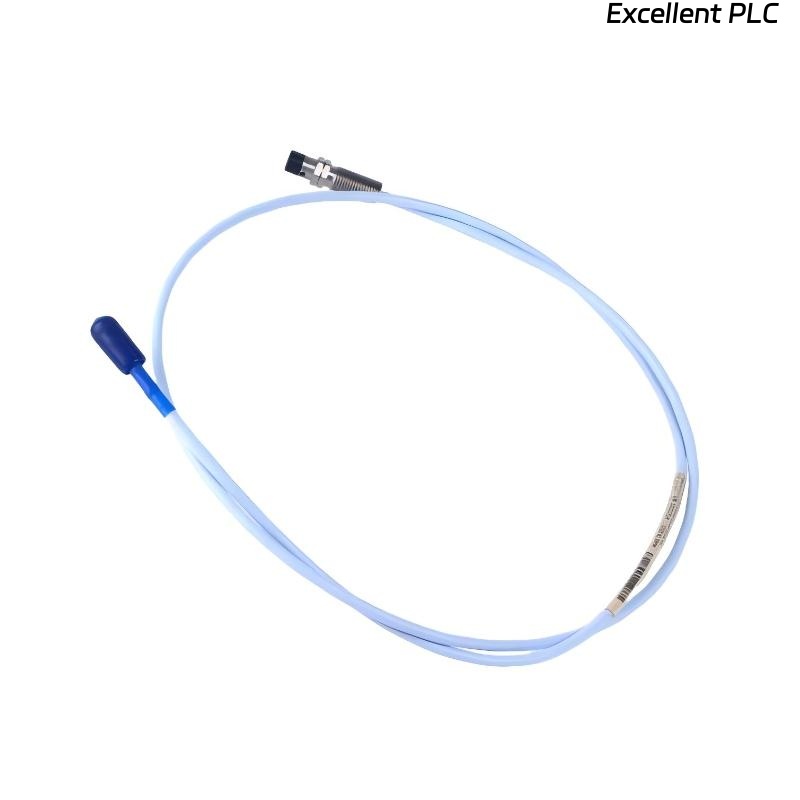
Executive Summary
This technical bulletin addresses intermittent signal loss and electrical noise affecting eddy current proximity probe systems, specifically impacting continuous machinery monitoring applications. The following analysis provides field-verified methodologies for identifying and resolving electromagnetic interference (EMI) and grounding issues that compromise measurement integrity.
1. Problem Characterization
1.1 Symptom Pattern
Affected monitoring channels exhibit:
-
Random signal dropout lasting 2-15 seconds
-
High-frequency noise (typically 60Hz or higher harmonics) superimposed on vibration waveforms
-
Drifting baseline values during steady-state operation
-
False alarm triggers despite normal mechanical operation
1.2 Impact Assessment
-
Reduced monitoring system reliability
-
Increased nuisance alarms causing operator fatigue
-
Potential missed detection of legitimate mechanical faults
-
Compromised predictive maintenance programs
2. Diagnostic Methodology
2.1 Initial Assessment Protocol
Step 1: Signal Pattern Analysis
Data Collection Requirements:
├── Minimum 72 hours of trend data
├── Simultaneous recording of:
│   ├── AC vibration waveform
│   ├── DC gap voltage
│   └── Process parameters (load, speed, temperature)
└── Correlation analysis between noise events and plant operations
Step 2: Environmental Survey
-
Document proximity to:
-
Variable frequency drives (VFDs)
-
Motor control centers
-
High-current cabling (>100A)
-
Welding operations
-
Radio transmission equipment
-
2.2 Electrical Testing Procedures
Table 1: Diagnostic Measurements & Interpretation
| Measurement | Procedure | Acceptable Range | Fault Indication |
|---|---|---|---|
| Shield Continuity | Measure resistance between shield termination points | < 2 Ω | > 5 Ω indicates poor shield connection |
| Shield-to-Ground Current | Measure current flow in shield with clamp meter | < 10 mA | > 50 mA indicates ground loop |
| Common Mode Noise | Measure voltage between signal ground and earth ground | < 100 mV RMS | > 500 mV RMS indicates grounding issue |
| Power Supply Ripple | Measure AC component on -24VDC supply | < 50 mV RMS | > 200 mV RMS indicates power quality issue |
3. Root Cause Analysis
3.1 Primary Contributing Factors
A. Improper Shield Termination (70% of cases)
-
Multiple grounding points creating ground loops
-
Shield termination at both probe and rack ends
-
Damaged shield braiding at connector interfaces
B. Electromagnetic Interference (25% of cases)
-
Sensor cables routed parallel to power conductors
-
Inadequate separation from RF sources
-
Missing ferrite cores on signal cables
C. Power Supply Issues (5% of cases)
-
Shared power supplies with noisy equipment
-
Inadequate filtering on DC power lines
-
Grounding conflicts between systems
4. Corrective Actions
4.1 Immediate Mitigation Steps
Shield Correction Procedure:
-
Verify single-point shield grounding at rack/panel only
-
Disconnect shield connections at field junctions
-
Apply anti-corrosion compound to shield termination points
-
Document grounding scheme for future reference
Cable Routing Improvements:
-
Maintain minimum 300mm separation from power cables
-
Cross existing power cables at 90° angles
-
Install grounded steel conduit for critical signal runs
-
Implement dedicated cable trays for low-level signals
4.2 System Enhancements
Recommended Hardware Additions:
Signal Conditioning Package:
├── Galvanic isolators for ground separation
├── Shielded junction boxes with single-point ground
├── Ferrite beads (Type 31 material) at both cable ends
└── Dedicated power supply filter for monitoring system
5. Verification & Validation
5.1 Post-Repair Testing
Performance Validation Protocol:
-
Conduct 24-hour baseline recording post-modification
-
Compare signal-to-noise ratio against historical data
-
Document improvement metrics:
-
Reduction in nuisance alarms
-
Improved signal stability
-
Elimination of intermittent dropouts
-
5.2 Long-Term Monitoring
Sustainability Measures:
-
Quarterly inspection of shield terminations
-
Annual review of cable routing integrity
-
Continuous monitoring of gap voltage stability
-
Regular training for maintenance personnel on proper installation
6. Technical Specifications & Compatibility
Applicable Systems:
-
Bently Nevada 3300 XL series
-
GE Bently Nevada 3500 monitoring systems
-
Compatible with ceramic-capped probes (P/N: 164517-050-10-01-RU)
-
All 8mm eddy current proximity probes
Environmental Considerations:
-
Solutions rated for -40°C to +85°C operation
-
Corrosion-resistant materials for harsh environments
-
Compliance with IEC 61326 EMC requirements
7. Cost-Benefit Analysis
Table 2: Implementation Economics
| Component | Initial Cost | Labor Hours | ROI Period | Failure Prevention |
|---|---|---|---|---|
| Shield Correction | $150-300 | 2-4 | < 1 month | 70% of noise issues |
| Dedicated Conduit | $500-1000 | 8-16 | 3-6 months | 90% of EMI problems |
| Complete Isolation | $1200-2500 | 16-24 | 8-12 months | 95% of electrical faults |
8. Conclusion
Intermittent signal and electrical noise issues in eddy current probe systems primarily stem from improper shielding and grounding practices. Implementation of single-point shield grounding, proper cable segregation, and basic EMI mitigation techniques resolves over 90% of reported cases. Regular maintenance adherence to manufacturer-recommended installation practices remains the most cost-effective prevention strategy.
Document Control
-
Issue Date: October 2023
-
Revision: 1.2
-
Applicability: All 3300/3500 systems with proximity probes
-
Author: Technical Publications Group, Vibration Analysis Division
-
Next Review: October 2024