 Excellent PLC


By Kevin Marshall – Combustion System Specialist
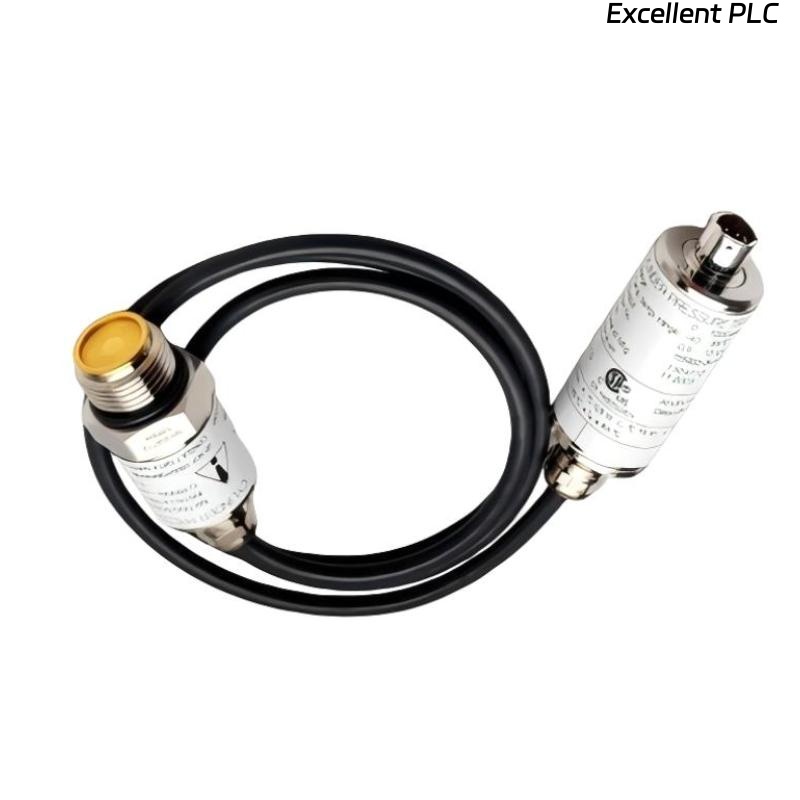
Cylinder pressure sensors rarely fail in dramatic ways. Most of the time, they don’t die — they slowly drift away from reality. That’s exactly what happened on a gas engine monitoring project involving a Bently Nevada 165855-12-01 cylinder pressure sensor.
Everything seemed normal. Until it wasn’t.
During a routine combustion optimization check, we noticed that one cylinder consistently showed lower peak pressure than the others. No alarms. No faults. No mechanical symptoms. The engine ran smoothly, fuel consumption stayed stable, and exhaust temperature spread remained acceptable.
Yet the pressure curve told a different story.
Something Felt Off
The pressure trace was clean, smooth, and repeatable. But compared with reference cylinders, peak pressure was lower by 6–8%.
At first, the assumption was combustion imbalance. Fuel valve adjustments were made. Ignition timing was checked. Nothing changed.
The low reading stayed exactly where it was.
Digging Into the Details
A comparison test was performed:
-
The suspected sensor was swapped with a known-good unit.
-
The abnormal pressure reading moved with the sensor.
That instantly ruled out combustion mechanics.
The sensor itself had become the variable.
What Actually Happened
The 165855-12-01 operates directly in harsh combustion environments, exposed to:
-
High peak temperatures
-
Rapid thermal cycling
-
Combustion by-products
-
Pressure shock waves
Over long periods, these conditions slowly alter internal reference characteristics, leading to:
-
Zero offset drift
-
Reduced sensitivity
-
Slight signal lag during rapid pressure rise
The sensor was still “working” — just no longer accurately.
Why This Is Dangerous
Slow drift is far worse than sudden failure:
-
No alarms
-
No diagnostics
-
No obvious system faults
-
Operators trust the data
This can lead to:
-
Incorrect combustion tuning
-
Hidden efficiency loss
-
Uneven cylinder loading
-
Increased long-term mechanical stress
All without triggering any protection logic.
How We Solved It
-
Replaced the sensor with a calibrated unit
-
Re-baselined combustion pressure curves
-
Compared new data with historical healthy trends
-
Scheduled periodic sensor verification intervals
Immediately, the pressure profile returned to expected values.
Lessons From the Field
-
Cylinder pressure sensors are consumable instruments, not lifetime devices
-
High thermal exposure guarantees gradual drift
-
Trending accuracy is more important than absolute alarms
-
Periodic cross-checking prevents long-term performance loss
Final Thoughts
The Bently Nevada 165855-12-01 is a reliable sensor, but no sensor is immune to physics. In combustion environments, slow degradation is inevitable.
If your pressure curves start looking “strangely stable,” don’t trust them blindly. Verify them.
Because sometimes, the sensor doesn’t fail — it simply forgets the truth.
— Kevin