 Excellent PLC


By Robert Sinclair – Industrial Electronics Reliability Engineer
The most expensive failures are not the ones that break equipment.
They are the ones that quietly erode safety margins.
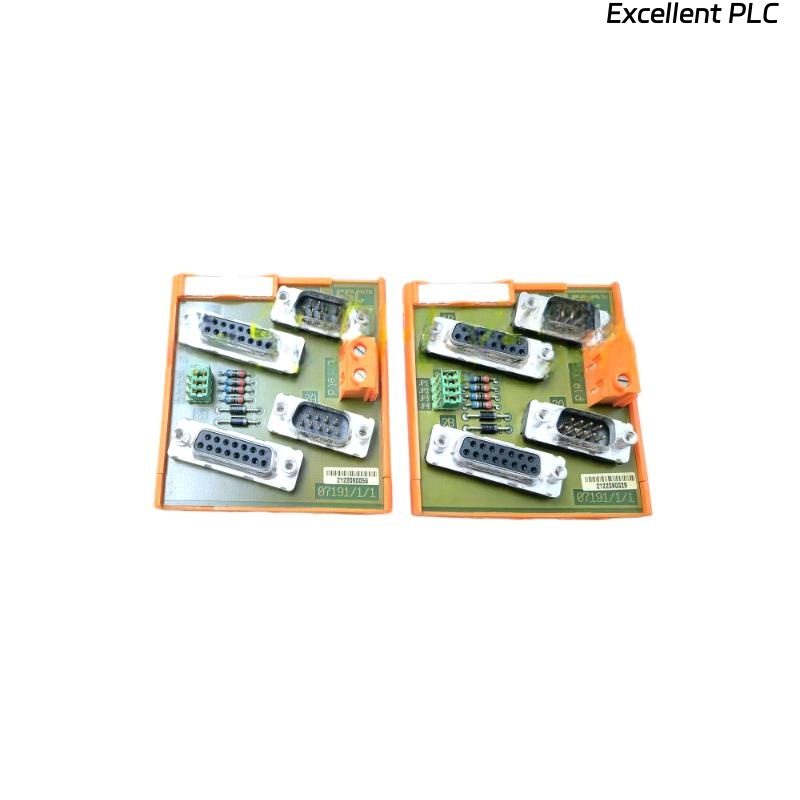
This case involved a Honeywell 07191/1/1 RS485 communication board that survived a nearby lightning event. Power stayed on. Communication stayed up. No alarms were generated.
Everyone moved on.
They shouldn’t have.
What Happened Before the Symptoms Appeared
-
Severe thunderstorm
-
No direct strike on the control building
-
Multiple inductive loads tripped and recovered
-
RS485 network resumed operation automatically
From a system perspective, everything looked normal.
Weeks later, communication issues began to surface.
Early Symptoms (Often Ignored)
-
Occasional checksum retries
-
Slight increase in response time
-
One device occasionally missing a poll
-
No consistent fault pattern
Nothing dramatic enough to justify replacing hardware.
That’s exactly how latent damage hides.
Why Surge Damage Is Different
A surge doesn’t need to destroy a component to damage it.
In RS485 transceivers, surge stress can cause:
-
Input protection diode leakage
-
Reduced output drive strength
-
Slower edge transitions
-
Increased susceptibility to noise
The 07191/1/1 board was still functional — just operating with reduced electrical margins.
What the Bus Looked Like Electrically
Measured at the far end of the network:
-
Differential voltage lower than historical baseline
-
Signal rise/fall times noticeably slower
-
Noise immunity reduced under load
-
Reflections more pronounced
No single parameter violated limits.
All margins were thinner.
Why This Is Hard to Diagnose
Standard checks passed:
-
Continuity OK
-
Termination OK
-
Grounding OK
-
Configuration unchanged
But RS485 doesn’t fail at a threshold.
It fails statistically.
Errors increase gradually until the system becomes unreliable.
The Telltale Comparison
We temporarily replaced the 07191/1/1 board with an identical spare.
Same wiring.
Same network.
Same configuration.
Result:
-
Signal amplitude increased
-
Edge transitions sharpened
-
Error rate dropped to zero
That confirmed it: the original board had suffered soft damage.
Corrective Strategy
-
Permanently replaced the degraded communication board
-
Installed additional surge protection on RS485 lines
-
Improved cable shielding at building entry points
-
Added post-storm communication quality checks
Recommended monitoring logic:
Don’t wait for total failure. Watch the trend.
Key Engineering Lessons
-
Surges don’t have to kill hardware to damage it
-
Communication boards can degrade invisibly
-
Error rate trends matter more than alarms
-
“Still online” does not mean “still healthy”
Final Thought
The Honeywell 07191/1/1 RS485 communication board survived the surge.
But survival is not the same as full recovery.
In communication systems, lost margin is borrowed time — and it always comes due.
— Robert Sinclair