 Excellent PLC


By Samuel Turner – Industrial Hardware Reliability Engineer
Redundant paths are supposed to be boring.
When the Honeywell 10014/1/1 dual-port module starts “thinking” about which port it prefers, something is already wrong.
This wasn’t a dramatic failure.
It was a quiet one — and therefore more disruptive.
What the Operators Noticed
-
Occasional communication hiccups
-
Short data freezes, then recovery
-
No persistent link-down alarms
-
Faults more frequent during high vibration periods
Everything worked — just not consistently.
Initial Assumptions (All Wrong)
The team blamed:
-
Network switches
-
Cable routing
-
EMI from nearby drives
-
Software timeouts
Weeks were spent tuning parameters.
Nothing improved.
What We Found on the Module Itself
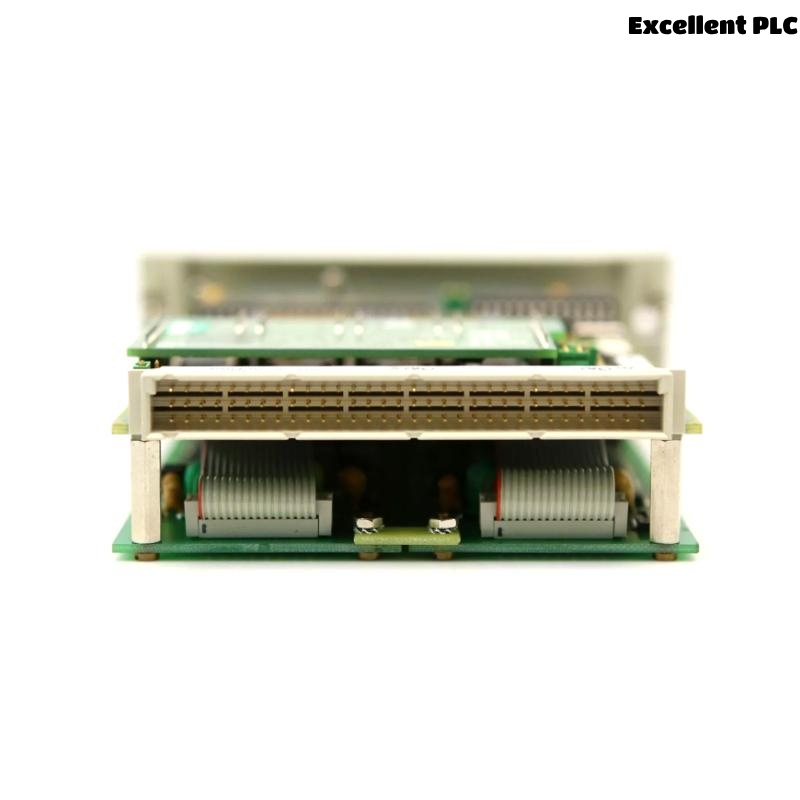
Physical inspection of the 10014/1/1 revealed:
-
One port connector slightly oxidized
-
Marginal contact resistance
-
Micro-movement under cabinet vibration
Not enough to break the link permanently.
Enough to destabilize it intermittently.
Why This Looks Like a Network Problem
From the system’s perspective:
-
Primary path drops briefly
-
Redundant path takes over
-
Primary recovers
-
System switches back
That oscillation looks like software instability.
In reality, it’s mechanical.
How We Verified the Root Cause
We forced traffic to the secondary port:
The instability disappeared.
Switching back to the primary port brought the problem back within minutes.
The Real Fix
-
Replaced the 10014/1/1 module
-
Cleaned and re-terminated cables
-
Improved cabinet vibration damping
-
Added periodic physical inspection to maintenance routine
No parameter tuning required.
Lessons Learned
-
Redundancy can mask physical degradation
-
Intermittent port faults mimic network issues
-
Connectors age even when electronics survive
-
Vibration accelerates marginal contacts
Closing Note
The Honeywell 10014/1/1 dual-port module didn’t fail in the way people expect hardware to fail.
It degraded just enough to confuse the system.
And confused systems are often blamed on software first.
— Samuel Turner