 Excellent PLC


Field Observation Report
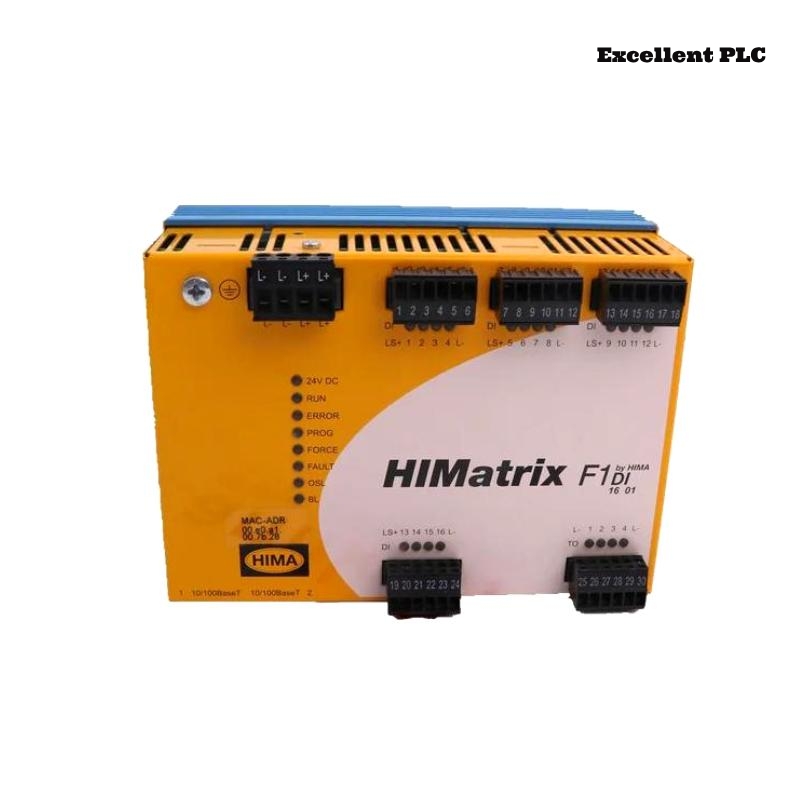
During a routine cabinet inspection, maintenance personnel noticed discoloration and a faint burnt odor near the terminal block of a Black Horse F1 DI 16 01 Remote I/O Module. Although the digital input channels were still operational, several terminals showed signs of overheating, and the insulation on nearby wiring had begun to harden.
This type of degradation often develops slowly and may go unnoticed until physical damage becomes visible. If left unaddressed, terminal overheating can lead to intermittent signal loss, complete channel failure, or, in extreme cases, localized fire hazards.
Early Warning Signs to Watch For
Thermal-related degradation rarely happens suddenly. Common early indicators include:
-
Slight discoloration around terminal screws or connectors
-
Plastic housing becoming brittle or warped
-
Intermittent input dropouts under high load conditions
-
Elevated cabinet temperature near the remote I/O station
Identifying these early signs allows maintenance teams to intervene before permanent damage occurs.
On-Site Inspection and Verification
Loose connections are a primary contributor to localized heating, as increased contact resistance causes heat buildup under normal operating currents.
Failure Mechanism Analysis
In most documented cases, terminal overheating on digital input modules is linked to poor mechanical termination rather than excessive current draw. Over time, vibration and thermal cycling cause terminal screws to loosen slightly, increasing resistance at the contact point. This results in continuous micro-heating, which accelerates oxidation and further degrades the connection in a feedback loop.
Environmental factors such as high ambient temperature and airborne contaminants can accelerate this process, especially in non-sealed control cabinets.
Corrective Maintenance Actions
After corrective work, it is recommended to perform a controlled thermal observation during operation to ensure that abnormal heating does not recur.
Post-Repair Verification
Thermal imaging, where available, provides an efficient way to confirm uniform temperature distribution across terminals.
Lessons for Preventive Maintenance Programs
Terminal overheating incidents highlight the importance of mechanical integrity in electrical connections. Incorporating periodic torque checks and thermal inspections into routine maintenance schedules can significantly reduce the likelihood of similar failures across remote I/O installations.
Standardizing wiring practices and using high-quality terminal accessories also improves long-term reliability in vibration-prone environments.
Closing Statement
Burnt or overheated terminals on the Black Horse F1 DI 16 01 Remote I/O Module are a gradual failure mode driven primarily by contact resistance and environmental stress. Through regular inspection, proper termination practices, and proactive thermal monitoring, such faults can be detected early and corrected before they escalate into more serious operational or safety issues.