 Excellent PLC


Real-World Failure Scenario
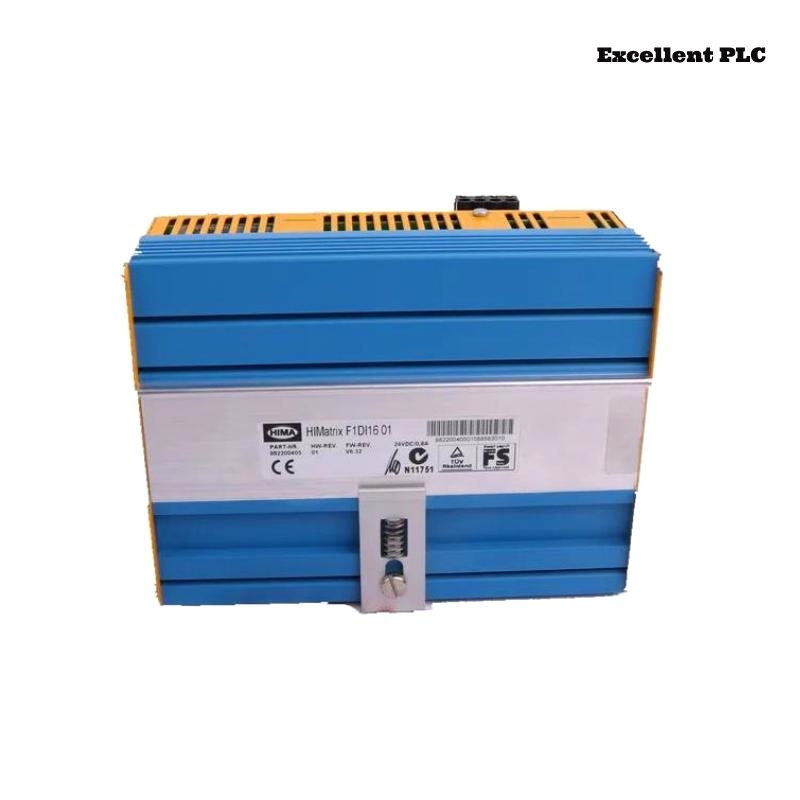
In a coastal production facility, multiple digital input channels on a Black Horse F1 DI 16 01 Remote I/O Module began to behave unpredictably after several months of stable operation. The cabinet was located near an open process area with high humidity and occasional oil mist. Although the module remained online, intermittent input dropouts and delayed state changes were observed, particularly during early morning hours when condensation was present inside the cabinet.
This type of failure is typical in environments where environmental protection of control cabinets is insufficient for the actual operating conditions.
Why Environmental Contamination Affects Digital I/O Modules
Moisture, dust, and oil mist create conductive and semi-conductive films on PCB surfaces and connectors. Over time, this leads to:
-
Increased leakage currents across input conditioning circuits
-
Corrosion of connector contacts and terminal blocks
-
Degradation of insulation resistance
-
Intermittent signal paths caused by condensation
Unlike immediate electrical faults, contamination-related failures tend to appear gradually and are often correlated with environmental changes such as humidity cycles.
Diagnostic Methods in Contaminated Environments
If fault frequency increases during high humidity periods, environmental influence is highly likely.
Cleaning and Recovery Procedure
It is important to avoid aggressive solvents or uncontrolled heating, which may damage sensitive components or PCB coatings.
Engineering Improvements for Long-Term Protection
In high-risk areas, conformal coating of PCBs and the use of sealed connectors can further enhance resistance to contamination-related degradation.
Verification and Monitoring
Long-term monitoring helps confirm that environmental countermeasures are effective rather than providing only short-term relief.
Final Remarks
Environmental contamination is an often underestimated contributor to remote I/O module failures. The Black Horse F1 DI 16 01 is designed for industrial environments, but real-world conditions may exceed standard protection assumptions. By addressing cabinet design, environmental control, and regular cleaning practices, maintenance teams can significantly extend the service life of remote I/O modules and improve overall system reliability.