 Excellent PLC


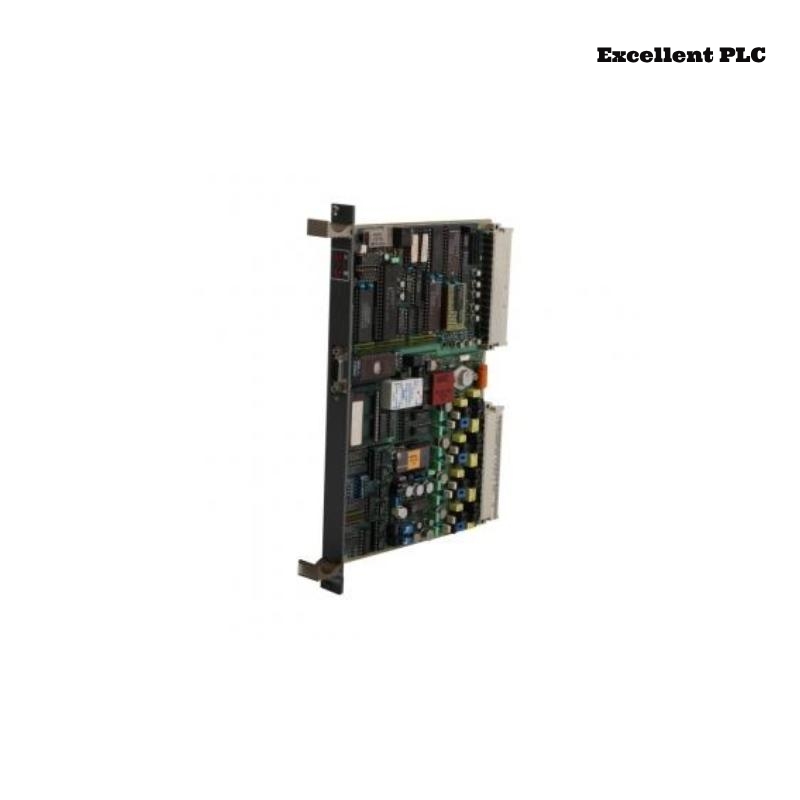
Field Incident Summary
At an industrial packaging facility, three out of four relay outputs on a Black Horse F1201 4x Relay Amplifier Module stopped functioning simultaneously.
Key observations:
-
Control logic confirmed active output commands
-
No relay click sound from affected channels
-
Indicator LEDs on the module were dim or non-functional
-
One remaining channel operated intermittently
This pattern suggested a shared electrical problem rather than independent relay failures.
Why Simultaneous Failures Are Different
When multiple relay channels fail at the same time, the root cause typically involves:
-
Common power rail failure
-
Shared ground reference interruption
-
Internal DC distribution damage
-
Backplane supply instability
Independent mechanical relay damage rarely occurs simultaneously.
Structured System-Level Diagnostic
To isolate the failure, the following method was applied:
STEP 1 – Measure module supply voltage.
STEP 2 – Verify internal common return path.
STEP 3 – Inspect backplane connector integrity.
STEP 4 – Check for voltage drop under load.
STEP 5 – Perform module substitution test.
Step 1 – Verify Supply Voltage Stability
Using a calibrated meter:
Measure DC input at module terminals.
Confirm voltage within rated tolerance.
Check voltage while activating outputs.
Initial measurement showed nominal voltage with no load, but significant drop when outputs were commanded ON.
Step 2 – Identify Common Rail Weakness
Further inspection revealed high resistance at the module’s power input terminal due to oxidation and insufficient tightening.
This caused:
-
Voltage sag during coil activation
-
Partial energization
-
Intermittent operation
Because all relay coils share the same supply rail, multiple channels were affected.
Load Simulation Confirmation
To confirm the diagnosis:
1. Tighten power terminals.
2. Repeat output activation under full load.
3. Monitor voltage stability.
After correcting terminal torque and cleaning contact surfaces, voltage remained stable and all channels restored full operation.
Other Possible Shared Causes
If power supply is stable, consider:
-
Internal PCB trace damage
-
Shared driver IC failure
-
Backplane bus contact degradation
-
Overcurrent protection circuit activation
In such cases, full module replacement is recommended.
Corrective Action Plan
– Clean and retorque power terminals.
– Inspect grounding connections.
– Verify cabinet vibration control.
– Replace module if internal rail damage suspected.
Preventive Engineering Recommendations
-
Periodically torque-check power terminals.
-
Inspect for corrosion in humid environments.
-
Avoid exceeding rated switching current across multiple channels simultaneously.
-
Maintain stable and filtered DC supply rails.
Shared power integrity is critical in multi-channel relay modules.
Conclusion
When multiple channels fail simultaneously on the Black Horse F1201 4x Relay Amplifier Module, the root cause is typically related to shared power rail instability or common circuit degradation. Systematic voltage testing under load conditions enables accurate identification and prevents unnecessary module replacement in Planar F systems.