Excellent PLC


| Company Information | ||||||||
| [email protected] | ||||||||
| Mobile | +8613666033393 | |||||||
| +8613666033393 | ||||||||
| 13666033393 | ||||||||
| Add | Room 1004, No. 62 Xiangxiu Li, Siming District, Xiamen City, Fujian Province, China | |||||||
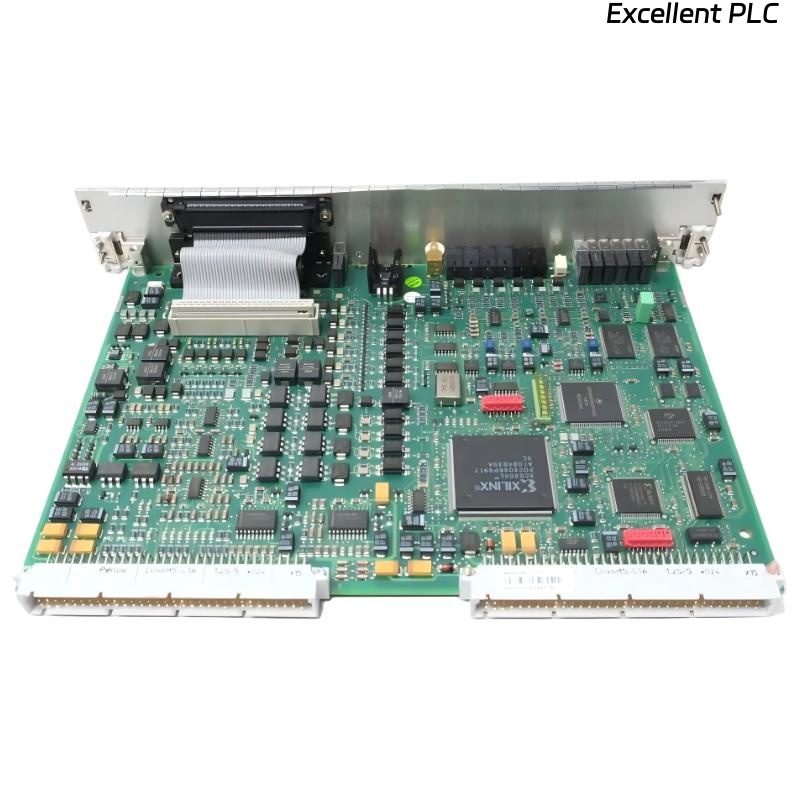
ABB PFSK 152 3BSE018877R1 Signal Concentrator Board
- Product Details
- FAQs
- Related
- Contact Us
- Packing & Delivery
- Product Ratings
Product Introduction
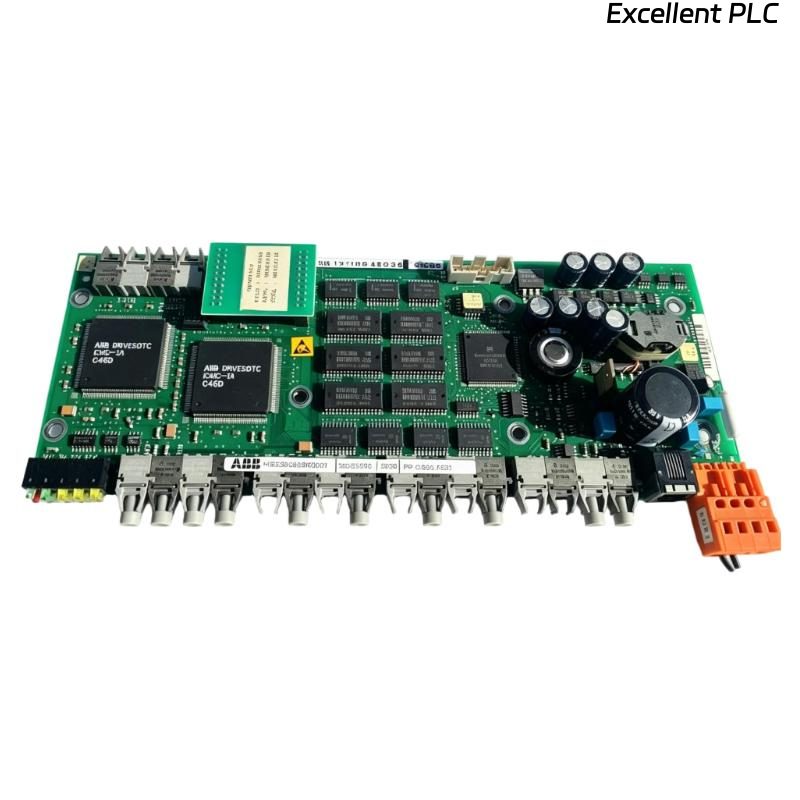
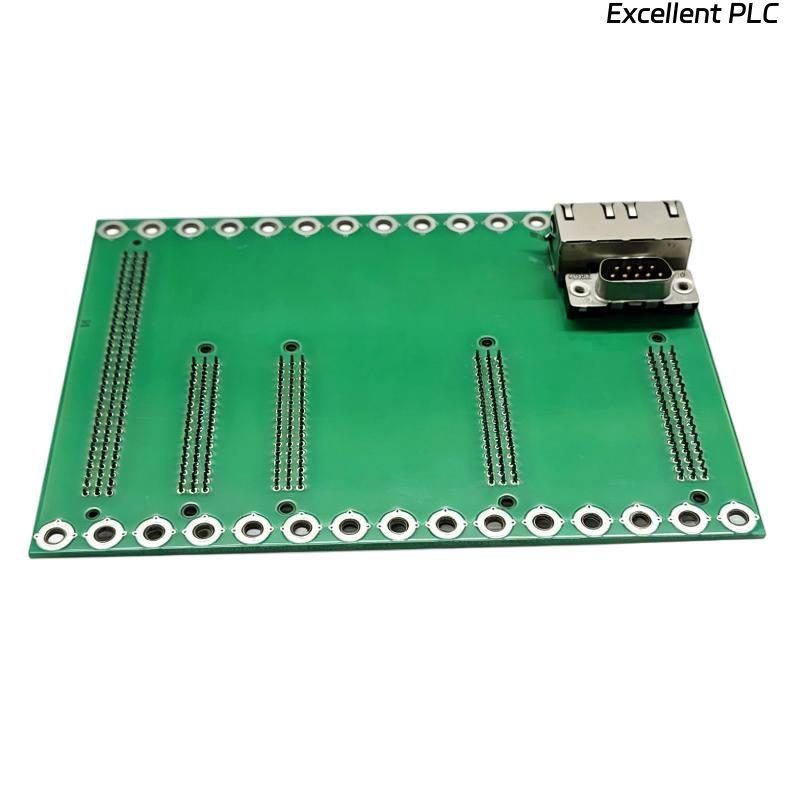
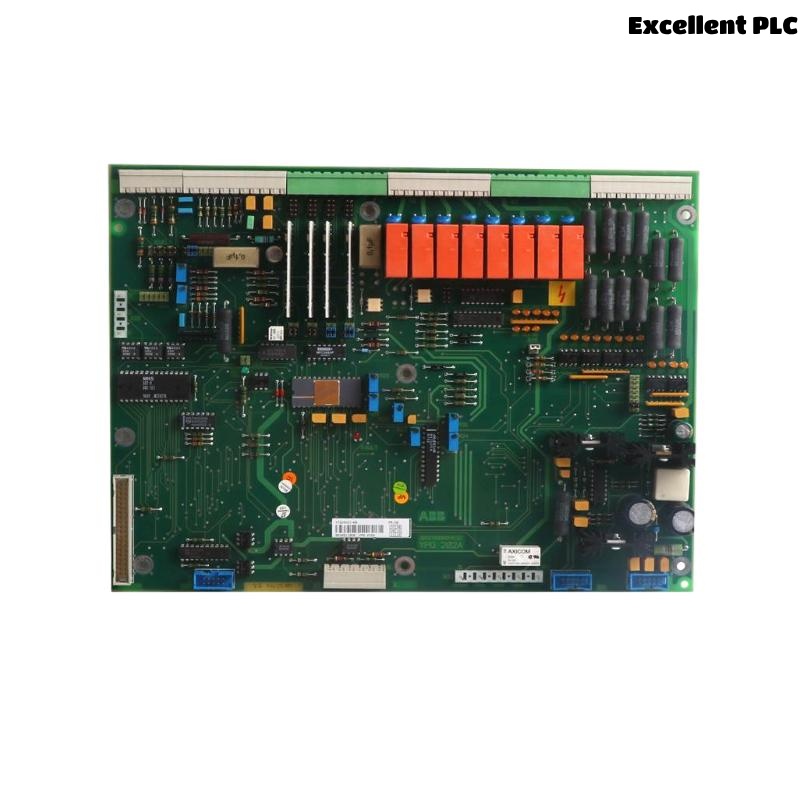
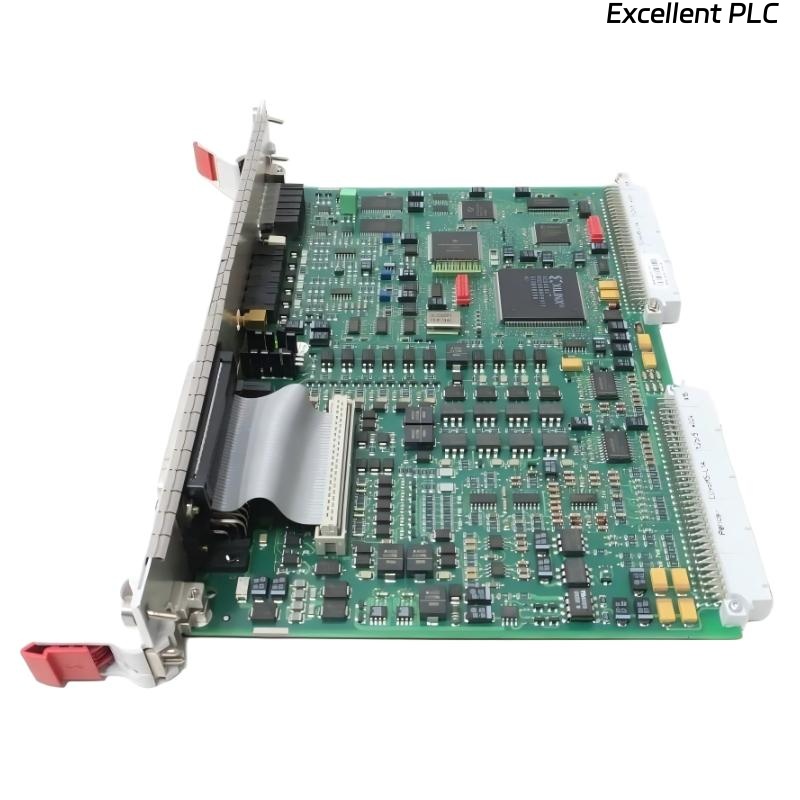
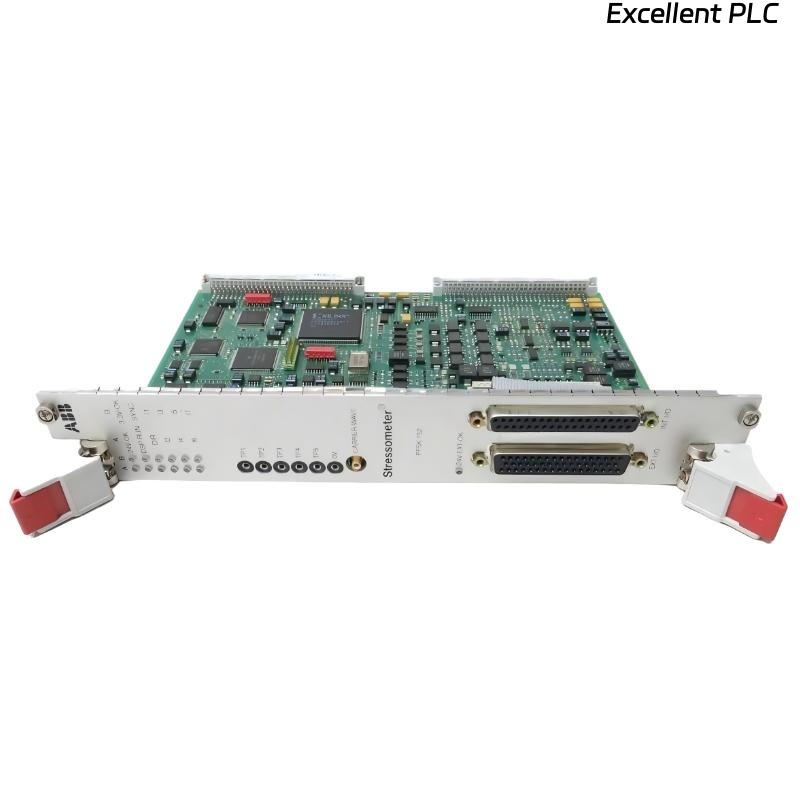
The ABB PFSK 152 (3BSE018877R1) Signal Concentrator Board is a specialized interface module designed to aggregate and process multiple field signals within industrial automation systems. It serves as a central hub for collecting, conditioning, and forwarding signal data between field devices and higher-level control units, ensuring stable and accurate transmission in demanding environments.
Built with ABB’s long-standing expertise in control system engineering, the PFSK 152 is commonly deployed in distributed control systems (DCS) and process automation platforms where signal integrity and system reliability are critical. The board is engineered for seamless integration into ABB control architectures, offering dependable performance under continuous operation.
Its compact design allows it to be installed within control cabinets where space is limited, while still providing sufficient connectivity for complex signal routing tasks. The module supports various signal types and ensures proper isolation and filtering, minimizing noise interference and enhancing overall system stability.
Product Specifications
| Parameter | Description |
|---|---|
| Model | PFSK 152 |
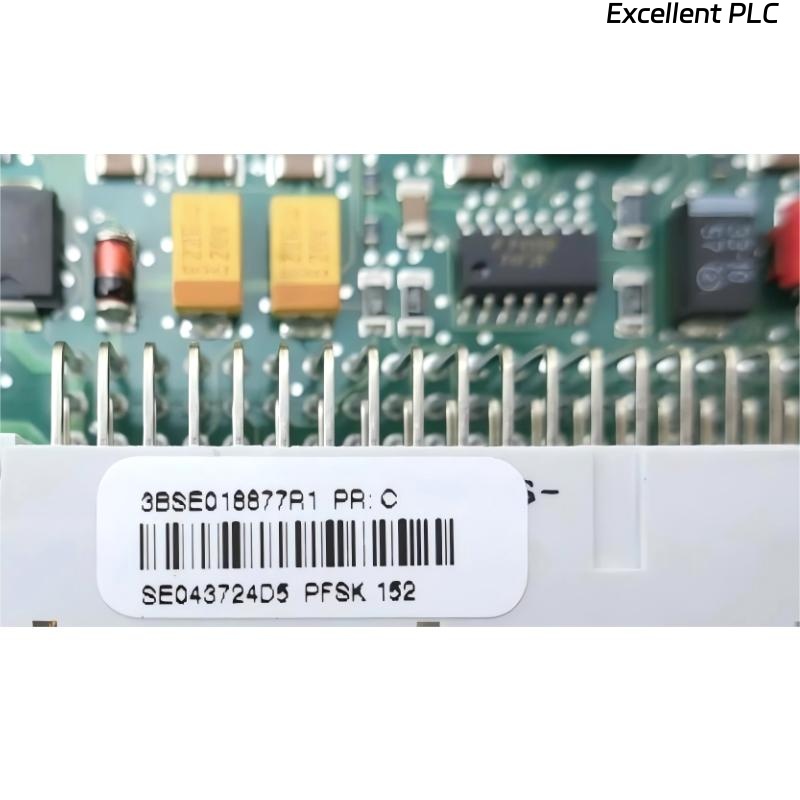
| Part Number | 3BSE018877R1 |
| Manufacturer | ABB |
| Product Type | Signal Concentrator Board |
| Function | Signal aggregation and distribution |
| System Compatibility | ABB DCS / Automation Systems |
| Input Signal Types | Analog and Digital (depending on configuration) |
| Output Interface | Backplane / System Bus Interface |
| Signal Isolation | Electrical isolation supported |
| Mounting Type | Rack / Cabinet installation |
| Operating Voltage | System supplied |
| Operating Temperature | Industrial standard range |
| Protection Features | Noise filtering, signal conditioning |
| Dimensions | 210 × 165 × 45 mm |
| Weight | 0.5 kg |
Applications
• Process Automation Systems – Used in large-scale industrial processes such as power generation, oil & gas, and chemical plants to centralize multiple input signals for efficient processing.
• Distributed Control Systems (DCS) – Acts as an intermediary layer that ensures smooth communication between field instruments and control processors.
• Signal Conditioning and Transmission – Provides stable and interference-resistant signal handling, improving accuracy in measurement and control loops.
• Industrial Monitoring Systems – Supports real-time data acquisition from sensors and transmitters across different process areas.
• Control Cabinet Integration – Ideal for high-density signal environments, allowing multiple channels to be organized efficiently within limited cabinet space.
Advantages
• High Signal Integrity – Designed with advanced filtering and isolation, ensuring reliable data transmission even in electrically noisy environments.
• System Compatibility – Fully aligned with ABB automation platforms, enabling easy integration without complex configuration.
• Compact and Efficient Design – Saves cabinet space while maintaining high channel density and functionality.
• Robust Industrial Performance – Built for continuous operation under harsh industrial conditions, including temperature fluctuations and electromagnetic interference.
• Improved System Reliability – Reduces signal loss and communication errors, contributing to overall system stability and uptime.
• Flexible Signal Handling – Capable of managing different signal types, making it suitable for diverse industrial applications.
FAQ
- What is the primary function of the PFSK 152 board?
It is designed to collect multiple input signals from field devices, condition them, and transmit them reliably to the control system for processing. - How does the module ensure signal accuracy?
It incorporates filtering and electrical isolation techniques that reduce noise and prevent signal distortion during transmission. - Can the board handle both analog and digital signals?
Yes, depending on system configuration, it supports both types, allowing flexible integration with various field instruments. - Is the module suitable for high-noise industrial environments?
Yes, it is specifically engineered with noise suppression features to maintain stable operation in environments with electromagnetic interference. - How is the PFSK 152 integrated into a control system?
It is typically installed in a rack or cabinet and connects through a system backplane, enabling communication with other control modules. - What kind of systems commonly use this module?
It is widely used in ABB distributed control systems and other industrial automation platforms requiring centralized signal management. - Does the board provide signal isolation?
Yes, it includes electrical isolation to protect both the module and connected devices from voltage fluctuations and interference. - What are the benefits of using a signal concentrator board?
It simplifies wiring, improves signal organization, and enhances overall system reliability by centralizing signal handling. - Is configuration required before operation?
Minimal configuration may be required depending on the system, but it is generally designed for straightforward integration within ABB environments. - How does it contribute to system reliability?
By stabilizing signal transmission and reducing noise-related errors, it ensures consistent data flow and minimizes system downtime.
Related Models
| Model | Description |
|---|---|
| PFSK 151 | Signal interface board for distributed systems |
| PFSK 153 | Enhanced signal concentrator with extended channels |
| PFSK 160 | Advanced signal processing module |
| PFSK 102 | Compact signal interface board |
| PFSK 104 | Multi-channel signal distribution module |
| PFSK 130 | General-purpose signal conditioning board |
Popular Models
| Model | Description |
|---|---|
| 07KT98C GJR5253100R3260 | Advanced PLC processor module |
| 07AC91 GJR5252300R0101 | Analog input module |
| 07DC92 GJR5252200R0101 | Digital input/output module |
| PM866K01 | AC 800M controller unit |
| AI810 | Analog input module for control systems |
| DI840 | Digital input module for industrial automation |
| Company Information | ||||||||
| [email protected] | ||||||||
| Mobile | +8613666033393 | |||||||
| +8613666033393 | ||||||||
| 13666033393 | ||||||||
| Add | Room 1004, No. 62 Xiangxiu Li, Siming District, Xiamen City, Fujian Province, China | |||||||
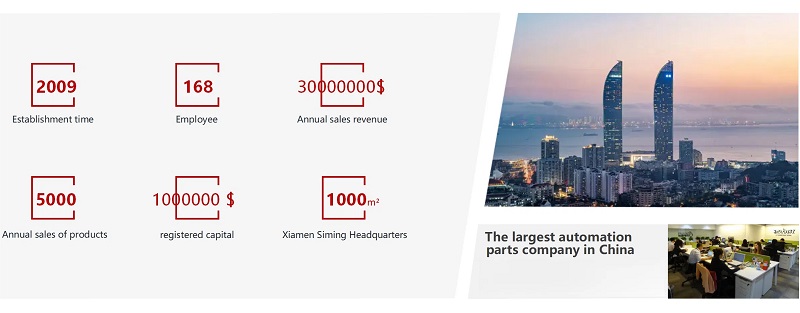
Excellent PLC Co., Ltd. has a large number of brand new and original PLC and DCS spare parts, with more than 60 cooperative countries. All products are guaranteed for 1 year and delivered to you by high-quality express. We are committed to using the best products and the most favorable prices to meet the needs and friendship of our customers. We have won the trust of thousands of customers, including these excellent customers.
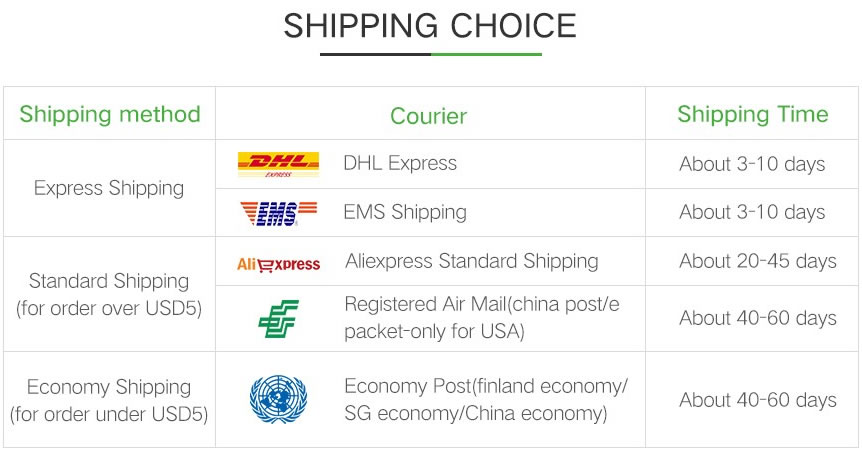
As for the delivery time, when we receive your order requirements, we will arrange for warehouse personnel to test and verify the products. After you place the order, we will send it to you within 24 hours.
Click to rate this post!
[Total: 0 Average: 0]