 Excellent PLC


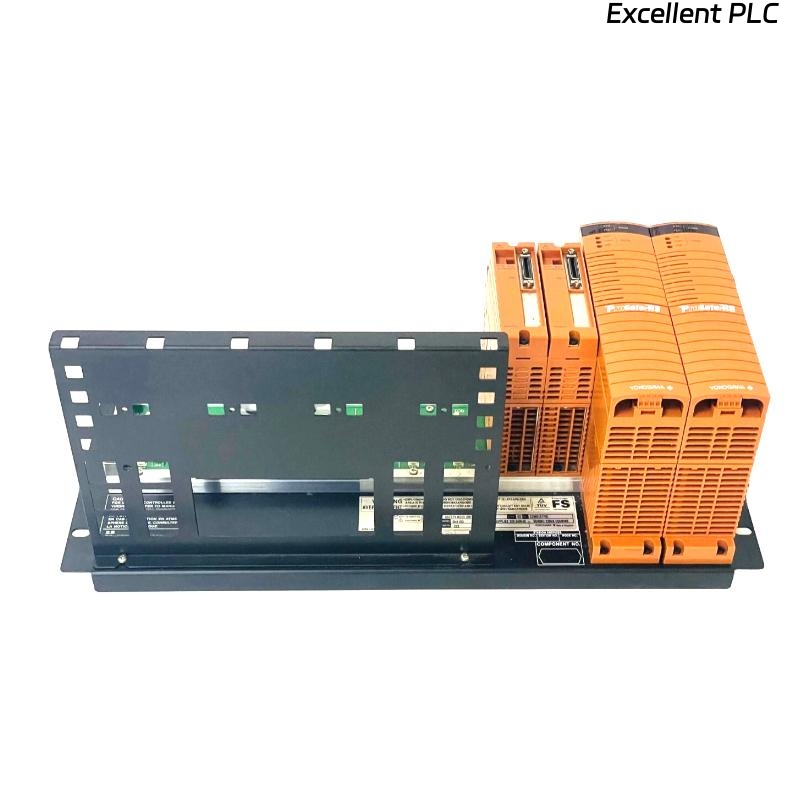
Yokogawa SNB10D-425/CU2T communication faults are usually caused by ESB Bus termination problems, connector degradation, addressing conflicts, or power redundancy abnormalities rather than actual Safety Node Unit failure. Effective Troubleshooting requires engineers to verify communication infrastructure before replacing hardware. :contentReference[oaicite:4]{index=4}
Contents
- SNB10D-425/CU2T Fault Symptoms
- Impact on Safety System Operation
- Typical Failure Patterns
- Common Causes of SNB10D-425/CU2T Faults
- Fault Diagnosis Strategy
- ESB Bus Communication Troubleshooting
- CU2T Terminator Fault Analysis
- Power Supply Troubleshooting
- Safety Signal Diagnosis
- System Configuration Fault Diagnosis
- Diagnostic Workflow
- Repair Actions
- Verification After Repair
- Preventive Maintenance
- Real Fault Diagnosis Case
- FAQ
SNB10D-425/CU2T Fault Symptoms
- Node offline alarms
- Communication timeout events
- Partial I/O visibility
- Redundancy warnings
- Unexpected safety trips
- Intermittent network failures
Impact on Safety System Operation
- Loss of process visibility
- Delayed shutdown response
- Communication instability
- Safety loop interruption
- Alarm flooding
Typical Failure Patterns
Field service teams commonly observe:
- Faults after cabinet maintenance
- Startup communication alarms
- Intermittent node disconnections
- Expansion project failures
- Configuration-related startup issues
Common Causes of SNB10D-425/CU2T Faults
- CU2T termination faults
- ESB Bus cable damage
- Address conflicts
- Power supply instability
- Grounding deficiencies
- Connector oxidation
- Configuration mismatches
Fault Diagnosis Strategy
Experienced engineers use evidence-based Troubleshooting rather than immediate module replacement.
- Review alarm history.
- Analyze communication status.
- Inspect physical connections.
- Verify power quality.
- Validate configuration.
ESB Bus Communication Troubleshooting
- Verify node visibility
- Check communication counters
- Inspect network routing
- Measure latency
- Validate redundancy operation
Most communication failures originate from infrastructure rather than the Safety Node Unit itself.
CU2T Terminator Fault Analysis
| Observed Symptom | Likely Cause |
|---|---|
| Random communication loss | Loose terminator |
| Intermittent alarms | Connector oxidation |
| Node disappearance | Terminator failure |
| Network instability | Termination mismatch |
Power Supply Troubleshooting
- Measure AC voltage
- Verify redundant feeders
- Inspect protection devices
- Monitor voltage fluctuations
Safety Signal Diagnosis
| Signal Behavior | Probable Cause |
|---|---|
| Missing input | I/O mapping error |
| Output inactive | Logic assignment issue |
| Signal oscillation | Grounding problem |
| Unexpected trip | Configuration mismatch |
System Configuration Fault Diagnosis
- Verify node addresses
- Inspect I/O assignments
- Review communication parameters
- Validate logic database
- Check redundancy settings
Diagnostic Workflow
REVIEW ALARM LOGS
VERIFY NODE STATUS
CHECK ESB NETWORK
INSPECT CU2T TERMINATOR
MEASURE POWER QUALITY
VALIDATE CONFIGURATION
CONFIRM ROOT CAUSE
Repair Actions
- Replace damaged connectors
- Correct address conflicts
- Repair communication links
- Restore configuration backups
- Repair power circuits
Verification After Repair
- Communication monitoring
- Alarm review
- Signal simulation testing
- Redundancy validation
- Integrated SIS testing
Preventive Maintenance
- Quarterly connector inspection
- Annual grounding audit
- Routine redundancy testing
- Configuration backup reviews
- Communication trend analysis
Real Fault Diagnosis Case
A refinery safety system reported recurring communication alarms associated with an SNB10D-425/CU2T Safety Node Unit.
- Communication retries: 420/hour
- Network latency: 204 ms
- Input voltage: 226 VAC
- Node availability: Unstable
The maintenance team initially planned hardware replacement.
Detailed Fault Diagnosis revealed oxidation on the CU2T terminator contacts and a duplicate node address introduced during a recent expansion project.
After corrective action:
- Latency dropped to 7 ms
- Communication retries reduced to zero
- Node stability reached 100%
- All alarms cleared
We observed that communication infrastructure issues combined with configuration errors often produce symptoms identical to hardware failure.
SNB10D-425/CU2T Troubleshooting FAQ
Does a communication alarm always indicate Safety Node Unit failure?
No. ESB Bus infrastructure, termination problems, and configuration errors are far more common causes.
What should engineers inspect first during Fault Diagnosis?
Communication health, CU2T termination integrity, power quality, and System Configuration should be verified before hardware replacement.
Can addressing conflicts create intermittent communication faults?
Yes. Duplicate addresses frequently cause unstable communication and random node disconnections.
Summary: Effective SNB10D-425/CU2T Troubleshooting requires systematic Fault Diagnosis, ESB Bus communication analysis, CU2T termination verification, and System Configuration validation before replacing the Safety Node Unit.