 Excellent PLC


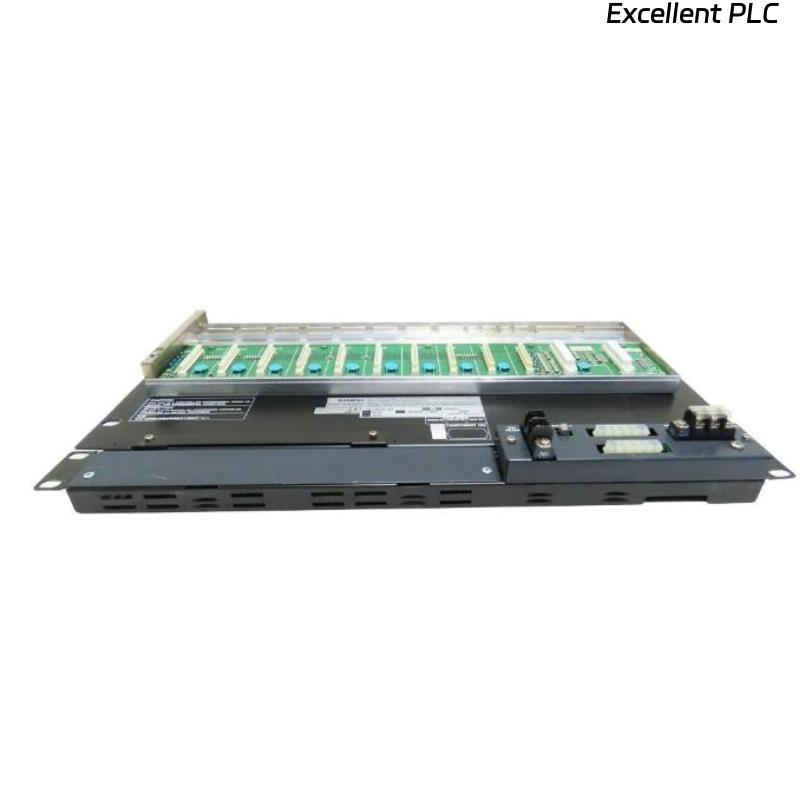
The Yokogawa AFV30D Duplexed Field Control Unit (FCU) is a high-availability redundant controller for CENTUM VP Distributed Control Systems utilizing Vnet/IP and Field Control I/O (FIO). The controller consists of synchronized active and standby processor modules that execute process control applications while communicating with Human Interface Stations (HIS), Engineering Stations (ENG), and distributed FIO node units over redundant Vnet/IP Ethernet networks. Automatic processor switchover ensures uninterrupted operation during hardware failures. When synchronization errors, communication interruptions, or controller faults occur, a structured troubleshooting procedure enables maintenance engineers to identify the root cause quickly and restore reliable system performance.
Contents
- 1. Understanding AFV30D Fault Conditions
- 2. Common Failure Symptoms
- 3. Typical Causes of Controller Faults
- 4. Initial Hardware Inspection
- 5. Power System Diagnostics
- 6. Redundancy Diagnostics
- 7. Processor Synchronization Diagnostics
- 8. Vnet/IP and FIO Communication Diagnostics
- 9. Controller Diagnostic Analysis
- 10. Recommended Troubleshooting Workflow
- 11. Corrective Actions
- 12. Functional Recovery Verification
- 13. Preventive Maintenance
- 14. Real Industrial Maintenance Case
- 15. Frequently Asked Questions
Understanding AFV30D Fault Conditions
The AFV30D continuously synchronizes the active and standby processors to maintain uninterrupted process control. During normal operation, the standby processor mirrors application memory, execution status, and controller configuration. If the active processor fails, the standby processor automatically assumes control with minimal process interruption.
Typical controller faults include processor synchronization failures, Vnet/IP communication interruptions, FIO network communication loss, firmware incompatibility, unstable power supplies, backup battery deterioration, Ethernet network configuration errors, and processor hardware failures.
Common Failure Symptoms
- Standby processor unavailable
- Processor synchronization alarm
- Automatic failover unavailable
- Vnet/IP communication failure
- FIO communication timeout
- Unexpected controller restart
- Controller hardware fault alarm
- Application synchronization failure
Typical Causes of Controller Faults
- Power supply instability
- Damaged Ethernet communication cables
- Managed switch configuration errors
- Incorrect VLAN or IP configuration
- Loose network connectors
- Firmware incompatibility
- Backup battery deterioration
- Processor hardware malfunction
Initial Hardware Inspection
- Inspect controller LED indicators.
- Verify processor module installation.
- Inspect redundant power supplies.
- Verify Ethernet communication interfaces.
- Inspect cabinet ventilation and cooling.
Power System Diagnostics
Reliable power is required to maintain processor synchronization and uninterrupted process execution.
- Verify controller input voltage.
- Measure redundant power supply outputs.
- Inspect protective circuit breakers.
- Verify grounding continuity.
- Review power-related diagnostic history.
Redundancy Diagnostics
- Verify active processor status.
- Confirm standby processor availability.
- Review redundancy alarm history.
- Monitor processor synchronization indicators.
- Test automatic failover readiness.
Processor Synchronization Diagnostics
- Inspect synchronization status.
- Verify firmware versions on both processors.
- Review synchronization event logs.
- Confirm identical controller configuration.
- Monitor synchronization completion.
Vnet/IP and FIO Communication Diagnostics
- Inspect Ethernet communication cables.
- Verify RJ45 connector engagement.
- Review managed switch diagnostics.
- Confirm VLAN and IP address configuration.
- Verify communication with all FIO node units.
Controller Diagnostic Analysis
| Observed Condition | Possible Diagnosis |
|---|---|
| Standby processor unavailable | Synchronization or processor hardware fault |
| Synchronization failure | Network interruption or firmware mismatch |
| Vnet/IP communication failure | Ethernet cable, switch, VLAN, or IP configuration problem |
| Unexpected controller restart | Power fluctuation or processor malfunction |
| FIO communication timeout | Network interface or communication failure |
Diagnostic logs should always be reviewed before replacing processor modules, power supplies, or communication hardware.
Recommended Troubleshooting Workflow
VERIFY POWER SUPPLIES
CHECK CONTROLLER STATUS
VERIFY REDUNDANCY
CHECK PROCESSOR SYNCHRONIZATION
VERIFY VNET/IP COMMUNICATION
CHECK FIO NETWORK
REVIEW DIAGNOSTIC LOGS
IDENTIFY ROOT CAUSE
IMPLEMENT CORRECTIVE ACTION
VERIFY SYSTEM RECOVERY
A structured troubleshooting workflow reduces maintenance time and helps avoid unnecessary hardware replacement.
Corrective Actions
- Restore stable power supplies.
- Replace damaged Ethernet communication cables.
- Correct VLAN or IP address configuration.
- Reconnect loose communication connectors.
- Update incompatible firmware.
- Replace backup battery when required.
- Replace processor hardware only after completing diagnostics.
Functional Recovery Verification
- Verify active processor operation.
- Confirm standby processor synchronization.
- Perform automatic failover testing.
- Verify stable Vnet/IP communication.
- Confirm normal communication with all FIO node units.
Preventive Maintenance
- Inspect Ethernet communication wiring regularly.
- Review controller diagnostic logs periodically.
- Verify redundancy status during routine maintenance.
- Replace backup batteries according to maintenance schedules.
- Maintain firmware and controller configuration backups.
Real Industrial Maintenance Case
During preventive maintenance at a refinery, operators reported repeated synchronization alarms on an AFV30D controller pair while process control remained uninterrupted.
Diagnostic analysis showed intermittent communication packet loss on one redundant Vnet/IP path. Engineers traced the fault to an incorrectly configured managed switch port that was operating with mismatched duplex settings.
After correcting the switch configuration:
- Processor synchronization stabilized.
- Redundancy alarms disappeared.
- Automatic failover testing completed successfully.
- All FIO node units maintained stable communication.
- The controller continued operating without hardware replacement.
Frequently Asked Questions
What causes processor synchronization failures in the AFV30D?
Common causes include Vnet/IP communication interruptions, firmware mismatches, unstable power supplies, processor hardware faults, or inconsistent controller configurations.
Can the AFV30D continue operating after redundancy is lost?
Yes. The active processor normally continues process control, but automatic failover protection is unavailable until synchronization with the standby processor has been restored.
When should an AFV30D processor module be replaced?
Processor replacement should only be considered after verifying power supplies, Ethernet communication, managed switch configuration, firmware compatibility, backup battery condition, synchronization status, and controller diagnostic records.
Summary
Effective troubleshooting of the Yokogawa AFV30D Duplexed Field Control Unit requires systematic verification of power integrity, processor synchronization, Vnet/IP communication, FIO network connectivity, controller diagnostics, and hardware condition. Following a structured troubleshooting methodology minimizes production downtime, restores controller redundancy, and avoids unnecessary replacement of field control hardware.