Excellent PLC


| Company Information | ||||||||
| [email protected] | ||||||||
| Mobile | +8613666033393 | |||||||
| +8613666033393 | ||||||||
| 13666033393 | ||||||||
| Add | Room 1004, No. 62 Xiangxiu Li, Siming District, Xiamen City, Fujian Province, China | |||||||
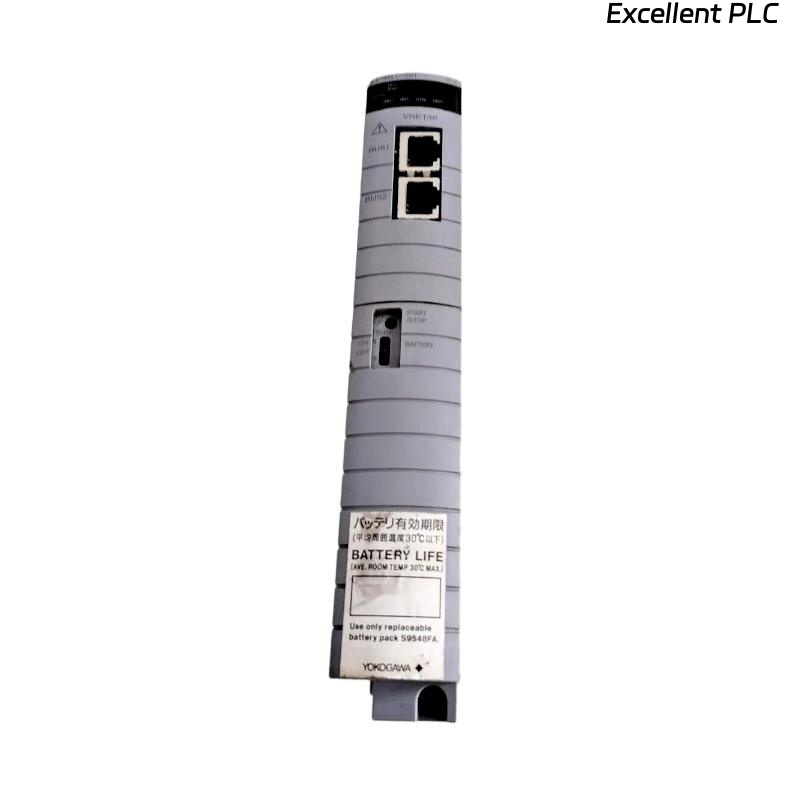
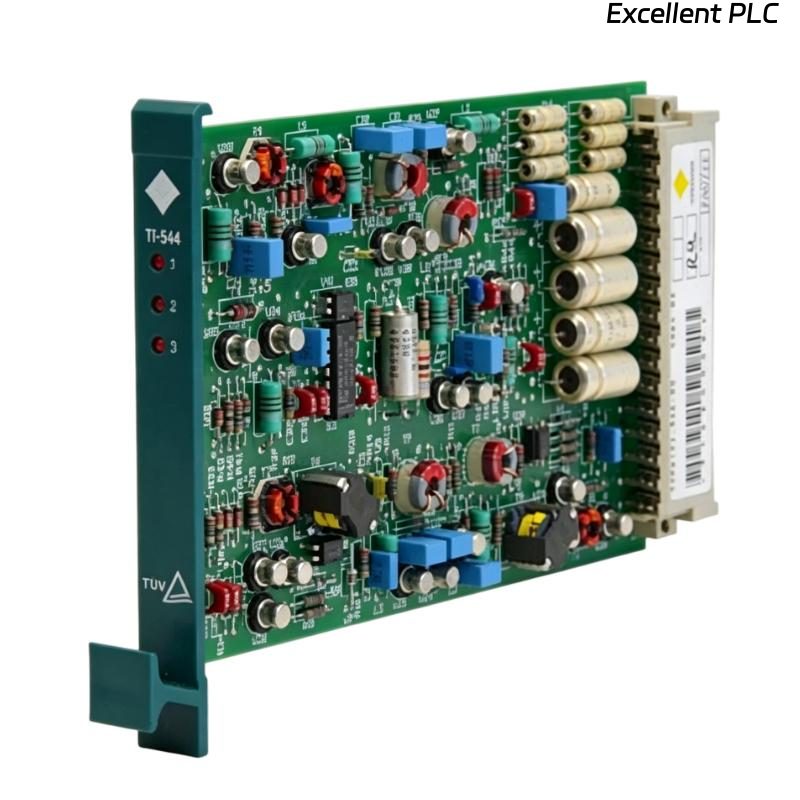
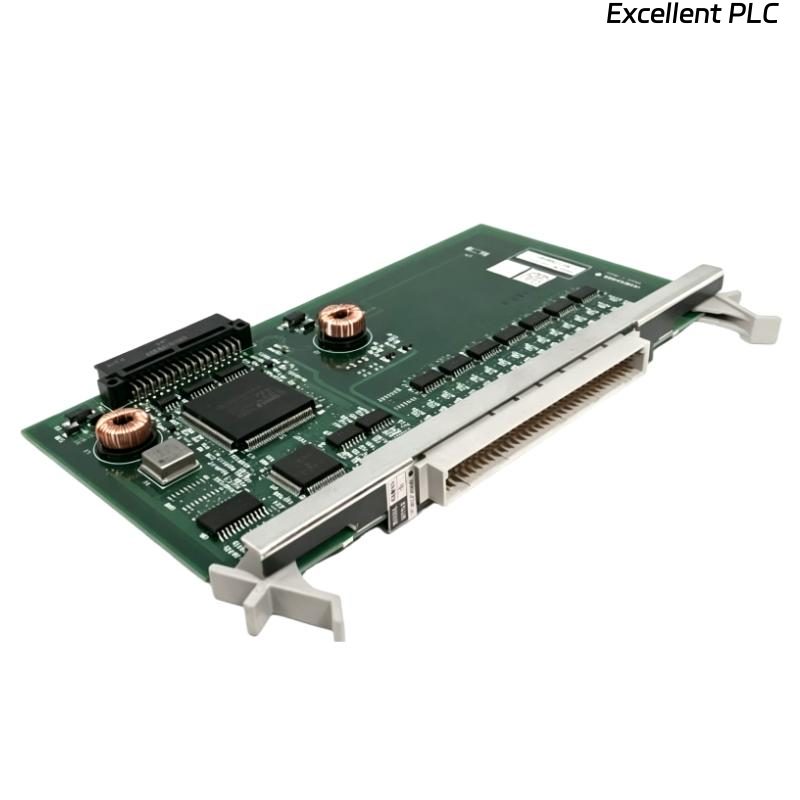
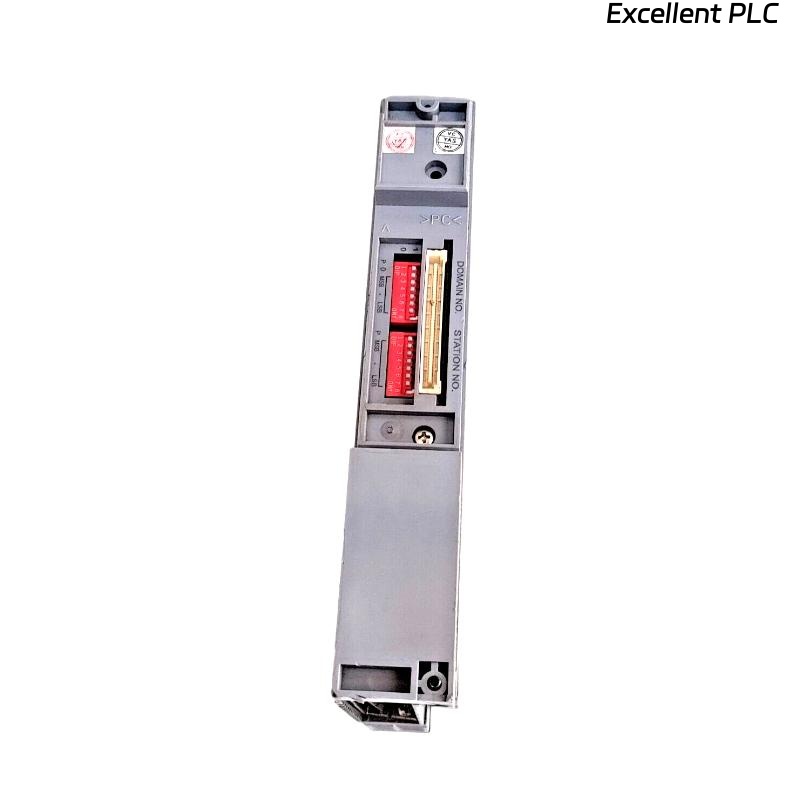
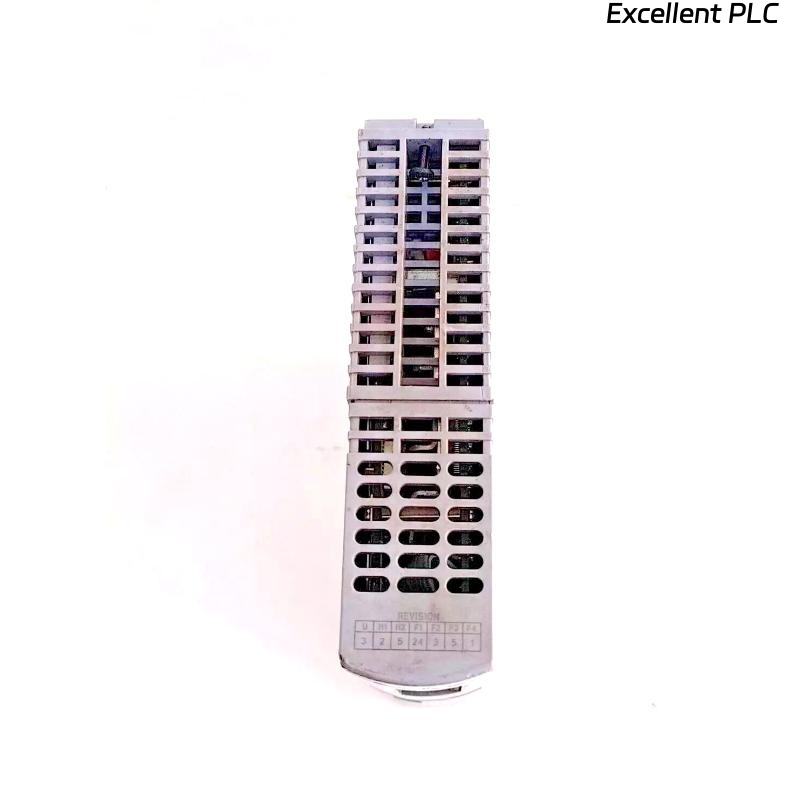
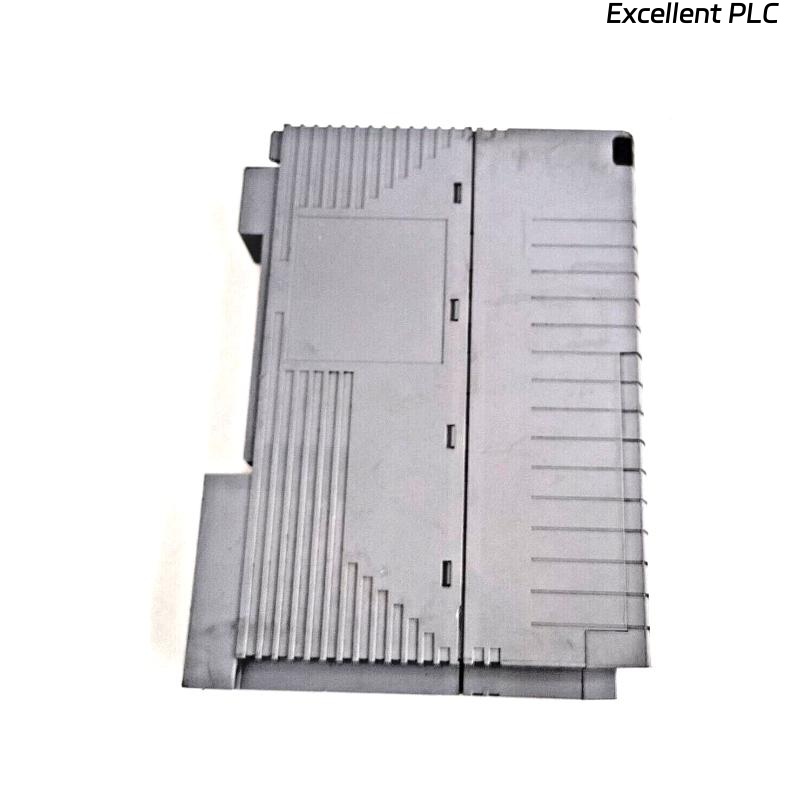
Yokogawa CP461-50 S1 Processor Module
- Product Details
- FAQs
- Related
- Contact Us
- Packing & Delivery
- Product Ratings
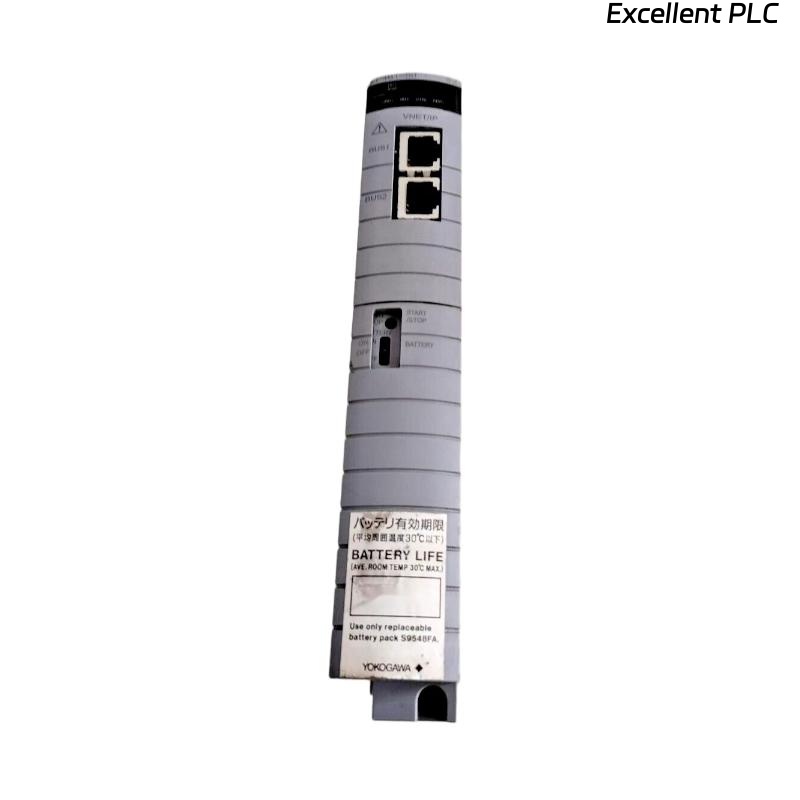
Product Overview
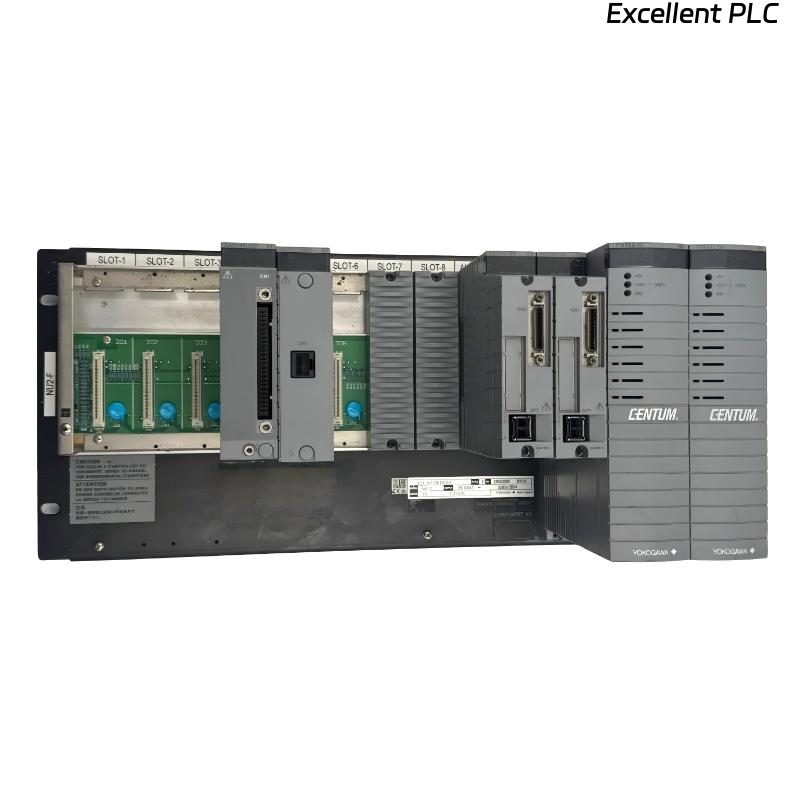
The Yokogawa CP461-50 S1 is a high-performance processor module designed for use in Yokogawa’s control systems. It ensures reliable processing power, robust system integration, and enhanced operational efficiency for critical industrial applications.
Technical Specifications
| Parameter | Value |
|---|---|
| Model | CP461-50 S1 |
| Type | Processor Module |
| Dimensions (W x H x D) | 32.8 x 149 x 199.5 mm |
| Weight | 0.7 kg |
| Power Supply | From base system backplane |
| Operating Temperature | 0 to 55 °C |
| Storage Temperature | -20 to 70 °C |
| Relative Humidity | 5 to 95% non-condensing |
| Mounting | Mounted on system rack |
| Function | Central processing & control |
FAQs
Q1: What is the main function of the CP461-50 S1 Processor Module?
A1: It serves as the central processing unit for Yokogawa’s control systems, executing logic, communication, and system control tasks.
Q2: Is the CP461-50 S1 compatible with legacy Yokogawa systems?
A2: Yes, it is designed for compatibility within the CENTUM series architecture, ensuring smooth integration with existing systems.
Q3: What communication protocols does this module support?
A3: It supports standard industrial protocols through the system backplane and configured I/O modules, enabling seamless connectivity.
Q4: How does the CP461-50 S1 ensure system reliability?
A4: It employs redundant architecture options, self-diagnostics, and error-checking mechanisms to maintain continuous operation.
Q5: What is the recommended operating environment?
A5: The module should operate in a controlled environment with a temperature range of 0–55 °C and relative humidity of 5–95%.
Q6: How is the CP461-50 S1 powered?
A6: It is powered through the system backplane, eliminating the need for a direct external power supply.
Q7: Can the CP461-50 S1 be hot-swapped during operation?
A7: In most system configurations, modules can be replaced with minimal downtime, depending on redundancy setup.
Q8: What diagnostic functions are available?
A8: The module features built-in diagnostics for hardware faults, communication errors, and system performance monitoring.
Q9: How does it contribute to system scalability?
A9: By adding processor modules, system capacity can be expanded to handle more I/O and complex process control requirements.
Q10: What industries typically use the CP461-50 S1?
A10: It is widely used in power generation, petrochemical plants, oil & gas, and manufacturing automation sectors.
Related and Similar Models
| Model | Type | Dimensions (mm) | Weight |
|---|---|---|---|
| CP451-10 | Processor Module | 32.8 x 149 x 199.5 | 0.7 kg |
| CP451-50 | Processor Module | 32.8 x 149 x 199.5 | 0.7 kg |
| CP461-10 | Processor Module | 32.8 x 149 x 199.5 | 0.7 kg |
| CP461-11 | Processor Module | 32.8 x 149 x 199.5 | 0.7 kg |
| CP461-51 | Processor Module | 32.8 x 149 x 199.5 | 0.7 kg |
| CP471-10 | Processor Module | 32.8 x 149 x 199.5 | 0.7 kg |
Popular Yokogawa Models
| Model | Type | Dimensions (mm) | Weight |
|---|---|---|---|
| AAI143-S50 | Analog Input Module | 27.2 x 130 x 156 | 0.4 kg |
| ADV151-P50 | Communication Module | 32.8 x 149 x 199.5 | 0.6 kg |
| AAI141-H50 | Analog Input Module | 27.2 x 130 x 156 | 0.4 kg |
| CP345 | Processor Module | 32.8 x 149 x 199.5 | 0.7 kg |
| AAR181-S50 | Analog Output Module | 27.2 x 130 x 156 | 0.4 kg |
| PW482-10 | Power Supply Module | 32.8 x 149 x 199.5 | 0.9 kg |
FAQs
Q1: What is the main function of the CP461-50 S1 Processor Module?
A1: It serves as the central processing unit for Yokogawa’s control systems, executing logic, communication, and system control tasks.
Q2: Is the CP461-50 S1 compatible with legacy Yokogawa systems?
A2: Yes, it is designed for compatibility within the CENTUM series architecture, ensuring smooth integration with existing systems.
Q3: What communication protocols does this module support?
A3: It supports standard industrial protocols through the system backplane and configured I/O modules, enabling seamless connectivity.
Q4: How does the CP461-50 S1 ensure system reliability?
A4: It employs redundant architecture options, self-diagnostics, and error-checking mechanisms to maintain continuous operation.
Q5: What is the recommended operating environment?
A5: The module should operate in a controlled environment with a temperature range of 0–55 °C and relative humidity of 5–95%.
Q6: How is the CP461-50 S1 powered?
A6: It is powered through the system backplane, eliminating the need for a direct external power supply.
Q7: Can the CP461-50 S1 be hot-swapped during operation?
A7: In most system configurations, modules can be replaced with minimal downtime, depending on redundancy setup.
Q8: What diagnostic functions are available?
A8: The module features built-in diagnostics for hardware faults, communication errors, and system performance monitoring.
Q9: How does it contribute to system scalability?
A9: By adding processor modules, system capacity can be expanded to handle more I/O and complex process control requirements.
Q10: What industries typically use the CP461-50 S1?
A10: It is widely used in power generation, petrochemical plants, oil & gas, and manufacturing automation sectors.
Related and Similar Models
| Model | Type | Dimensions (mm) | Weight |
|---|---|---|---|
| CP451-10 | Processor Module | 32.8 x 149 x 199.5 | 0.7 kg |
| CP451-50 | Processor Module | 32.8 x 149 x 199.5 | 0.7 kg |
| CP461-10 | Processor Module | 32.8 x 149 x 199.5 | 0.7 kg |
| CP461-11 | Processor Module | 32.8 x 149 x 199.5 | 0.7 kg |
| CP461-51 | Processor Module | 32.8 x 149 x 199.5 | 0.7 kg |
| CP471-10 | Processor Module | 32.8 x 149 x 199.5 | 0.7 kg |
Popular Yokogawa Models
| Model | Type | Dimensions (mm) | Weight |
|---|---|---|---|
| AAI143-S50 | Analog Input Module | 27.2 x 130 x 156 | 0.4 kg |
| ADV151-P50 | Communication Module | 32.8 x 149 x 199.5 | 0.6 kg |
| AAI141-H50 | Analog Input Module | 27.2 x 130 x 156 | 0.4 kg |
| CP345 | Processor Module | 32.8 x 149 x 199.5 | 0.7 kg |
| AAR181-S50 | Analog Output Module | 27.2 x 130 x 156 | 0.4 kg |
| PW482-10 | Power Supply Module | 32.8 x 149 x 199.5 | 0.9 kg |

| Company Information | ||||||||
| [email protected] | ||||||||
| Mobile | +8613666033393 | |||||||
| +8613666033393 | ||||||||
| 13666033393 | ||||||||
| Add | Room 1004, No. 62 Xiangxiu Li, Siming District, Xiamen City, Fujian Province, China | |||||||
Excellent PLC Co., Ltd. has a large number of brand new and original PLC and DCS spare parts, with more than 60 cooperative countries. All products are guaranteed for 1 year and delivered to you by high-quality express. We are committed to using the best products and the most favorable prices to meet the needs and friendship of our customers. We have won the trust of thousands of customers, including these excellent customers.

As for the delivery time, when we receive your order requirements, we will arrange for warehouse personnel to test and verify the products. After you place the order, we will send it to you within 24 hours.
Click to rate this post!
[Total: 0 Average: 0]