Excellent PLC


| Company Information | ||||||||
| [email protected] | ||||||||
| Mobile | +8613666033393 | |||||||
| +8613666033393 | ||||||||
| 13666033393 | ||||||||
| Add | Room 1004, No. 62 Xiangxiu Li, Siming District, Xiamen City, Fujian Province, China | |||||||
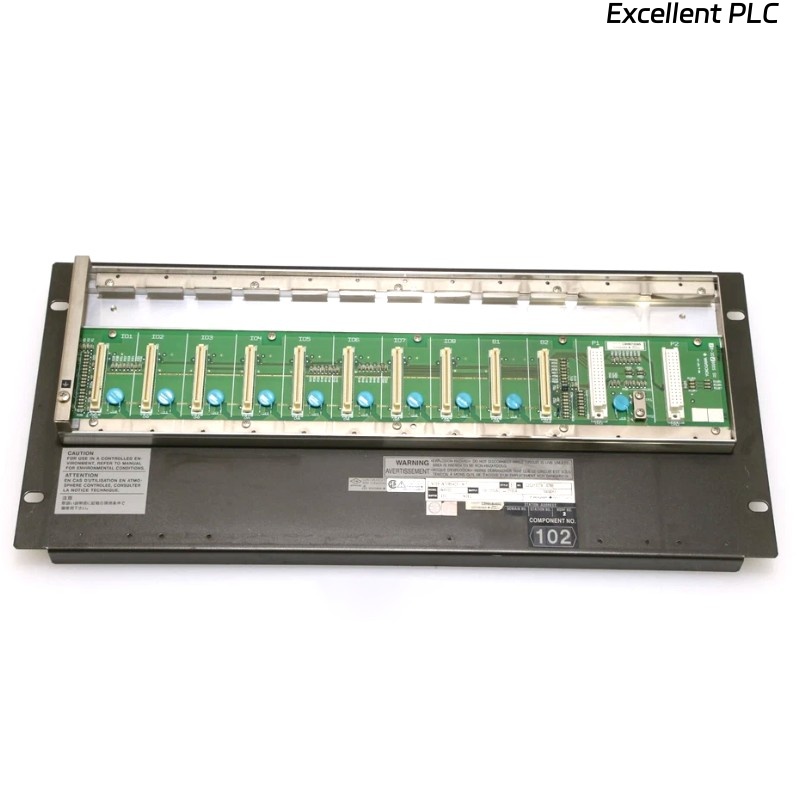
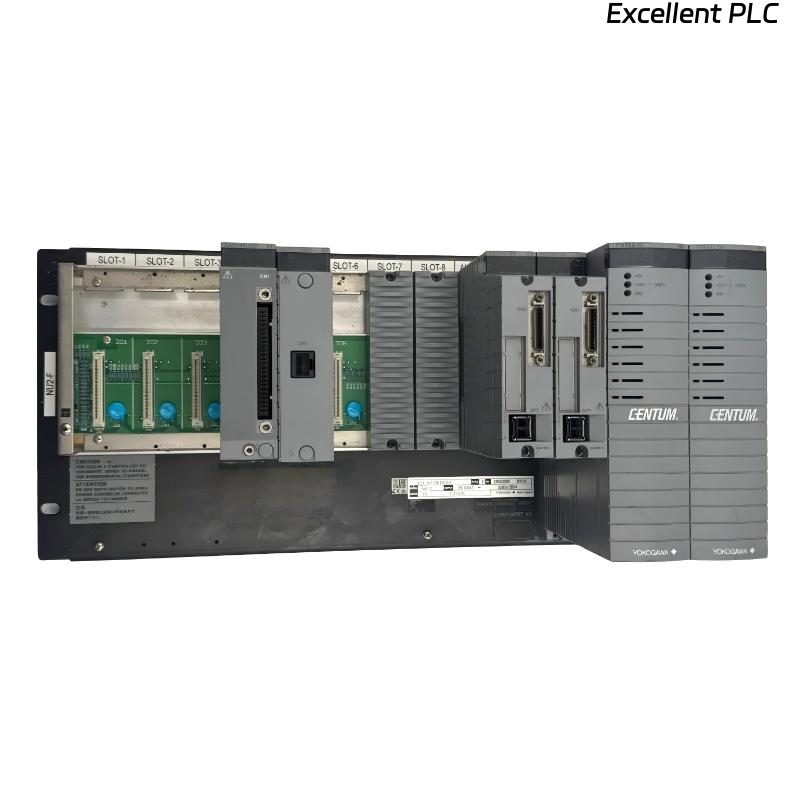
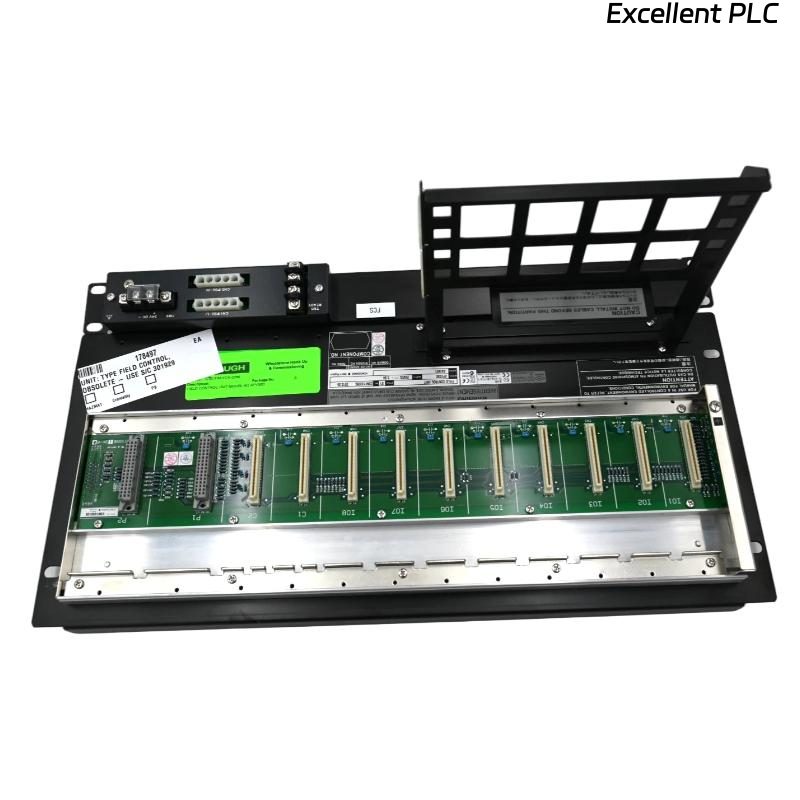
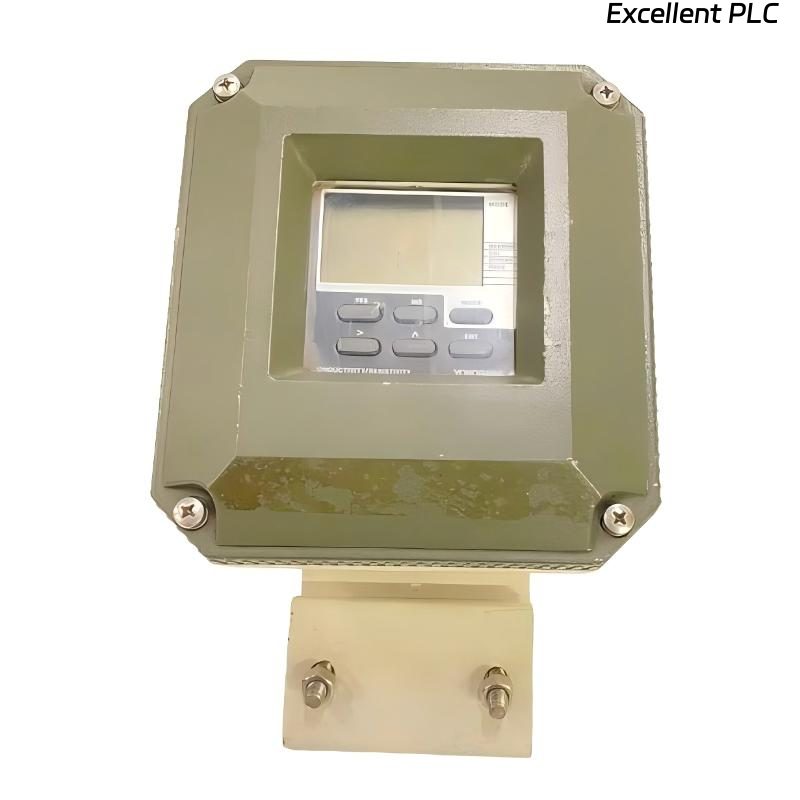
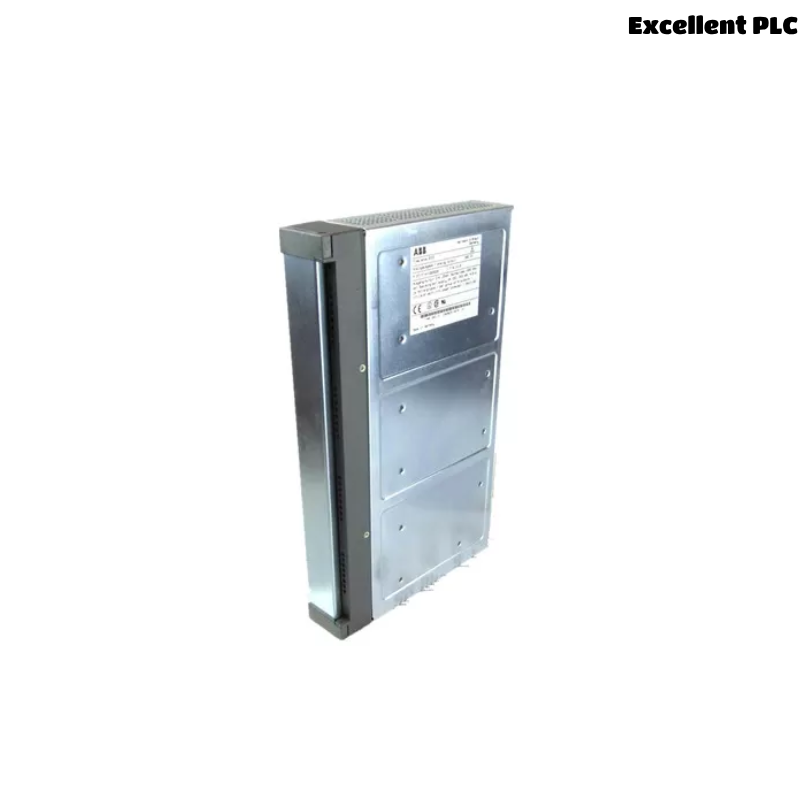
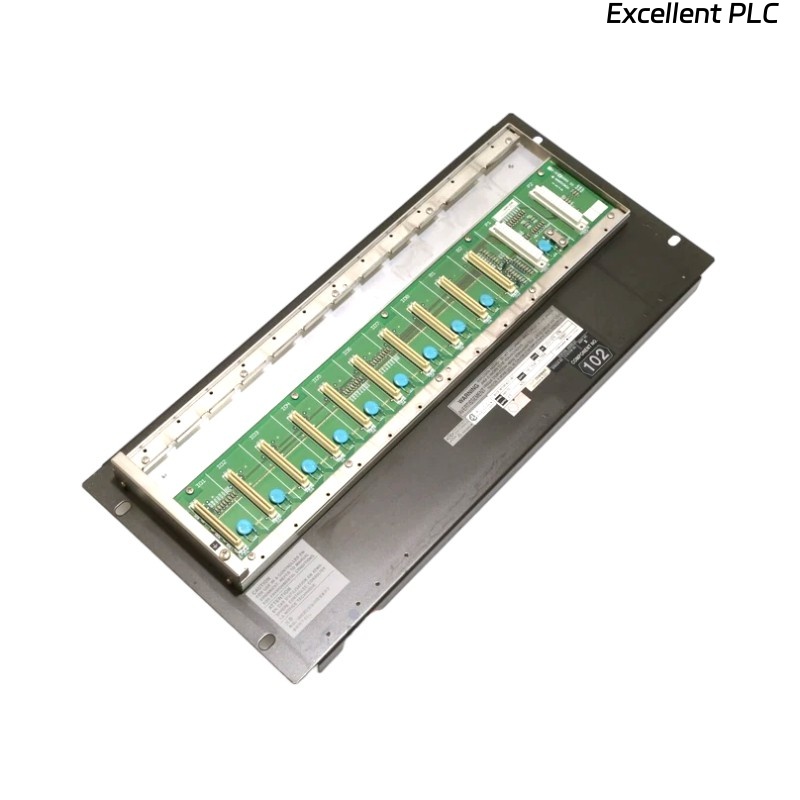
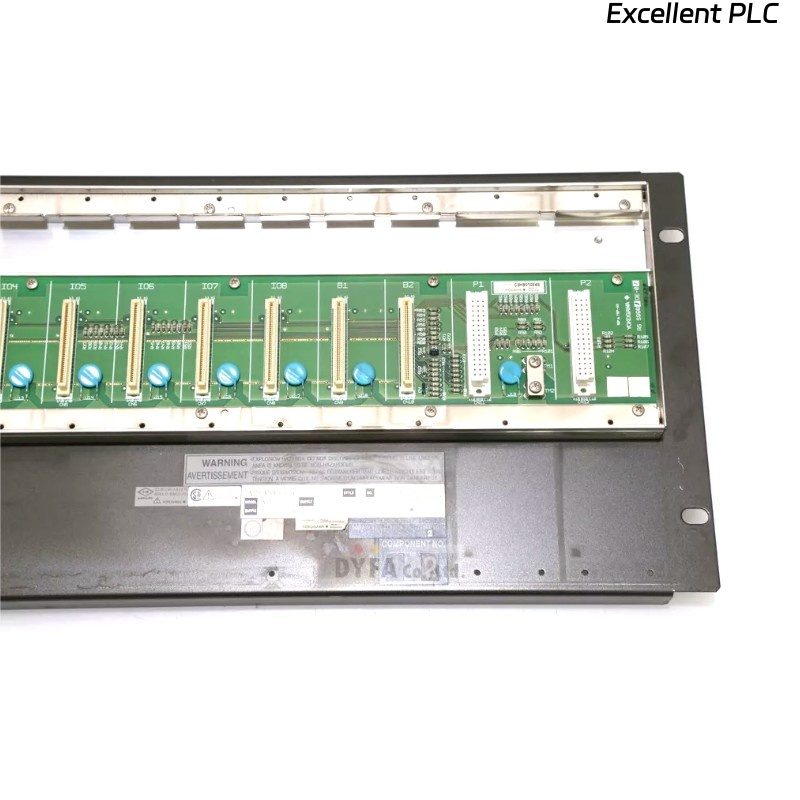
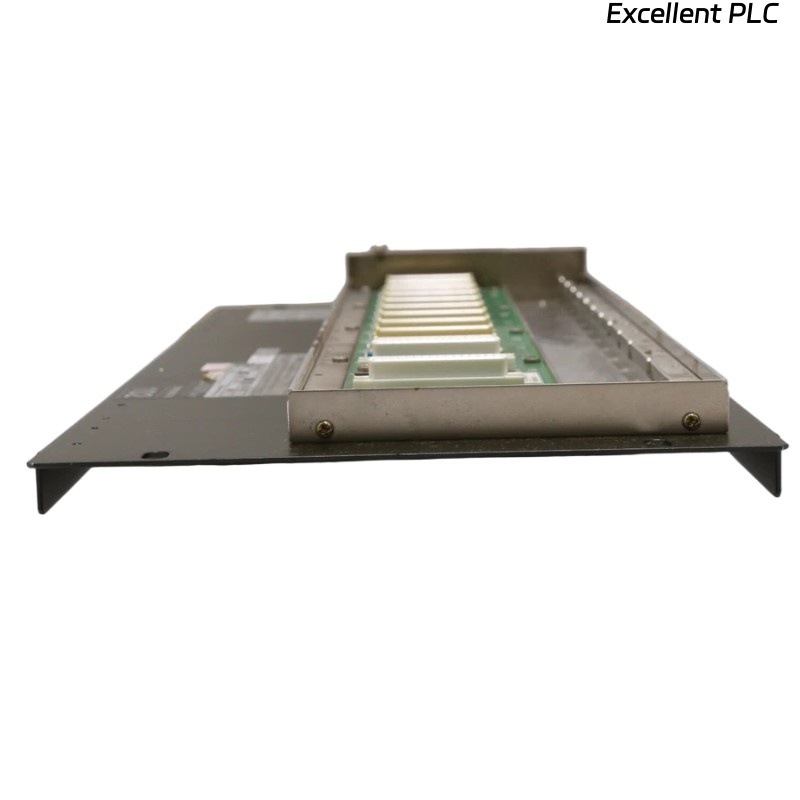
Yokogawa ANR10D-423 ER Bus Node Unit
- Product Details
- FAQs
- Related
- Contact Us
- Packing & Delivery
- Product Ratings
Product Overview
The Yokogawa ANR10D-423 ER Bus Node Unit is a modular I/O unit designed for integration into Yokogawa’s ER Bus-based control systems. It facilitates communication between field devices and higher-level controllers, supporting industrial automation applications requiring high reliability and real-time performance.
Key Features
-
Supports ER Bus communication protocol.
-
Modular design for flexible system integration.
-
High noise immunity and durability in harsh environments.
-
Compatible with Yokogawa’s range of I/O modules and controllers.
Specifications
| Parameter | Specification |
|---|---|
| Communication Protocol | ER Bus |
| Power Supply | 24 VDC (±10%) |
| Operating Temperature | 0–55°C |
| Storage Temperature | -25–70°C |
| Dimensions | 482.6 × 221.5 × 205 mm |
| Weight | 10 kg |
| Protection Class | IP20 |
| Mounting | DIN rail |
Applications
-
Process automation in chemical, pharmaceutical, and oil & gas industries.
-
Distributed I/O systems for real-time data acquisition and control.
-
Integration with Yokogawa FA-M3, PLC, and DCS platforms.
-
Factory automation and machine control applications.
Advantages
-
Reliability: Designed for continuous operation in industrial environments.
-
Compatibility: Seamless integration with Yokogawa’s automation products.
-
Scalability: Modular architecture allows easy system expansion.
-
Maintenance: Hot-swappable modules reduce downtime during replacements.
FAQ
1. What communication protocols does the ANR10D-423 support?
It exclusively supports Yokogawa’s ER Bus protocol for deterministic real-time communication.
2. Is the unit compatible with non-Yokogawa controllers?
No, it is designed for use within Yokogawa’s ecosystem and requires Yokogawa-specific controllers.
3. Can it operate in high-noise environments?
Yes, it features high noise immunity suitable for industrial settings.
4. What is the maximum number of I/O modules per node?
This depends on the controller configuration; refer to the system design manual for details.
5. Does it support hot swapping?
Yes, modules can be replaced without powering down the system.
6. How is the unit powered?
It requires a 24 VDC power supply with ±10% tolerance.
7. Is firmware upgradeable?
Firmware updates are possible but require Yokogawa-specific tools and procedures.
8. What diagnostics are available?
Status LEDs indicate power, communication, and error conditions.
9. Can it be used in redundant configurations?
Redundancy depends on the controller and network architecture, not the node unit itself.
10. What certifications does it hold?
It complies with CE, UL, and IEC standards for industrial equipment.
Recommended Related Models
| Model | Description |
|---|---|
| ANR10D-421 | ER Bus Node Unit, 32-point I/O capacity |
| ANR10D-424 | ER Bus Node Unit with extended diagnostics |
| ANR10D-425 | High-density digital I/O node unit |
| ANR10D-426 | Analog I/O focused node unit |
| ANR10D-427 | Mixed I/O node with enhanced communication |
| ANR10D-428 | ER Bus Node for safety-critical applications |
Popular Yokogawa Models
| Model | Description |
|---|---|
| FA-M3V | Versatile PLC controller |
| UTAdvanced | Human Machine Interface (HMI) |
| DX2000 | Distributed Process Controller |
| EJX110A | Differential Pressure Transmitter |
| ISC40G | Signal Conditioner |
| SENEZION AX100 | IoT Gateway for industrial data |
FAQ
1. What communication protocols does the ANR10D-423 support?
It exclusively supports Yokogawa’s ER Bus protocol for deterministic real-time communication.
2. Is the unit compatible with non-Yokogawa controllers?
No, it is designed for use within Yokogawa’s ecosystem and requires Yokogawa-specific controllers.
3. Can it operate in high-noise environments?
Yes, it features high noise immunity suitable for industrial settings.
4. What is the maximum number of I/O modules per node?
This depends on the controller configuration; refer to the system design manual for details.
5. Does it support hot swapping?
Yes, modules can be replaced without powering down the system.
6. How is the unit powered?
It requires a 24 VDC power supply with ±10% tolerance.
7. Is firmware upgradeable?
Firmware updates are possible but require Yokogawa-specific tools and procedures.
8. What diagnostics are available?
Status LEDs indicate power, communication, and error conditions.
9. Can it be used in redundant configurations?
Redundancy depends on the controller and network architecture, not the node unit itself.
10. What certifications does it hold?
It complies with CE, UL, and IEC standards for industrial equipment.
Recommended Related Models
| Model | Description |
|---|---|
| ANR10D-421 | ER Bus Node Unit, 32-point I/O capacity |
| ANR10D-424 | ER Bus Node Unit with extended diagnostics |
| ANR10D-425 | High-density digital I/O node unit |
| ANR10D-426 | Analog I/O focused node unit |
| ANR10D-427 | Mixed I/O node with enhanced communication |
| ANR10D-428 | ER Bus Node for safety-critical applications |
Popular Yokogawa Models
| Model | Description |
|---|---|
| FA-M3V | Versatile PLC controller |
| UTAdvanced | Human Machine Interface (HMI) |
| DX2000 | Distributed Process Controller |
| EJX110A | Differential Pressure Transmitter |
| ISC40G | Signal Conditioner |
| SENEZION AX100 | IoT Gateway for industrial data |

| Company Information | ||||||||
| [email protected] | ||||||||
| Mobile | +8613666033393 | |||||||
| +8613666033393 | ||||||||
| 13666033393 | ||||||||
| Add | Room 1004, No. 62 Xiangxiu Li, Siming District, Xiamen City, Fujian Province, China | |||||||
Excellent PLC Co., Ltd. has a large number of brand new and original PLC and DCS spare parts, with more than 60 cooperative countries. All products are guaranteed for 1 year and delivered to you by high-quality express. We are committed to using the best products and the most favorable prices to meet the needs and friendship of our customers. We have won the trust of thousands of customers, including these excellent customers.

As for the delivery time, when we receive your order requirements, we will arrange for warehouse personnel to test and verify the products. After you place the order, we will send it to you within 24 hours.
Click to rate this post!
[Total: 0 Average: 0]