 Excellent PLC


By Eric Lawson – Commissioning Engineer
This was one of those jobs where nothing was technically “wrong,” but everything felt off.
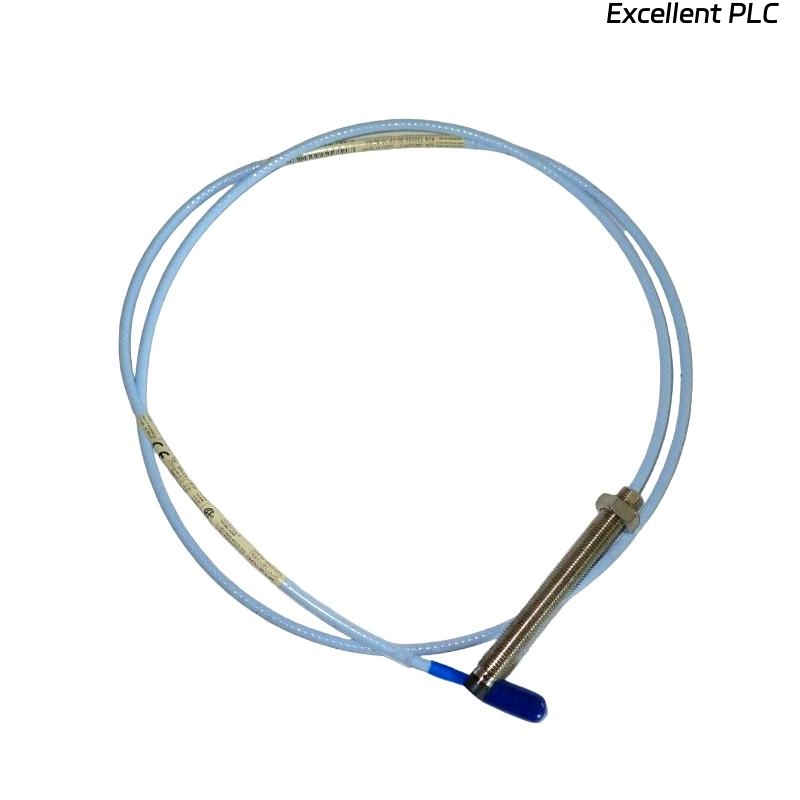
We replaced a proximity probe on a legacy rack. Same part number, same mounting location. Or so we thought. The probe was a Bently Nevada 164517-025-10-02-00, installed on a 3300 system that had been running for years.
The numbers came back different.
What Changed After Replacement
-
Vibration levels slightly higher than before
-
Signal stable, no noise, no dropouts
-
Phase angle consistent
-
Machine behavior unchanged
From the system’s point of view, everything looked healthy. From the maintenance team’s point of view, something wasn’t right.
What I Assumed (Wrongly)
My first thought was simple:
New probe, factory calibrated. Should be fine.
That assumption cost us time.
Where the Mismatch Came From
The issue wasn’t the probe. It was the system assumptions around it.
-
The rack configuration was based on an older probe generation
-
Sensitivity values were never updated
-
Historical baselines were tied to the old probe’s response
The new probe was accurate. The system expectations were outdated.
How We Verified It
-
Measured probe output voltage at known gaps
-
Compared response curve to rack configuration
-
Reviewed original commissioning notes
Once we aligned the configuration with the probe characteristics, the data made sense again.
What Fixed the Problem
-
Updated scale factors in the monitoring system
-
Re-established baseline vibration levels
-
Documented probe replacement details properly
No mechanical work required. No sensor swap. Just configuration discipline.
What I Took Away From This Job
-
“Same part number” doesn’t always mean “same behavior”
-
Legacy systems carry hidden assumptions
-
New hardware needs new baselines
-
Trust measurements—but verify context
Final Reflection
The Bently Nevada 164517-025-10-02-00 worked exactly as intended. The confusion came from treating an old system like it understood new hardware automatically.
It doesn’t.
Now I know better.
— Eric