Excellent PLC


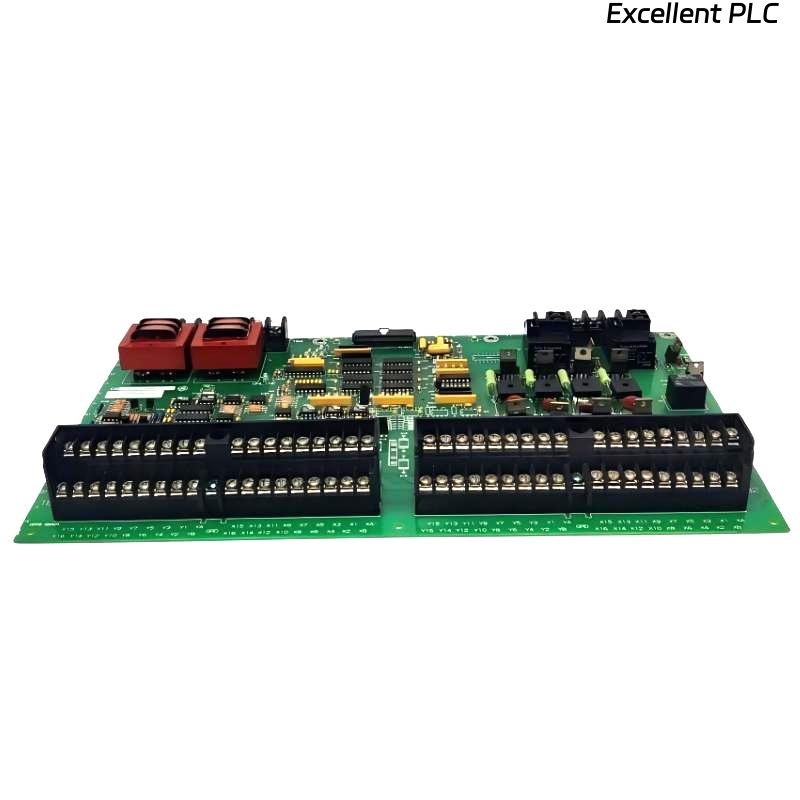
The ABB 007 204-007-000-102 U/I module is a combined voltage/current signal interface module widely used in ABB legacy and transitional control systems.
In practice, this module is often exposed to mixed field wiring conditions, making it prone to both electrical stress and configuration-related issues.
This article focuses on practical fault behavior, repair versus replacement judgment, and correct installation and configuration practices.
Typical Field Fault Symptoms
The most common issues reported with this U/I module include:
-
Analog signal present in the field but missing at the controller
-
Incorrect scaling after system restart
-
Channel works in voltage mode but fails in current mode
-
Intermittent readings affected by cabinet temperature
-
Module recognized by the system but channel status marked “invalid”
These faults are often misdiagnosed as sensor or controller problems.
Common Hardware Failure Points
From repair experience, the vulnerable areas are usually:
-
Input conditioning resistors damaged by overcurrent
-
Mode-selection circuitry stressed by incorrect wiring (V wired into I loop)
-
Terminal oxidation causing unstable reference
-
Internal reference drift due to thermal aging
Unlike pure AI modules, U/I modules suffer more frequently from wiring misuse.
Preliminary Checks Before Replacement
Before removing the module, engineers should verify:
-
Field wiring matches selected mode (voltage or current)
-
No external power applied to passive current inputs
-
Shield grounding performed on one side only
-
Channel configuration consistent with wiring
In many cases, correcting wiring restores normal operation.
Repair vs Replacement Considerations
-
Burnt input resistors or damaged conditioning circuits are not reliably repairable onsite
-
Minor terminal oxidation can be cleaned during refurbishment
-
For safety-critical or regulated systems, replacement is recommended
-
Repaired modules should only be used for non-critical loops
The module should not be “repaired and trusted” without full functional validation.
Correct Installation Procedure
When installing a new or refurbished 007 204-007-000-102 module:
-
Power down the I/O rack
-
Observe ESD protection
-
Verify jumper or software selection for U or I mode
-
Insert the module evenly without lateral force
-
Tighten terminal screws to specified torque
-
Re-verify field wiring polarity before power-up
Never change U/I mode with the module energized.
Typical Configuration Example (Conceptual)
Depending on the ABB control platform, configuration is usually done via I/O assignment or engineering tools.
Example (conceptual):
Important notes:
-
Software mode must match physical wiring
-
Incorrect mode selection may not generate immediate alarms
-
Filtering should be conservative for safety-related signals
Scaling and Validation Logic Example
To detect abnormal input behavior, basic validation logic is often applied:
This logic catches wiring faults and sensor loop failures early.
Commissioning Test Recommendations
After installation:
-
Simulate minimum and maximum signal values
-
Verify controller scaling matches engineering units
-
Monitor signal stability for at least one thermal cycle
-
Document channel mode and wiring method
Skipping commissioning tests is a common source of future troubleshooting.
Practical Engineering Note
The ABB 007 204-007-000-102 U/I module is reliable when respected, but unforgiving when miswired.
Most failures attributed to “module defect” are actually caused by mode mismatch or wiring assumptions.
Treat U/I modules as interface contracts, not generic inputs.