 Excellent PLC


Author: Emily Chen, Field Automation Engineer, 15+ Years in ABB S800 Systems
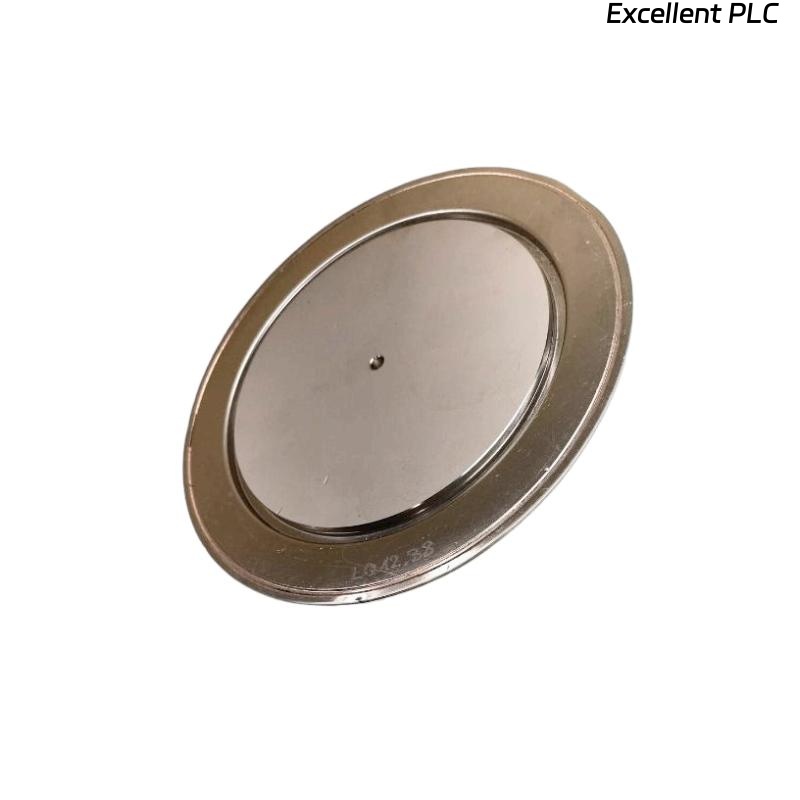
The ABB 07 BA 60 R1 blank slot might seem trivial, but proper handling is crucial to system reliability, airflow management, and electrical safety. Many field issues arise from incorrect installation of empty slots rather than active modules.
1. Why the Blank Slot Matters
-
Provides mechanical support for the rack
-
Maintains airflow for temperature regulation
-
Protects unused backplane connectors from dust and debris
-
Prevents accidental short circuits or foreign object intrusion
Pro Tip: Treat blank slots as “active components” in terms of handling—they directly impact surrounding modules.
2. Preparation Before Installation
-
Power Down: Always isolate the entire rack power. Hot-insertion of blank slots is not recommended.
-
Inspect Slot: Check for bent pins, debris, oxidation, or signs of previous module removal.
-
ESD Protection: Wrist straps and ESD mats are mandatory when touching the backplane.
-
Labeling: Document which slots are blank for future maintenance or expansion.
3. Installation Procedure
-
Align the blank slot with the backplane connector vertically
-
Insert evenly, applying gentle pressure—never tilt or twist
-
Ensure the mounting screws or latches engage securely
-
Verify the slot is flush with the neighboring modules
-
Re-check backplane contacts visually before restoring power
Tip: Some technicians insert a small insulating card inside the blank slot’s rear to prevent dust accumulation.
4. Rack Management Best Practices
-
Airflow: Ensure blank slots are installed to maintain consistent airflow across the rack. Avoid leaving gaps that create hot zones.
-
Temperature Monitoring: Use thermal imaging to identify hotspots. Blank slots prevent airflow bypass.
-
Expansion Planning: Keep a log of which slots are blank for future module upgrades.
-
Grounding & Shielding: Even blank slots need proper metal-to-metal contact to maintain backplane grounding continuity.
Check Example:
5. Common Field Mistakes
-
Leaving blank slots uninstalled → dust, corrosion, or airflow loss
-
Over-tightening screws → warps the backplane connector
-
Re-using damaged blank slot panels → poor mechanical stability
-
Ignoring grounding → creates intermittent faults in adjacent I/O modules
Observation: Roughly 20% of intermittent I/O faults in field reports can be traced back to poor blank slot management.
6. Maintenance Checks
-
Quarterly visual inspection of blank slots
-
Clean dust accumulation using ESD-safe brushes or compressed air
-
Confirm slot tightness and metal contact with adjacent modules
-
Track environmental conditions (temperature, humidity) that could accelerate corrosion
7. Installation & Removal Example Code Snippet
For rack configuration software, blank slots can be logged for monitoring or future automated assignment:
This ensures that software and operators are aware of all unused slots and prevents accidental configuration attempts.
8. Field Notes
-
Blank slots may seem trivial, but improper installation can stress adjacent active modules
-
Proper handling ensures long-term reliability and reduces unexpected shutdowns
-
Always treat blank slots as critical for rack airflow, grounding, and mechanical stability