 Excellent PLC


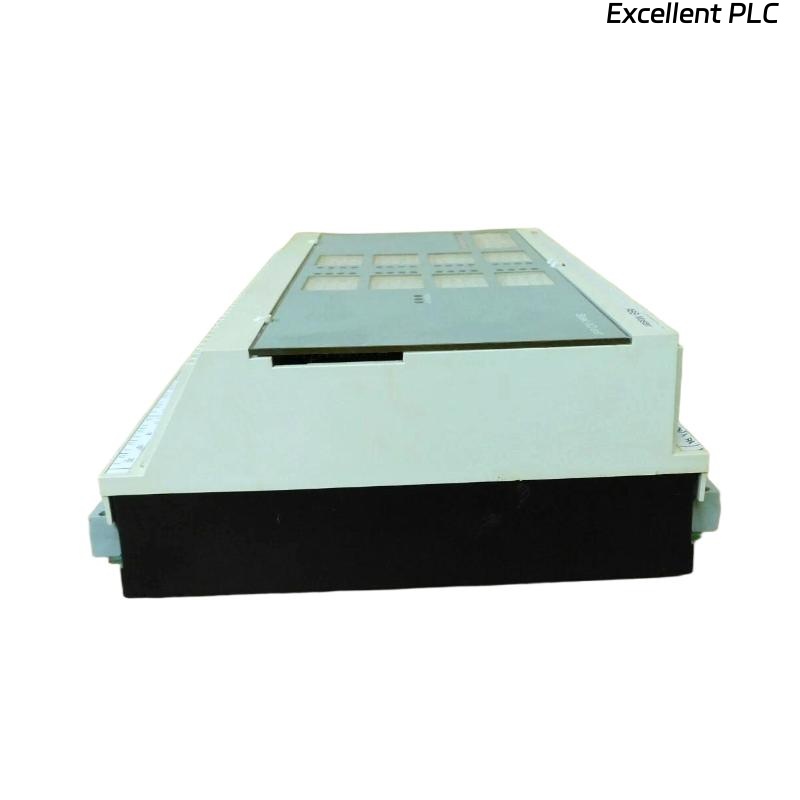
ABB 07 EA 66 R1 (GJV3074354R1)
Troubleshooting Water Damage and System Errors on Analog Input Module
The ABB 07 EA 66 R1 (GJV3074354R1) is a precision analog input module used in ABB automation systems. Exposure to water or high humidity can cause system errors, unexpected faults, or complete module failure. This guide provides a step-by-step troubleshooting methodology, including engineering logic examples, for safely diagnosing and mitigating water-related faults.
1. Immediately Power Down the Module
Water ingress can lead to short circuits and permanent damage.
Recommended Actions:
-
Disconnect power to the rack immediately
-
Remove the module from the backplane if safe to do so
-
Do not attempt to power on while moisture is present
Safety Check Logic
2. Visual Inspection and Drying
After powering down, inspect the module:
-
Check for visible moisture or corrosion on connectors and PCB
-
Remove module from rack and allow controlled drying:
-
Use desiccant or dry room environment
-
Avoid direct heat sources
-
Engineering Note: Do not attempt to use heat guns or ovens above ABB recommended temperatures.
3. Inspect LED Status After Drying
Once the module is dry:
-
Reinstall the module in the backplane
-
Power up the system
-
Observe LED indicators:
-
Power LED – module receives voltage
-
Fault LED – indicates internal issues
-
4. Check Configuration and Communication
Water damage may affect module memory or internal configuration:
-
Verify module type is correctly defined (07 EA 66 R1)
-
Confirm system recognizes all channels
-
Check communication with PLC/DCS
5. Inspect Field Wiring and Input Signals
After water-related events, wiring and sensor connections may also be compromised:
-
Inspect terminal blocks for corrosion
-
Verify signal type (4–20 mA / 0–10 V)
-
Test each channel with a known-good signal source
6. Module Isolation Testing
If errors persist after drying and wiring checks:
-
Replace the module with a known-good spare
-
Check if the system error follows the module
7. Environmental Mitigation for Future Protection
Water ingress should be prevented in the future:
-
Ensure the cabinet is sealed and IP-rated for your environment
-
Install dehumidifiers or controlled environment if in high-humidity areas
-
Avoid direct exposure to water or condensation
8. When to Replace the Module
If the module continues to report faults after drying, testing, and configuration verification:
-
Replacement with a new or tested spare is recommended
-
Contact ABB-certified service for inspection if module is critical
-
Maintain a tested spare module in high-risk environments
Conclusion
Water ingress can cause serious faults on the ABB 07 EA 66 R1 analog input module, including system errors, signal loss, and internal damage. By following a step-by-step troubleshooting procedure—including powering down, drying, visual inspection, wiring check, signal verification, and module isolation—engineers can minimize damage and restore system operation safely. Preventive environmental measures are crucial to avoid recurrence.