 Excellent PLC


Quick Access
- Fault Overview
- Typical Fault Patterns
- Hidden Root Causes
- Fault Diagnosis Workflow
- Real Industrial Case
- Repair Strategy
- System Improvement
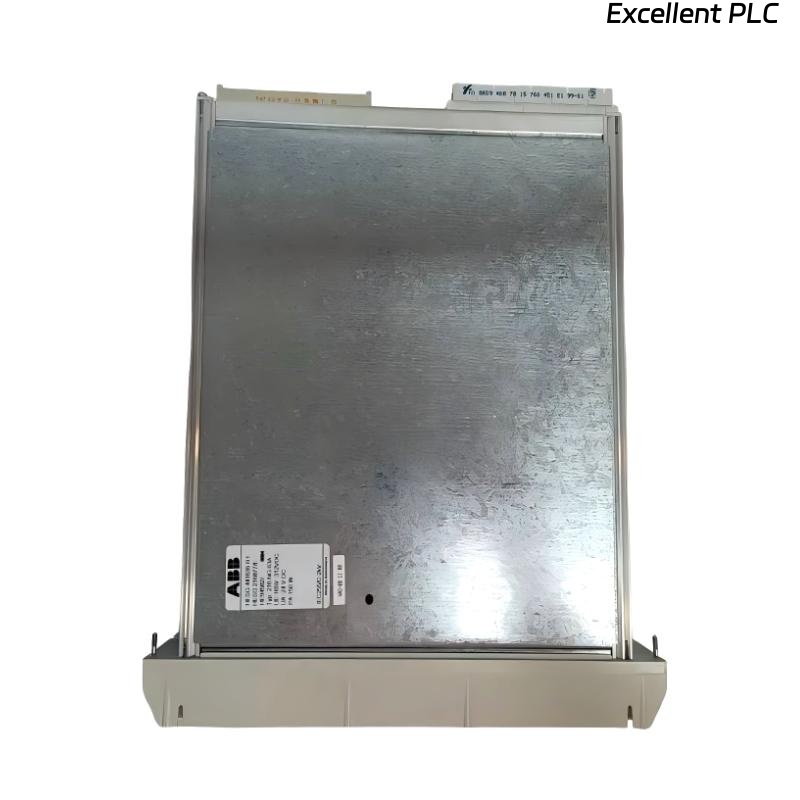
ABB 216NG63 Power Supply Fault Troubleshooting Overview
ABB 216NG63 power supply faults often appear as PLC instability, but the real issue is usually voltage drop or transient load impact. This Troubleshooting guide explains how to perform accurate Fault Diagnosis in industrial environments.
ABB 216NG63 Power Fault Symptom Patterns
- PLC Controller enters STOP mode randomly
- I/O modules disconnect under peak load
- System runs normally during idle but fails under production load
- Voltage fluctuates during motor startup
These symptoms typically indicate power instability rather than PLC failure.
Common Causes of ABB 216NG63 Power Supply Fault
- Dynamic load exceeding rated output
- Voltage sag due to long cable distance
- Shared grounding causing interference
- Loose terminals increasing resistance
- Improper Setup during initial installation
ABB PLC Power Module Fault Diagnosis Workflow
Instead of replacing modules immediately, follow this structured Troubleshooting process.
- Measure idle output voltage
- Simulate load conditions
- Monitor voltage drop during load spikes
- Inspect wiring and grounding
- Isolate PLC Controller from other loads
READ_IDLE_VOLTAGE
APPLY_DYNAMIC_LOAD
LOG_VOLTAGE_DROP
CHECK_TERMINALS
ISOLATE_SYSTEM
VERIFY_STABILITY
Real Industrial Case: ABB 216NG63
In a packaging line project, PLC faults appeared only when multiple motors started simultaneously.
- Idle voltage: 24.1V
- Load spike voltage: 20.9V
- Result: PLC reset triggered
Initial diagnosis blamed PLC Controller, but replacing it had no effect.
Final root cause: power module overloaded due to underestimated startup current.
ABB 216NG63 Repair Strategy
- Add additional power module for load sharing
- Separate high-current devices from PLC supply
- Shorten cable length where possible
- Re-tighten and re-check all terminals
After correction, voltage remained stable above 23.8V even during peak load.
System Improvement Recommendations
- Always include startup current in load calculation
- Follow Installation Guide strictly during Setup
- Perform dynamic load testing during Commissioning
- Use voltage monitoring tools for early detection
Accurate Fault Diagnosis and proper system design significantly improve reliability of ABB 216NG63 power modules and reduce unnecessary replacements.