Excellent PLC


Product Introduction
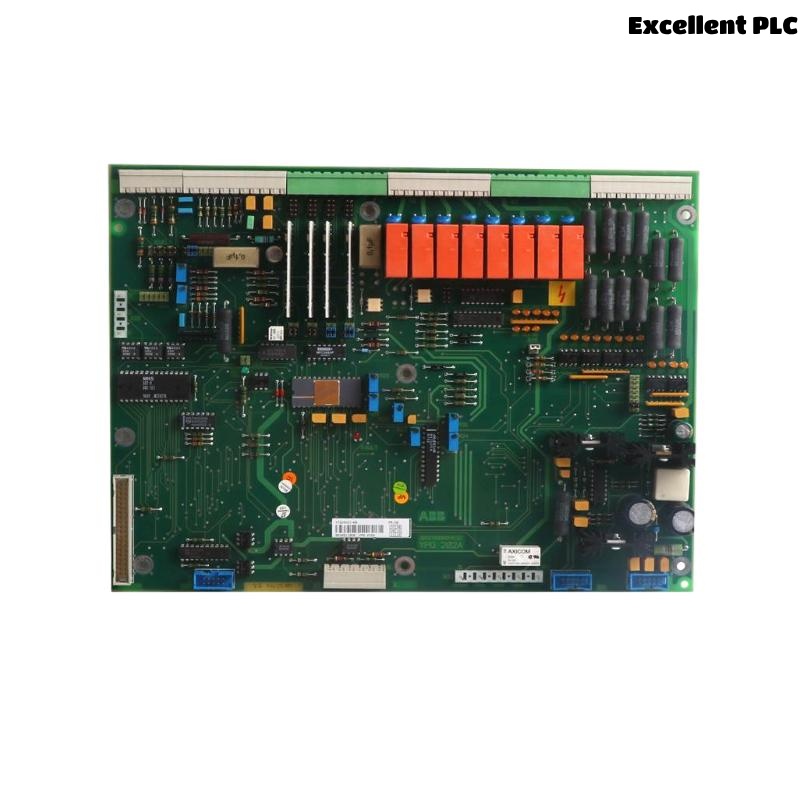
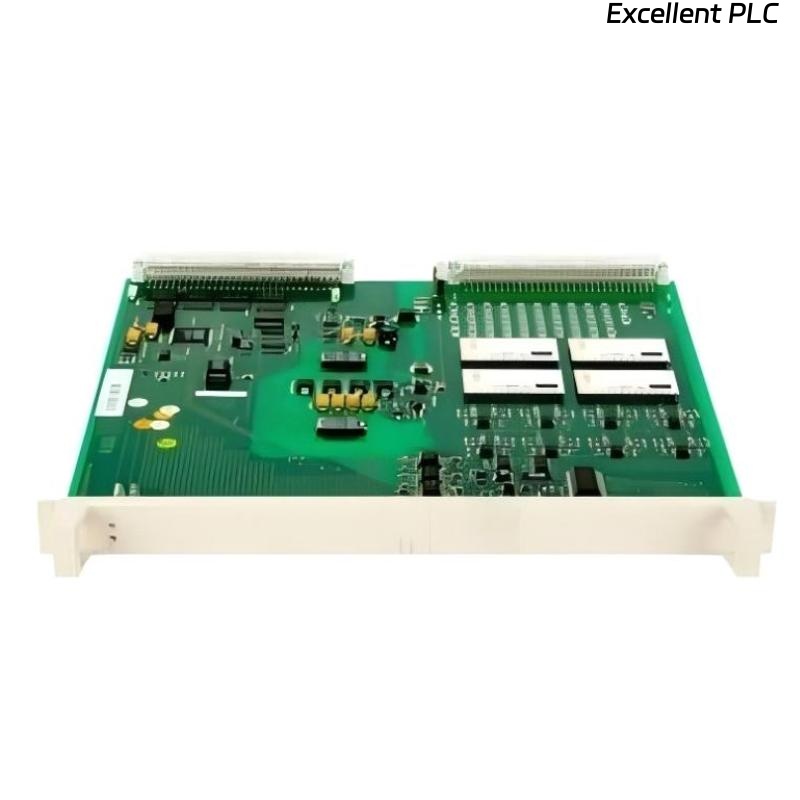
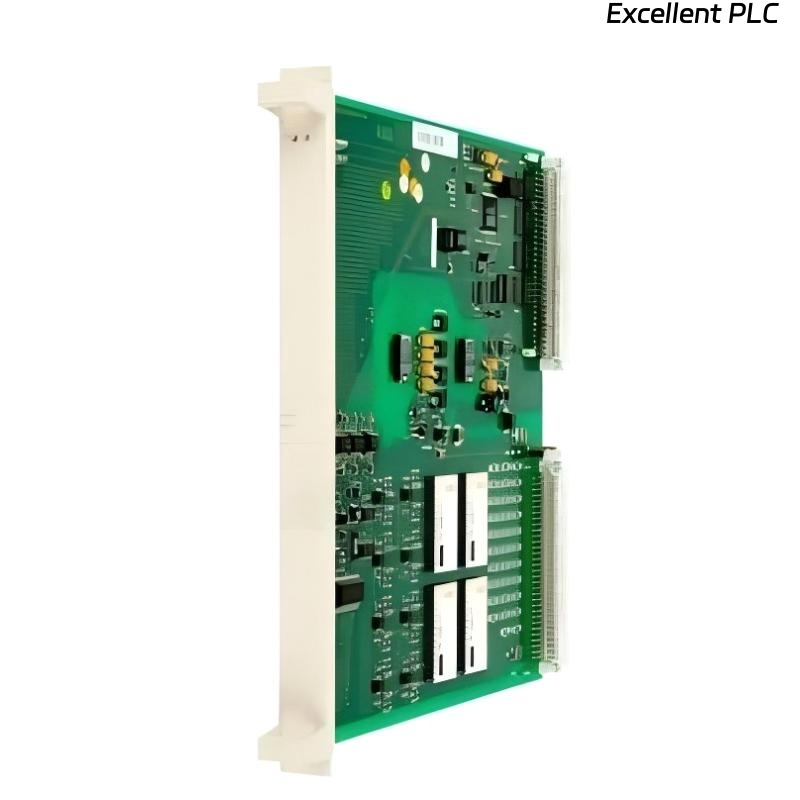
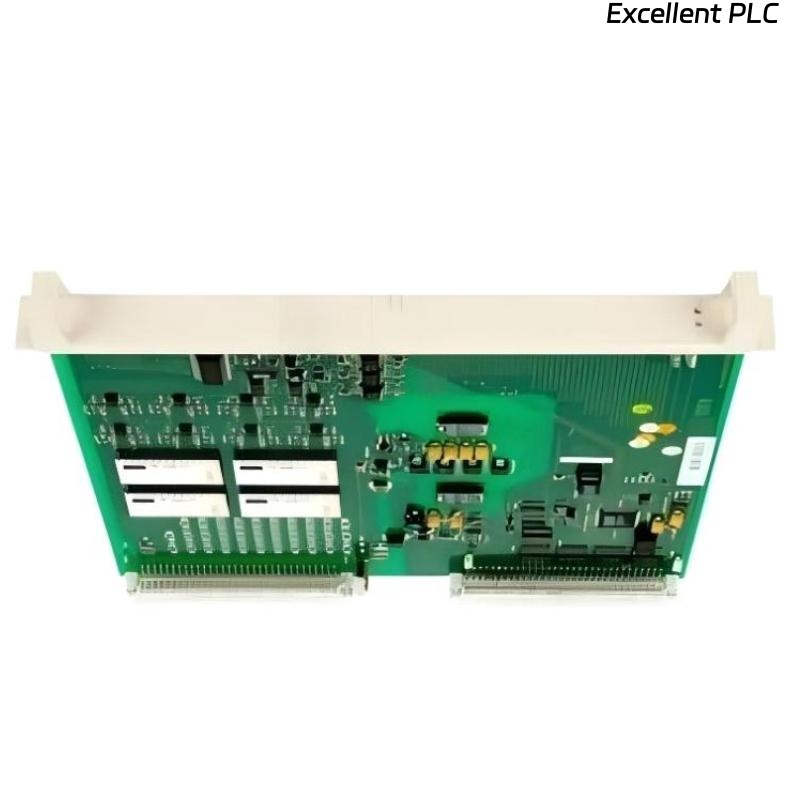
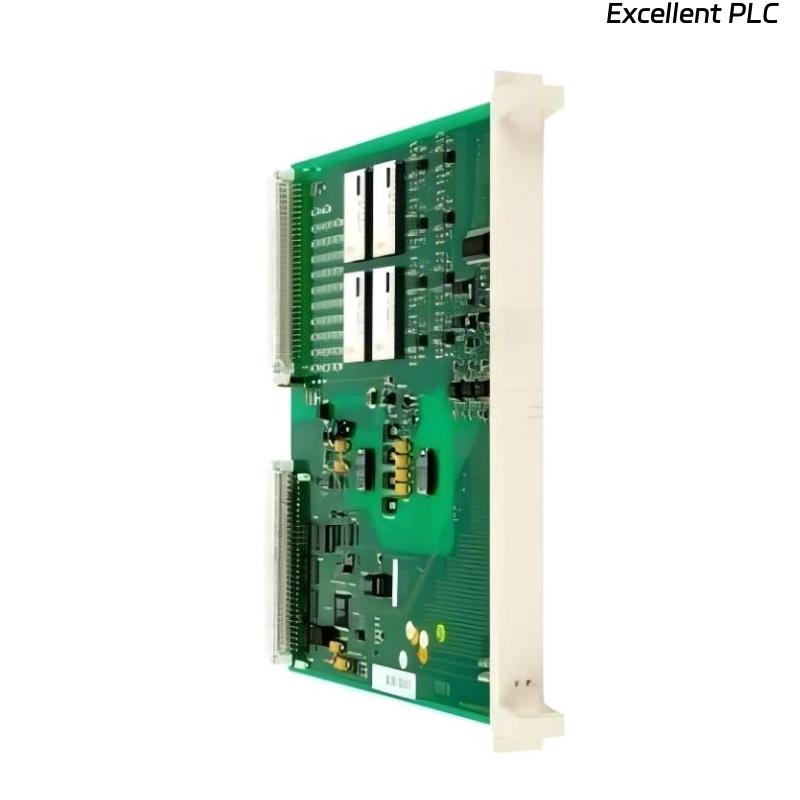
The ABB 89IL05B-E GJR2391200R0100 Remote Bus Coupling Module is an industrial communication interface designed to enable reliable data exchange between distributed control stations and central control systems. It acts as a coupling point between remote I/O segments and the system bus, ensuring stable, deterministic, and well-structured communication within automation and protection architectures.
This module is typically used in systems where control and monitoring components are geographically distributed or logically separated. By providing a dedicated bus coupling function, the 89IL05B-E helps maintain communication integrity while simplifying system expansion and modular design.
Built for industrial environments, the module emphasizes communication stability, electrical robustness, and long-term operational consistency. Its design supports clear system structuring, making it easier to implement, maintain, and expand complex control networks.
Product Specifications
| Parameter | Description |
|---|---|
| Product Type | Remote Bus Coupling Module |
| Model | ABB 89IL05B-E GJR2391200R0100 |
| Primary Function | Coupling of remote stations to system bus |
| Communication Role | Data exchange between remote I/O and control system |
| Bus Interface | Dedicated industrial system bus connection |
| Data Transmission | Deterministic cyclic data communication |
| Electrical Isolation | Isolation between bus and internal electronics |
| Mounting Method | Panel or control cabinet mounting |
| Operating Environment | Industrial automation and control environments |
| Dimensions | 200 × 120 × 75 mm |
| Weight | 1.2 kg |
Applications
• Distributed Control Systems (DCS)
Used to connect remote I/O stations to central controllers, ensuring reliable and structured communication across the system.
• Electrical Substations
Applied in substation automation systems to link distributed control and monitoring units via a remote communication bus.
• Process Automation Plants
Supports communication between field-level equipment and control rooms in large-scale process installations.
• Power Generation Facilities
Used in power plants to integrate auxiliary systems, balance-of-plant controls, and remote monitoring stations.
• Industrial Automation Networks
Facilitates modular system design by enabling remote expansion of I/O and control functions.
• System Expansion and Retrofit Projects
Ideal for extending existing control systems without major changes to the core architecture.
Advantages
• Stable and Deterministic Communication
Ensures predictable data exchange between remote stations and the central control system.
• Support for Distributed Architectures
Enables flexible system layouts with physically separated control and I/O components.
• Improved System Scalability
Simplifies system expansion by allowing additional remote segments to be integrated easily.
• Electrical Robustness
Designed to operate reliably in industrial environments with electrical interference.
• Clear System Structuring
Enhances readability and maintainability of control system architectures.
• Seamless ABB System Integration
Fully compatible with ABB control and automation platforms.