Excellent PLC


Overview
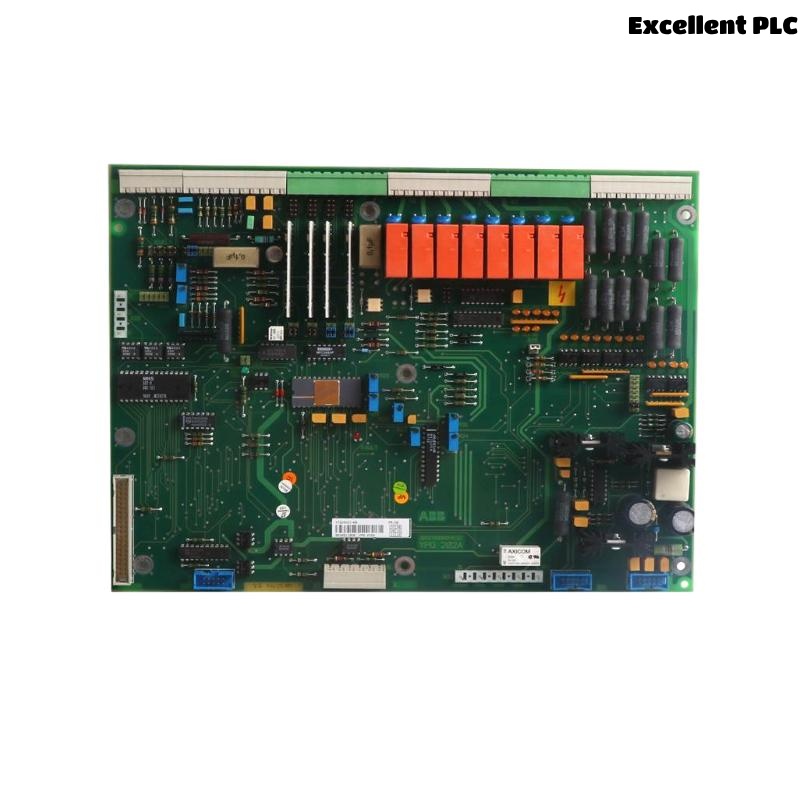
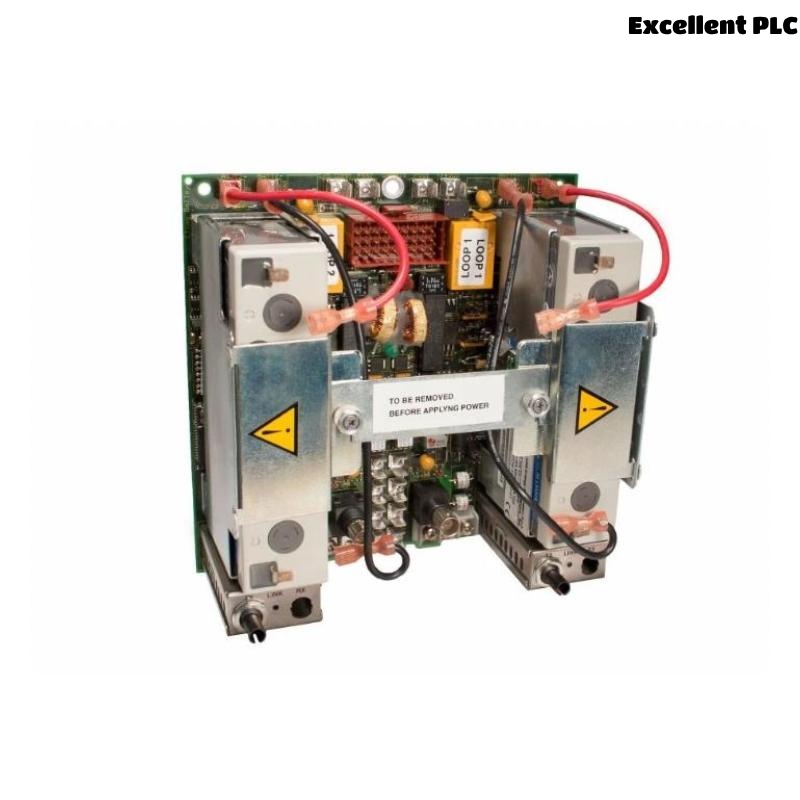
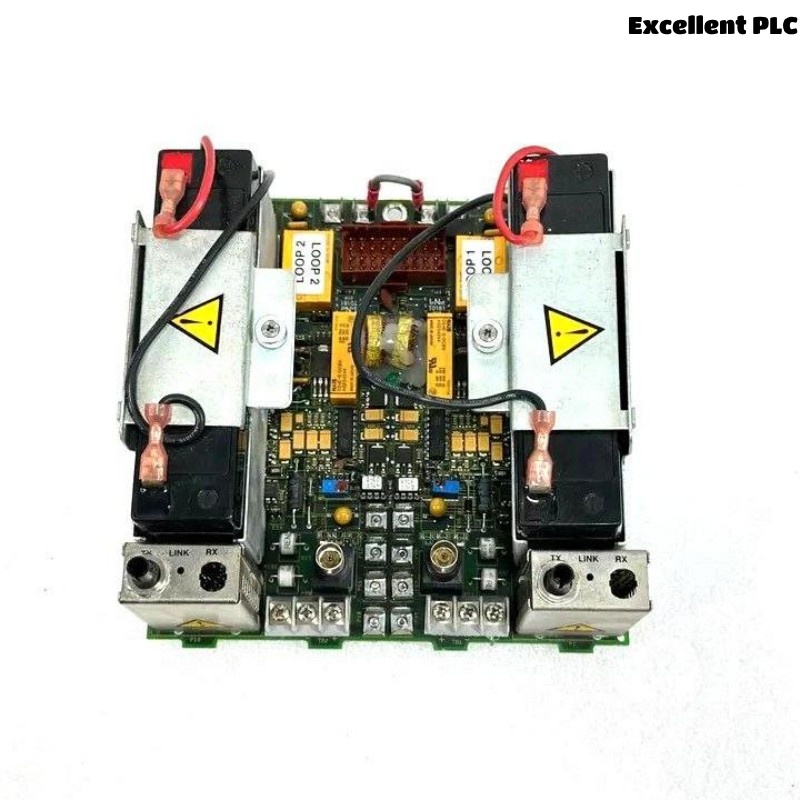
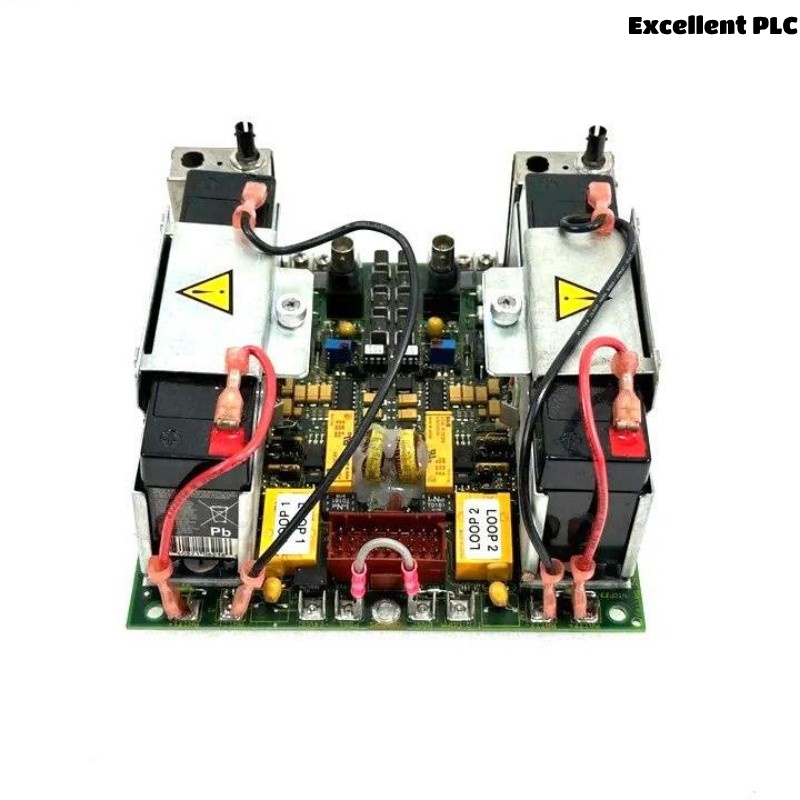
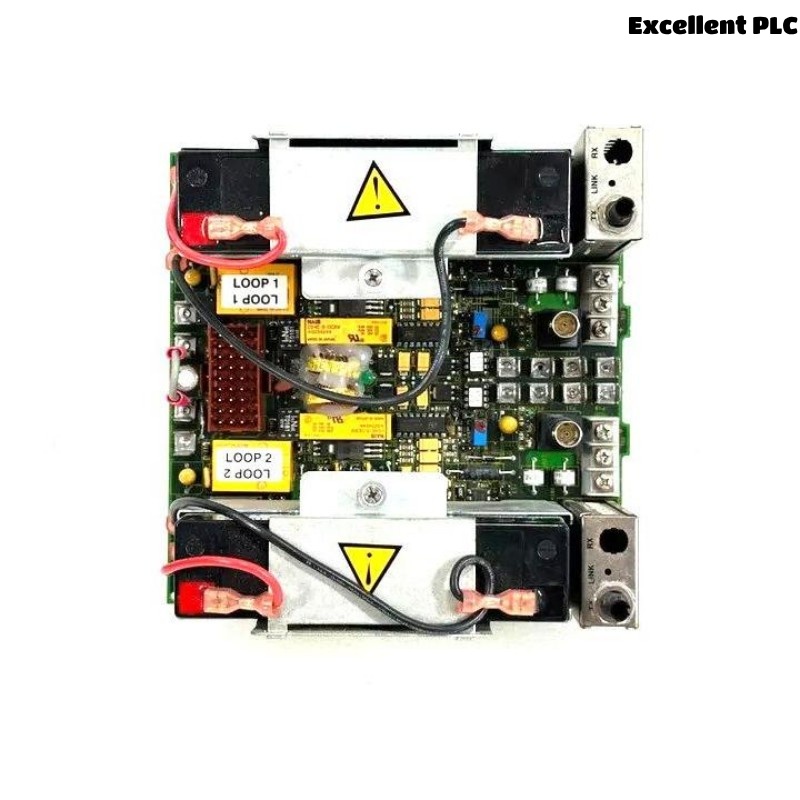
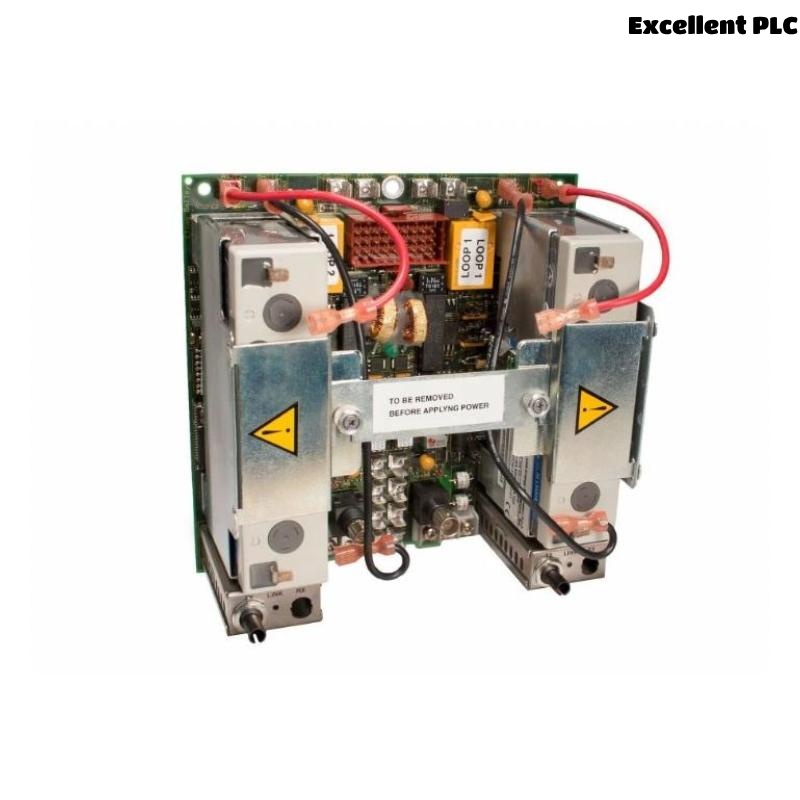
The ABB Bailey NTCF23 is a key component of the Infi 90 Distributed Control System (DCS), designed to convert optical fiber INFI-Net signals into standard electrical signals. It acts as a termination point between the fiber optic backbone and copper-based controllers or modules, ensuring signal integrity and communication reliability.
Technical Specifications
| Parameter | Description |
|---|---|
| Product Model | NTCF23 |
| Function | Optic-to-Electric Termination Unit |
| Network Type | INFI-Net |
| Signal Conversion | Fiber Optic to Electrical |
| Mounting | Rack Mount |
| Operating Voltage | 5 VDC (typical) |
| Operating Temperature | 0°C to 60°C |
| Dimensions | 160.02 x 228.6 x 213.36 mm |
| Weight | 0.65 kg |
Applications
-
Fiber-to-copper transition in Infi 90 networks
-
Signal distribution within INFI-Net topology
-
Industrial automation systems
-
Power plant and utility control environments
Advantages
-
Stable conversion of optic to electrical signals
-
Enhances communication reliability in DCS networks
-
Simple rack mounting design for easy integration
-
High durability and ABB quality assurance
FAQs
Q1: What is the main function of the NTCF23 unit?
A1: It converts optical INFI-Net signals to electrical signals for Infi 90 systems.
Q2: Can the NTCF23 be used in other ABB control systems?
A2: It is specifically designed for the Infi 90 system and may not be compatible with other systems.
Q3: What type of connectors does it use?
A3: It uses standard fiber optic and electrical signal connectors designed for ABB DCS infrastructure.
Q4: Is it suitable for harsh environments?
A4: It operates reliably in industrial settings with 0°C to 60°C temperature range.
Q5: How is it mounted?
A5: It is a rack-mountable module designed for standard Infi 90 enclosures.
Q6: What happens if this unit fails?
A6: Communication over the INFI-Net may be disrupted, requiring immediate replacement.
Q7: Is this unit hot-swappable?
A7: No, power must be removed before replacement or installation.
Q8: Does it support redundancy?
A8: Redundancy depends on system configuration, not solely on the unit.
Q9: How can I identify a faulty NTCF23?
A9: Indicators like loss of communication or error LEDs signal potential faults.
Q10: How often does it need maintenance?
A10: It requires minimal maintenance, typically limited to periodic inspection.
Related or Same Series Models
| Model | Function | Dimensions (mm) | Weight |
|---|---|---|---|
| NTCF01 | Fiber optic termination unit | 160.02 x 228.6 x 213.36 | 0.65 kg |
| NTCF02 | Optic/Electric transition module | 160.02 x 228.6 x 213.36 | 0.65 kg |
| NTAI03 | Analog input termination unit | 160.02 x 228.6 x 213.36 | 0.65 kg |
| NTAO01 | Analog output termination unit | 160.02 x 228.6 x 213.36 | 0.65 kg |
| NTDI01 | Digital I/O termination unit | 160.02 x 228.6 x 213.36 | 0.65 kg |
| NTAM01 | Analog master termination unit | 160.02 x 228.6 x 213.36 | 0.65 kg |
Popular ABB Bailey Models
| Model | Function | Dimensions (mm) | Weight |
|---|---|---|---|
| IMMFP12 | Multi-function processor | 160.02 x 228.6 x 213.36 | 0.85 kg |
| INICT13A | Network interface controller | 160.02 x 228.6 x 213.36 | 0.75 kg |
| INNIS21 | INFI-Net to Ethernet interface | 160.02 x 228.6 x 213.36 | 0.80 kg |
| INNPM12 | Network processing module | 160.02 x 228.6 x 213.36 | 0.78 kg |
| NTCL01 | Loop controller termination unit | 160.02 x 228.6 x 213.36 | 0.65 kg |
| NTRD02 | Redundant power termination unit | 160.02 x 228.6 x 213.36 | 0.65 kg |