Product Introduction
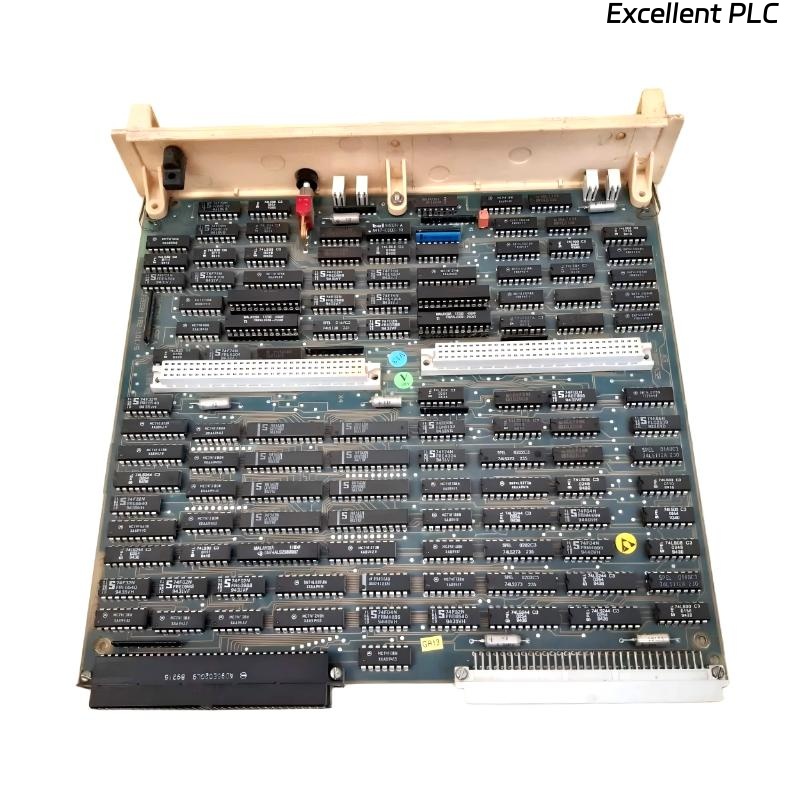
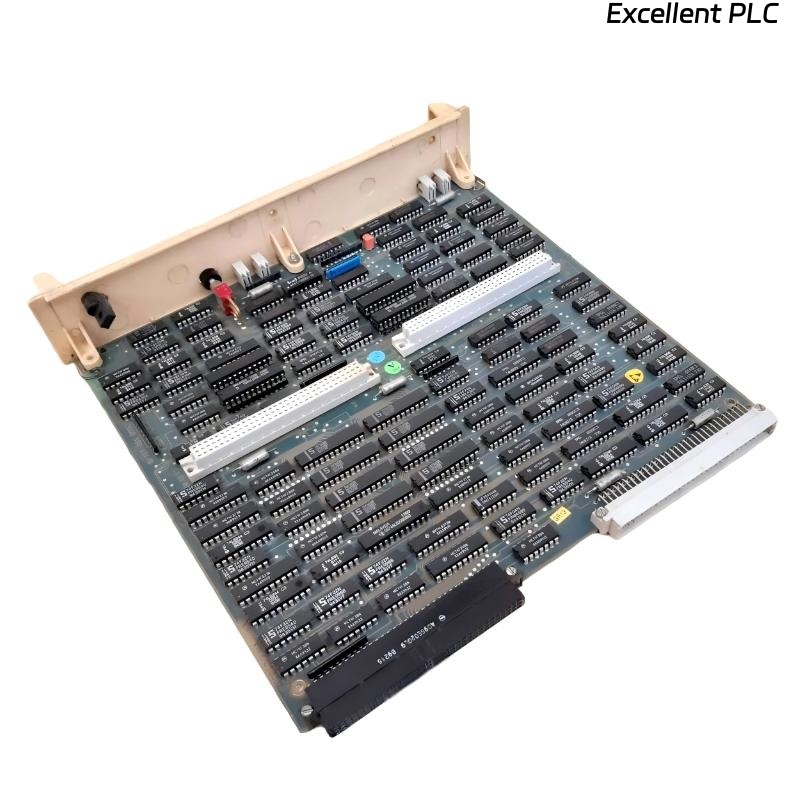
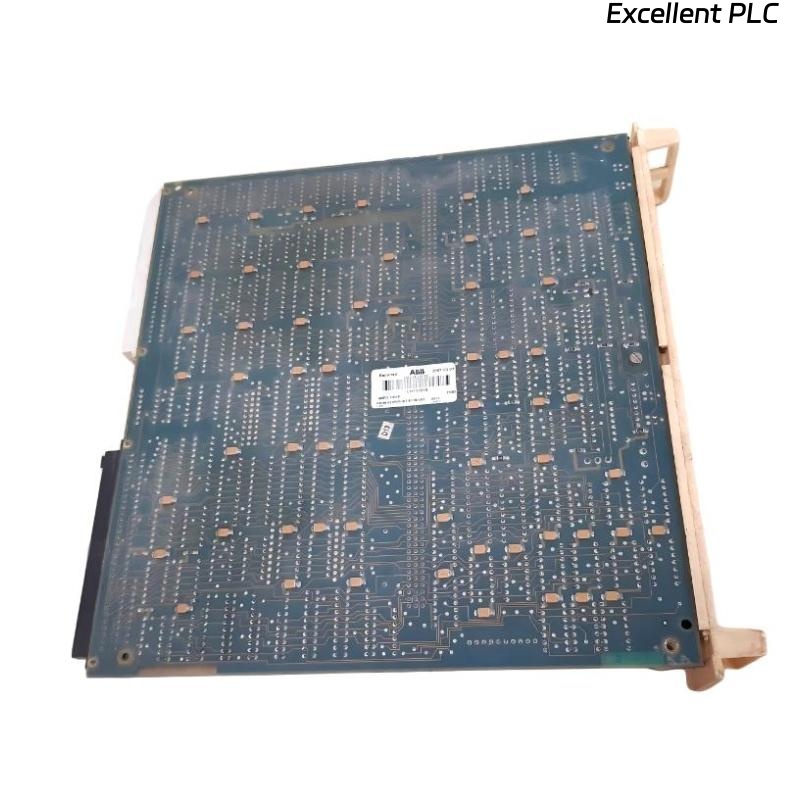
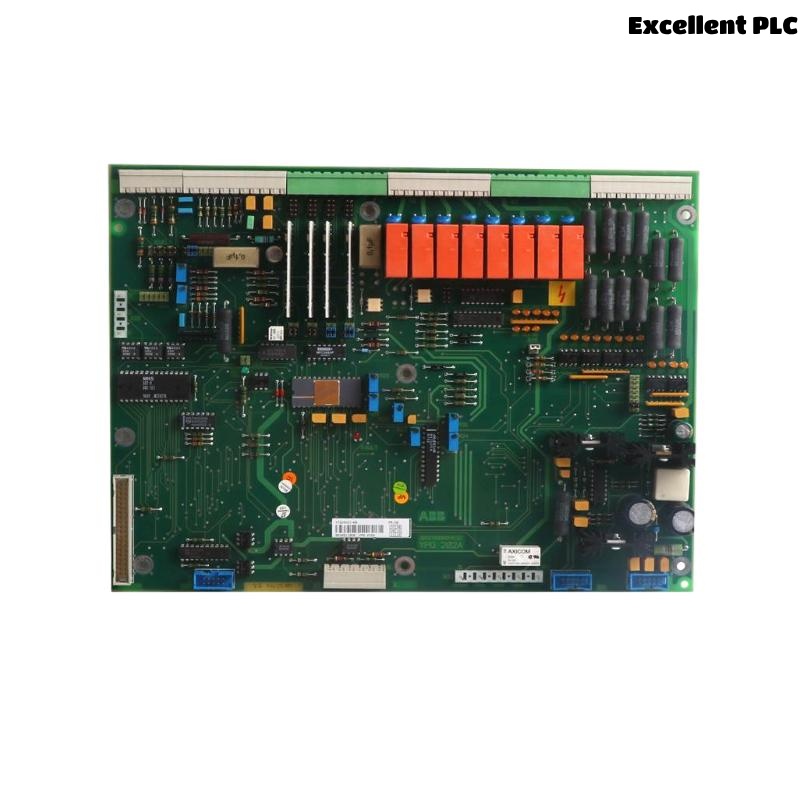
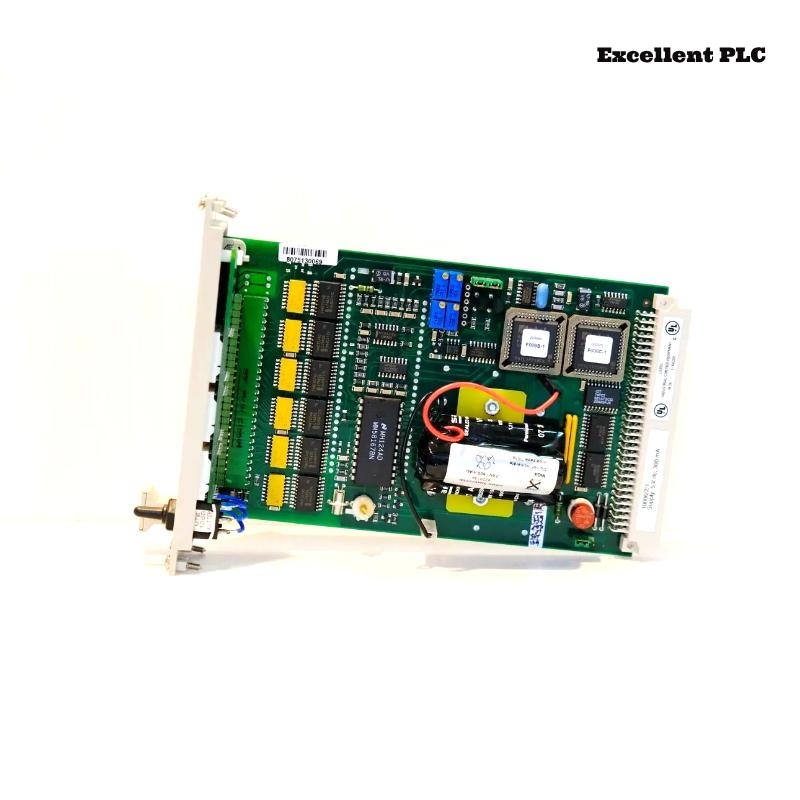
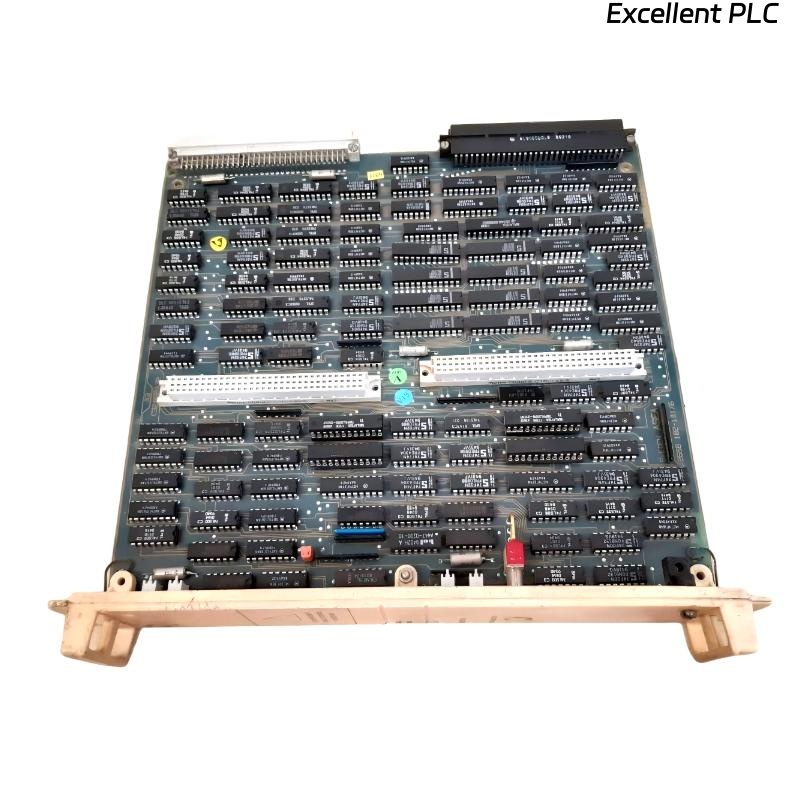
The ABB DSCL 110A (57310001-KY) Redundancy Control Unit is a specialized control module designed to manage redundant systems within ABB industrial automation and safety architectures. Its primary function is to ensure continuous operation and fail-safe performance by monitoring and coordinating redundant devices or modules, allowing systems to maintain functionality even in the event of individual component failure.
Engineered for high reliability and industrial-grade performance, the DSCL 110A is commonly integrated into control cabinets where redundancy management is critical, such as safety instrumented systems, process automation, and mission-critical industrial operations. The module ensures deterministic system responses and smooth failover between primary and backup channels.
Product Specifications
| Parameter |
Description |
| Product Name |
Redundancy Control Unit |
| Model |
DSCL 110A |
| ABB Part Number |
57310001-KY |
| Primary Function |
Redundancy monitoring and control |
| Application Type |
Safety, automation, and process control systems |
| System Compatibility |
ABB control and safety platforms |
| Control Logic |
Monitors and coordinates redundant modules or devices |
| Mounting Method |
Panel or rack mounting |
| Cooling Method |
Natural convection |
| Module Construction |
Industrial-grade electronic assembly |
| Installation Location |
Control cabinet |
| Dimensions |
200 × 50 × 100 mm |
| Weight |
1 kg |
Applications
● Redundant system management
Maintains operation in critical industrial systems by coordinating primary and backup modules.
● Safety instrumented systems (SIS)
Supports continuous monitoring and failover in safety-critical automation applications.
● Process control environments
Ensures uninterrupted control in chemical, petrochemical, and power generation processes.
● Industrial automation systems
Manages redundant PLC or controller modules to maintain reliable operation.
● System upgrades and expansions
Integrated when redundancy or fail-safe control is required in existing ABB architectures.
Advantages
● High system reliability
Provides seamless coordination between primary and backup modules to avoid downtime.
● Fail-safe operation
Designed for critical industrial applications requiring continuous safety monitoring.
● Industrial-grade construction
Robust module capable of operating under typical cabinet conditions.
● Seamless integration
Fully compatible with ABB control and safety platforms, including SIS and automation systems.
● Predictable system response
Deterministic control ensures consistent failover behavior between redundant devices.
● Simplified maintenance
Module replacement and diagnostics are straightforward due to standardized design.
FAQ
1. What is the main purpose of this redundancy control unit?
It monitors and coordinates redundant modules or devices to maintain continuous system operation in critical applications.
2. How does the module handle component failures?
It automatically manages failover, switching control from a failed primary module to a backup without interrupting system operation.
3. In which systems is this unit typically used?
It is used in safety instrumented systems, industrial automation, and process control systems requiring redundancy.
4. Can the unit be integrated into existing ABB control systems?
Yes, it is designed to integrate seamlessly with ABB control and safety platforms.
5. How does the module improve overall system reliability?
By ensuring continuous operation even when individual modules fail, it reduces downtime and operational risk.
6. Is the unit suitable for continuous industrial operation?
Yes, it is engineered for continuous use under standard control cabinet environmental conditions.
7. How does it interact with primary and backup modules?
It monitors the health and status of all connected modules and coordinates automatic failover when necessary.
8. Can this unit be used in process control applications?
Yes, it is commonly used in chemical, petrochemical, power generation, and other continuous process environments.
9. How does the redundancy control unit handle system diagnostics?
It provides status feedback and diagnostic information to higher-level controllers or monitoring systems.
10. What installation environment is required for this module?
It should be installed in a protected control cabinet with standard industrial environmental conditions.
Related Models
| Model |
Description |
| DSCL 120A |
Redundancy control unit with extended channels |
| DSCL 130A |
Redundancy module for high-availability systems |
| DSCL 100 |
Basic redundancy controller |
| RCS-210 |
Redundant control supervisor module |
| RCS-220 |
Advanced redundant controller |
| DSCL 115A |
Compact redundancy control unit |
Popular Models
| Model |
Application Area |
| PM861A |
AC 800M PLC controller |
| PM864A |
High-performance automation controller |
| CI854A |
PROFIBUS communication interface |
| ACS580 |
General-purpose ABB AC drive |
| ACS880 |
High-performance industrial drive |
| AI830A |
Analog input module |

Excellent PLC Co., Ltd. has a large number of brand new and original PLC and DCS spare parts, with more than 60 cooperative countries. All products are guaranteed for 1 year and delivered to you by high-quality express.
We are committed to using the best products and the most favorable prices to meet the needs and friendship of our customers. We have won the trust of thousands of customers, including these excellent customers.

As for the delivery time, when we receive your order requirements, we will arrange for warehouse personnel to test and verify the products. After you place the order, we will send it to you within 24 hours.
 Excellent PLC