Excellent PLC


Product Introduction
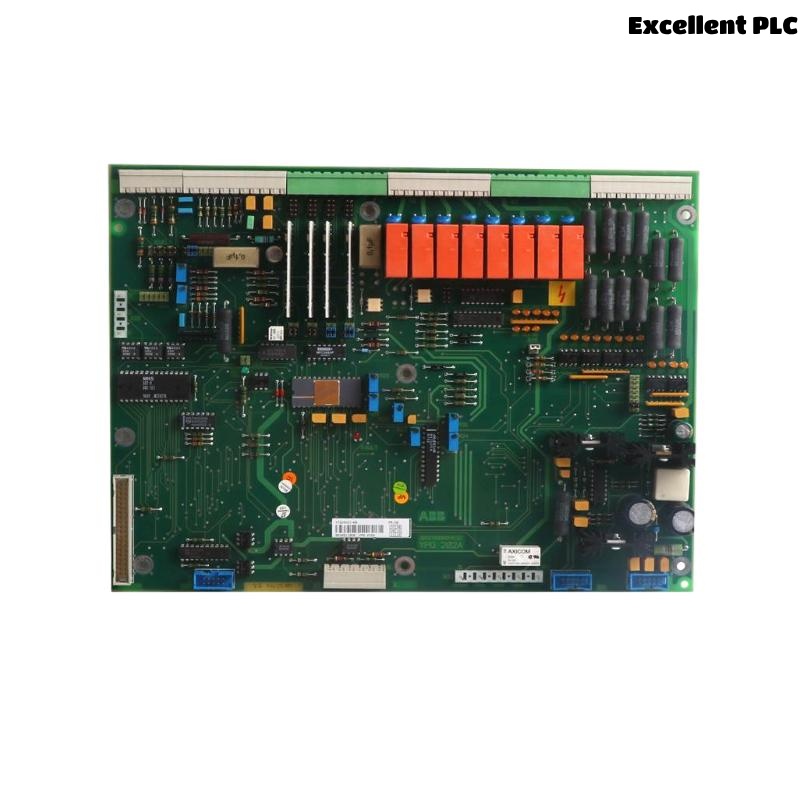
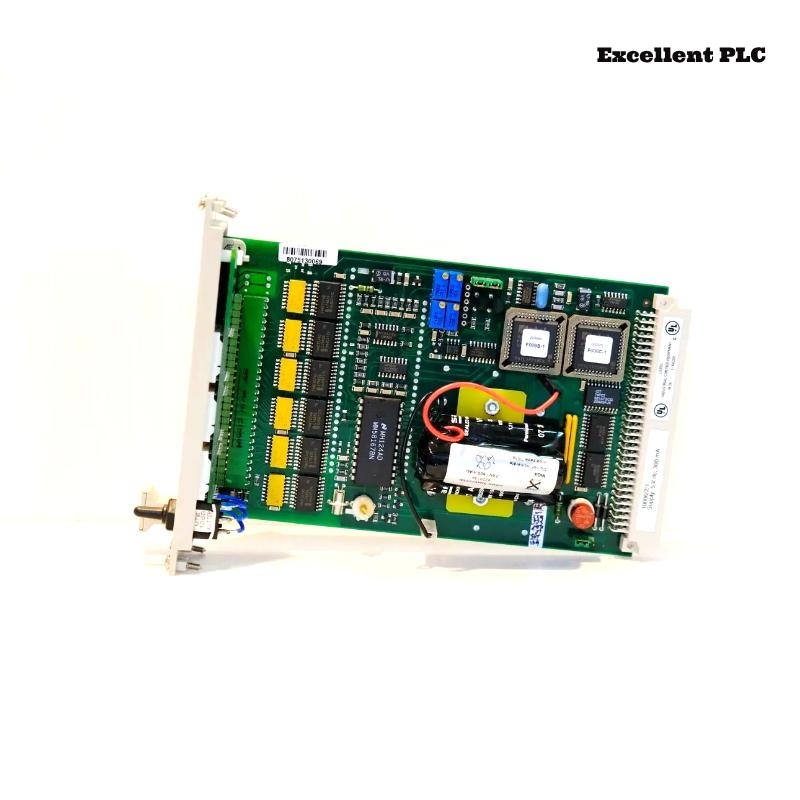
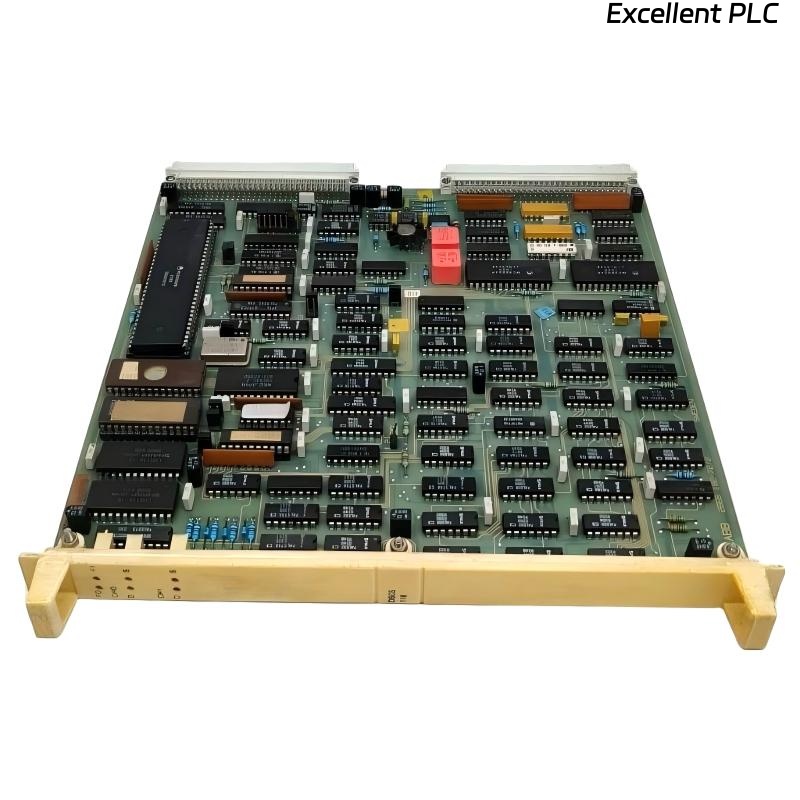
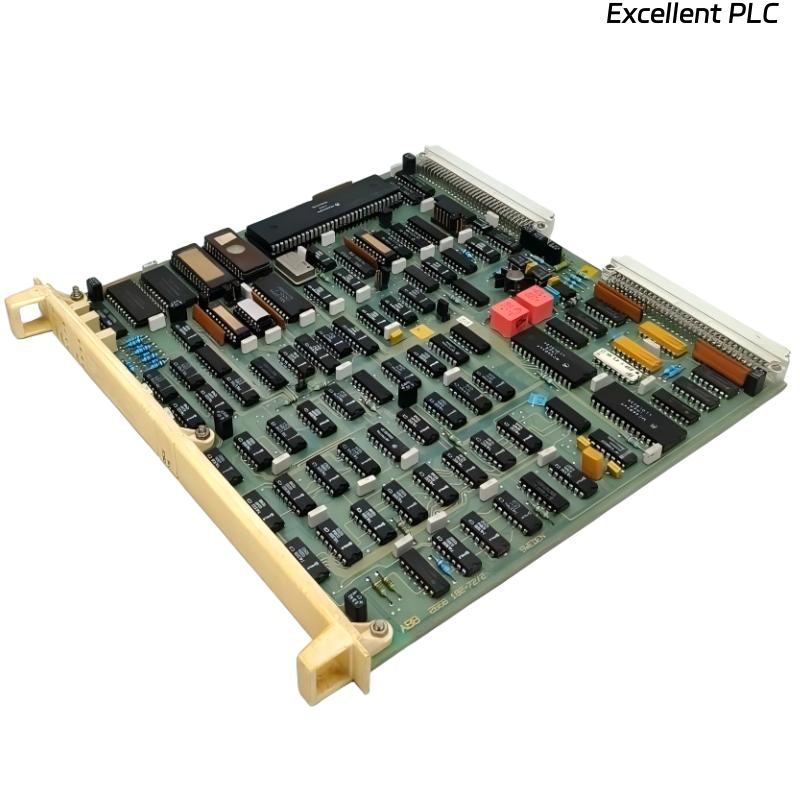
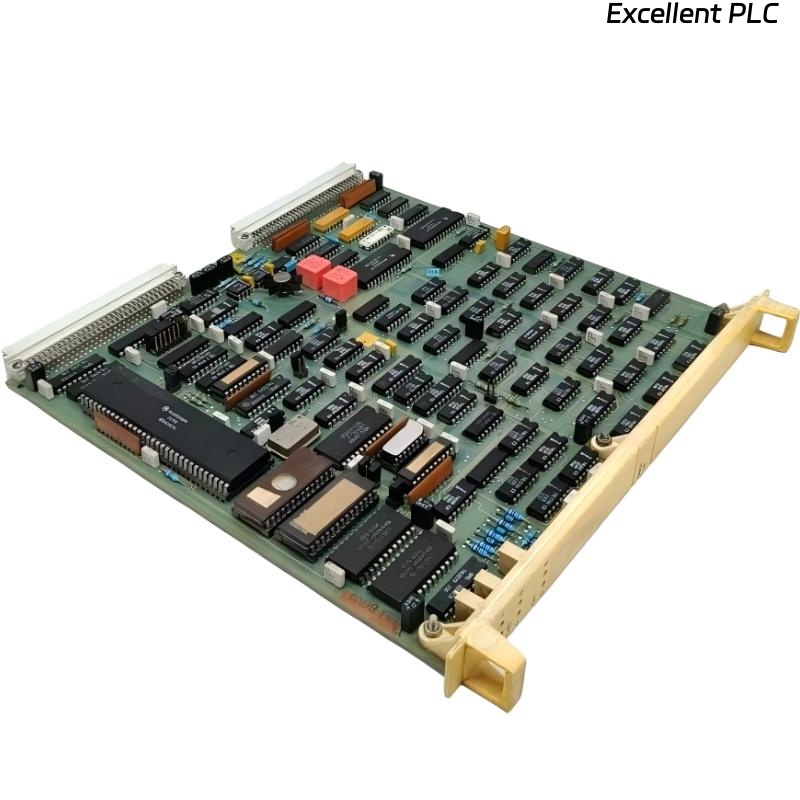
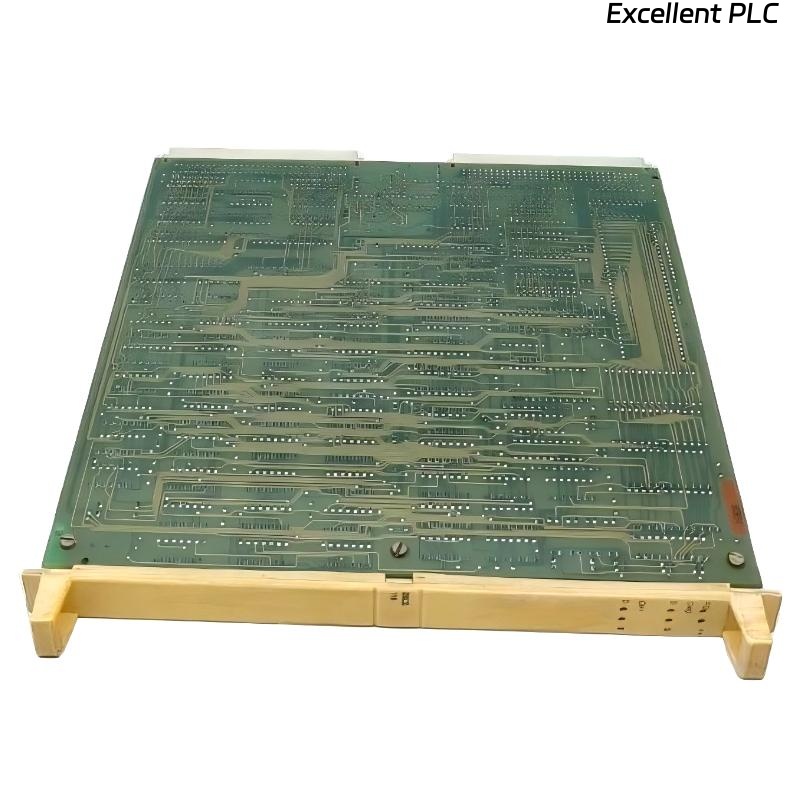
The ABB DSCS 116 (57520001-BZ) Synchronous Communication Board is a dedicated industrial communication interface designed for deterministic, time-critical data exchange within ABB control system architectures.
This board enables synchronized communication between controllers, I/O subsystems, and intelligent field devices where precise timing and coordinated data transfer are essential. It is typically used in systems that require tightly coupled control logic, high data integrity, and predictable communication behavior.
Engineered for continuous industrial operation, the DSCS 116 provides stable performance under demanding electrical and environmental conditions. Its hardware-based synchronization mechanism ensures consistent data alignment across system components, which is especially important in complex automation, motion control, and power-related applications.
With a slim mechanical profile and robust construction, the DSCS 116 integrates efficiently into ABB system racks. It is widely applied in both new installations and legacy system upgrades where reliable synchronous communication is a core requirement.
Product Specifications
| Parameter | Specification |
|---|---|
| Product Type | Synchronous Communication Board |
| Manufacturer | ABB |
| Model | DSCS 116 |
| Order Number | 57520001-BZ |
| Communication Type | Synchronous serial communication |
| Synchronization Method | Hardware-based deterministic synchronization |
| Data Transmission Mode | Cyclic and event-driven data exchange |
| Signal Integrity | High immunity to noise and signal distortion |
| System Compatibility | ABB distributed control and automation systems |
| Installation Method | System rack / controller carrier |
| Operating Duty | Continuous industrial operation |
| EMC Performance | Designed for high electromagnetic compatibility |
| Maintenance Requirement | Minimal, no periodic calibration required |
| Dimensions | 330 × 30 × 190 mm |
| Weight | 0.48 kg |
Applications
• Distributed control systems, enabling synchronized data exchange between controllers and subsystems
• Power generation and energy systems, coordinating time-critical control and monitoring signals
• Process automation, supporting deterministic communication for complex control strategies
• Motion and drive coordination, ensuring precise timing between control components
• System redundancy architectures, maintaining data consistency across parallel system paths
• Control system modernization, upgrading legacy communication interfaces without major redesign
Advantages
• Deterministic communication behavior, ensuring predictable and repeatable data transfer
• High synchronization accuracy, supporting time-critical control and coordination tasks
• Robust industrial design, suitable for harsh electrical environments
• Seamless ABB system integration, reducing engineering and commissioning effort
• Stable long-term operation, minimizing communication errors and downtime
• Compact and efficient form factor, optimizing cabinet and rack space usage
• Low maintenance requirements, contributing to reduced lifecycle costs