Excellent PLC


Product Introduction
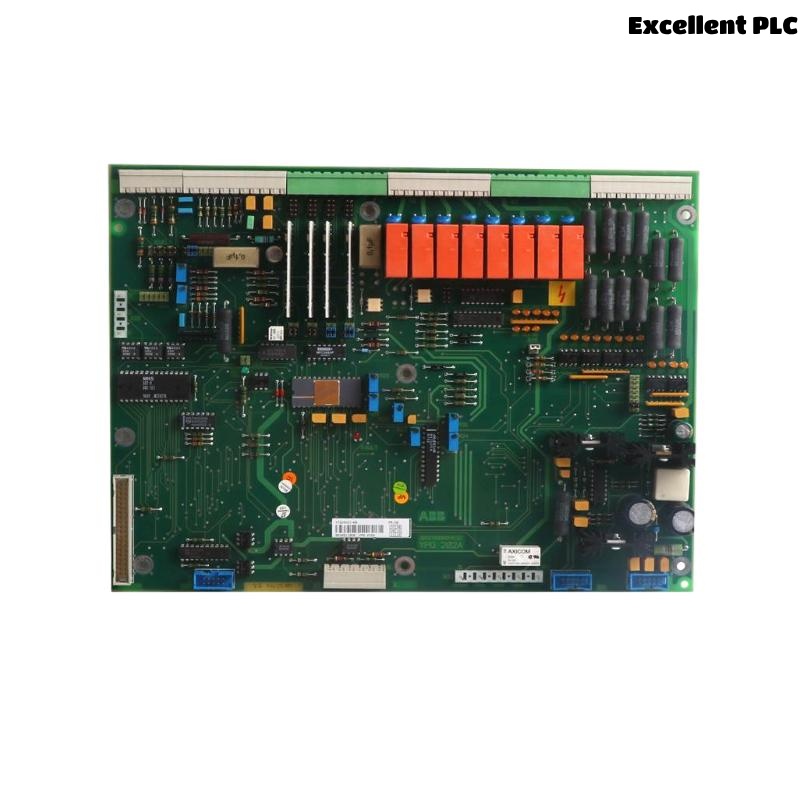
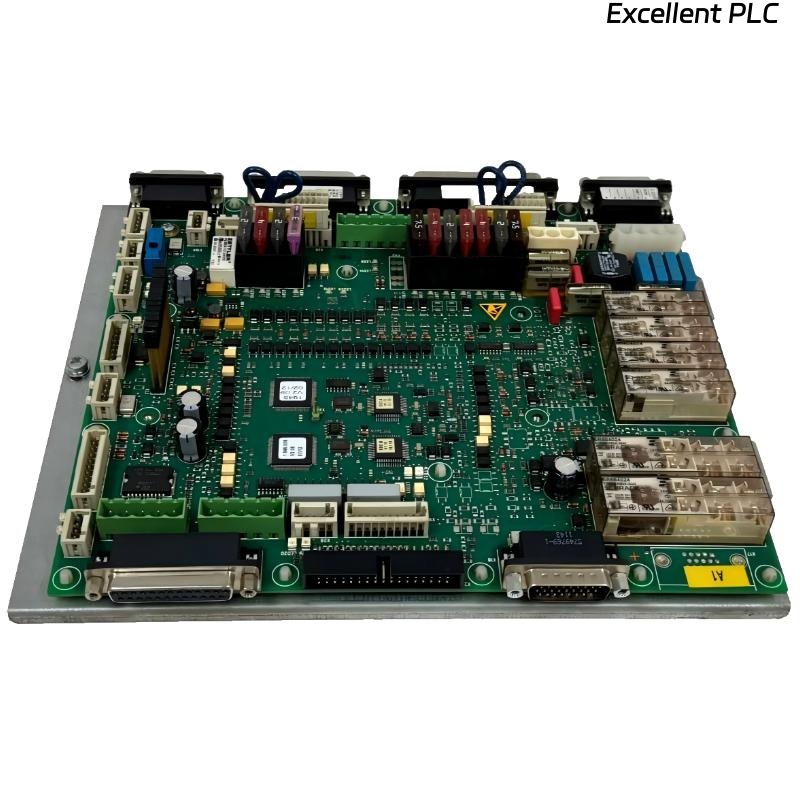
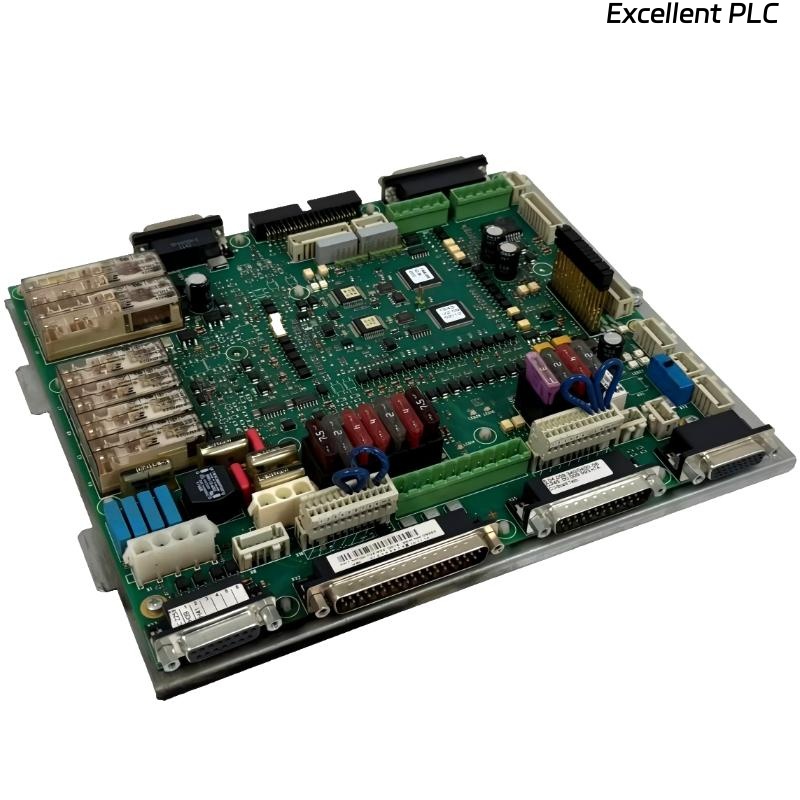
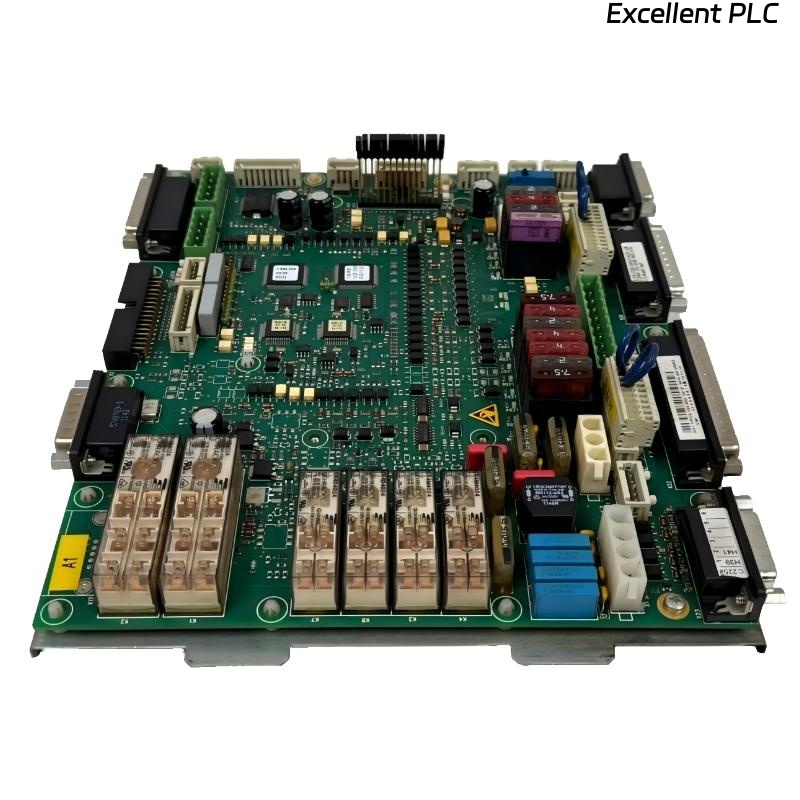
The ABB (KUKA) 00-134-932 Safety Control Board is a dedicated industrial safety control module designed to manage and monitor safety-related signals within robotic and automated systems. It acts as a central processing unit for safety functions, ensuring that emergency stops, protective devices, and interlock circuits operate reliably and predictably.
This safety control board is engineered to interface with multiple safety inputs and outputs, allowing it to supervise machine states and initiate controlled shutdown procedures when abnormal or hazardous conditions are detected. Its internal logic structure is optimized for fast response and deterministic behavior, which is essential for safeguarding personnel and equipment.
Designed for integration into industrial control cabinets, the 00-134-932 Safety Control Board provides a stable and structured approach to safety management. It supports complex automation architectures where coordinated safety actions are required across multiple subsystems.
Product Specifications
| Parameter | Description |
|---|---|
| Product Type | Safety Control Board |
| Manufacturer | ABB (KUKA) |
| Model Number | 00-134-932 |
| Safety Function Type | Centralized Safety Logic Processing |
| Input Signal Type | Safety Digital Inputs |
| Output Signal Type | Safety Control Outputs |
| Logic Architecture | Redundant Safety Logic |
| Response Time | Fast Deterministic Processing |
| Communication Interface | Internal Safety Bus |
| Diagnostic Capability | Continuous Self-Monitoring |
| Fault Detection | Signal Discrepancy and Line Monitoring |
| Installation Type | Control Cabinet / Rack Mount |
| Operating Environment | Industrial Automation and Robotics |
| Dimensions | 180 × 150 × 30 mm |
| Weight | 0.85 kg |
Applications
• Industrial robotic cells, supervising emergency stop circuits and safety gates
• Automated production lines, coordinating safe machine stop and restart sequences
• Human–machine collaborative environments, ensuring protective functions are correctly enforced
• Safety interlock systems, monitoring doors, guards, and access panels
• Material handling installations, managing safety-related signals across multiple zones
• Centralized safety architectures, where multiple subsystems require unified safety control
Advantages
• Centralized safety management, simplifying system-level safety design and coordination
• Fast and deterministic response, reducing reaction time during safety-critical events
• Continuous internal diagnostics, enabling early detection of wiring or signal faults
• High reliability design, suitable for mission-critical industrial applications
• Flexible integration, compatible with complex robotic and automation systems
• Clear fault signaling, improving troubleshooting efficiency and reducing downtime