Excellent PLC


Product Introduction
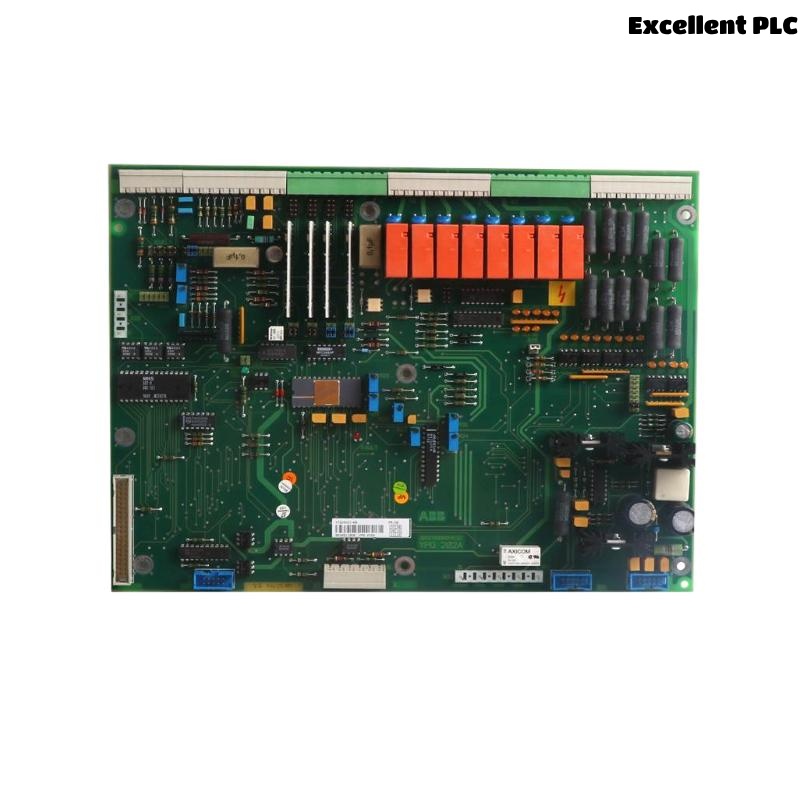
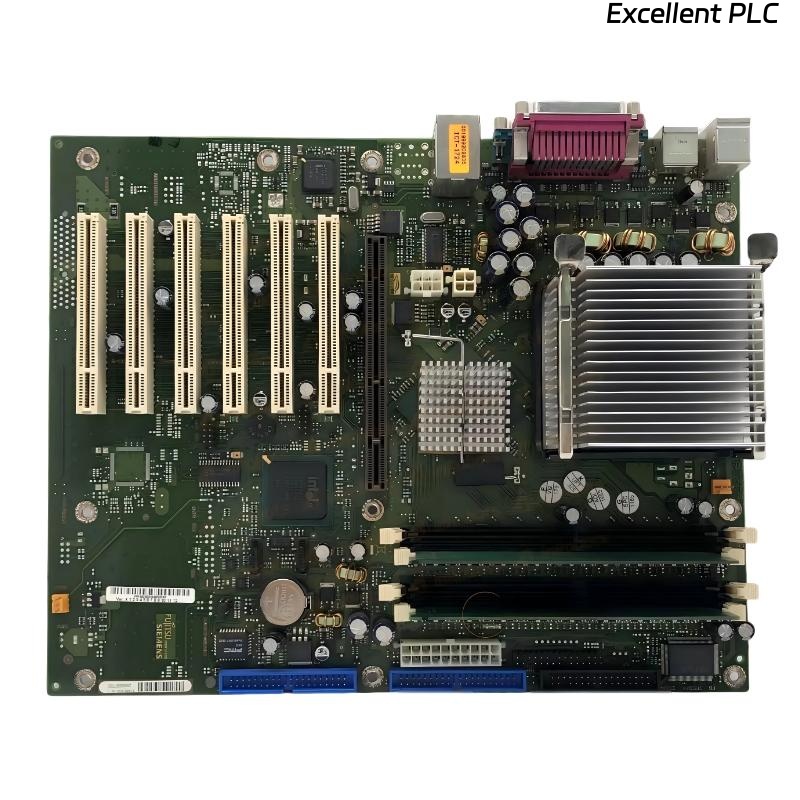
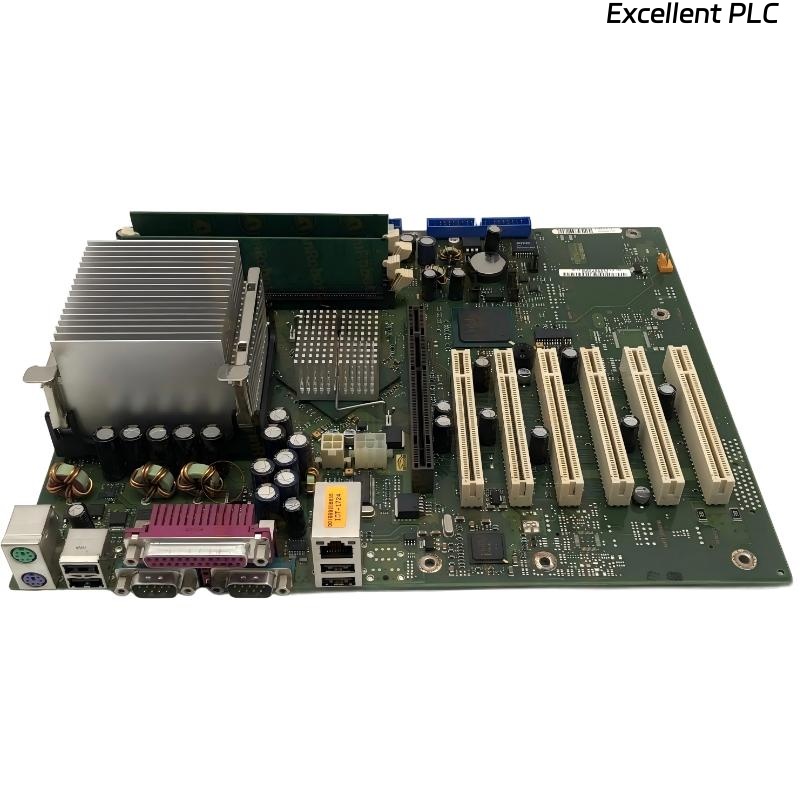
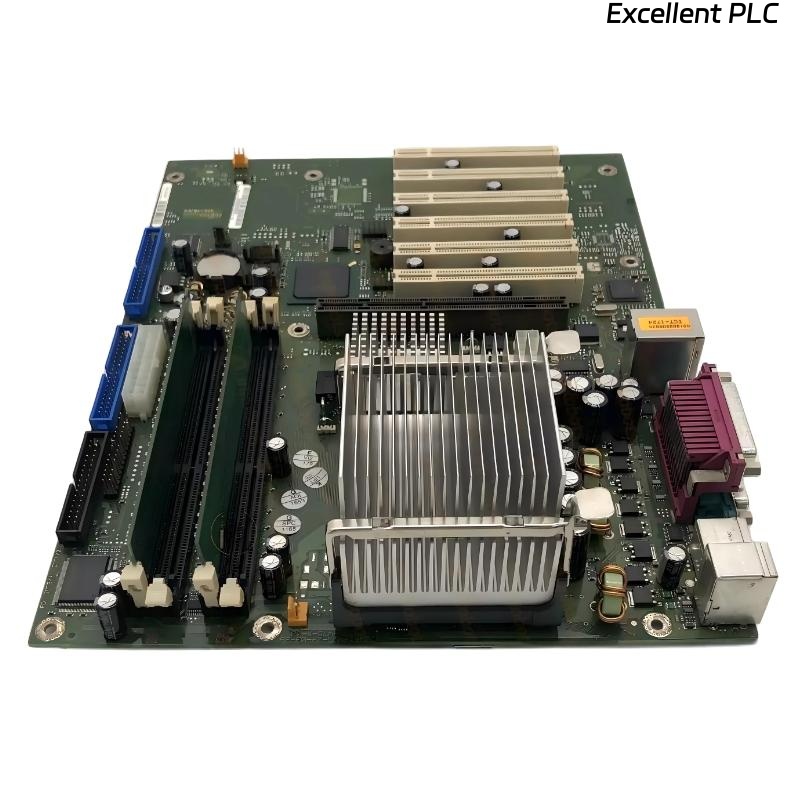
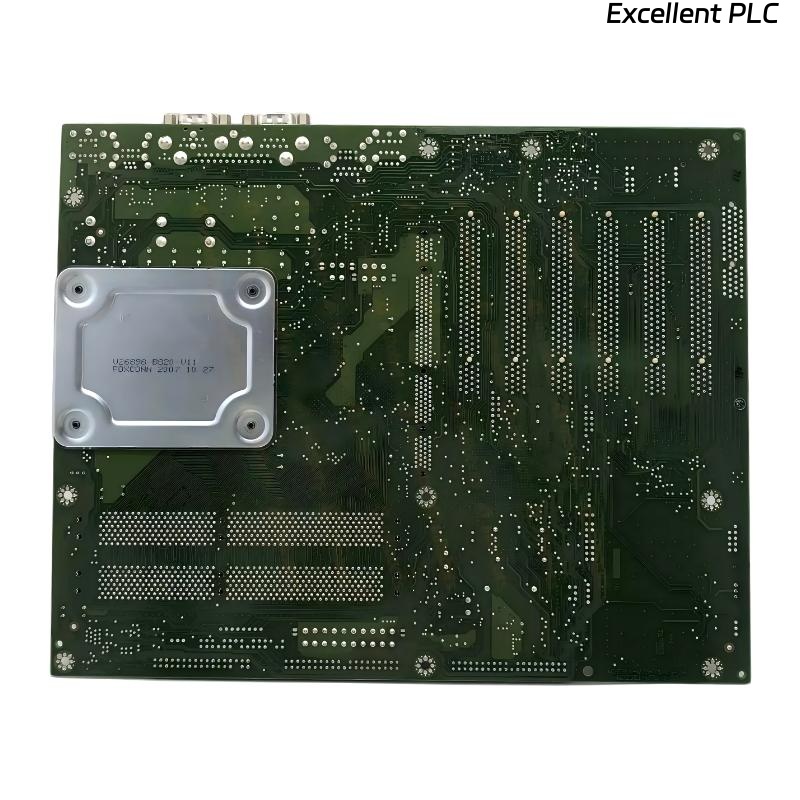
The ABB (KUKA) 00-154-293 Motherboard is a core control board designed specifically for the KUKA KRC2 robot controller platform. It functions as the central hardware layer responsible for coordinating data exchange, control logic execution, and internal communication between processor units, memory resources, interface cards, and peripheral modules within the controller system.
This motherboard forms the structural and electrical backbone of the KRC2 architecture. It provides stable signal routing, clock distribution, and bus connectivity required for deterministic robot control and real-time system behavior. Its layout and component selection are optimized to support the operational requirements of industrial robotic applications, where precision, repeatability, and reliability are essential.
Manufactured to industrial standards, the 00-154-293 motherboard is designed for long-term operation in control cabinets subject to vibration, electrical noise, and continuous-duty workloads. Its robust PCB design and reinforced connectors ensure consistent performance in demanding automation environments.
Product Specifications
| Parameter | Description |
| Product Type | Industrial Controller Motherboard |
| Controller Platform | KUKA KRC2 |
| Board Function | Central control and system coordination |
| Processor Interface | Dedicated CPU socket interface |
| Memory Support | System memory and firmware storage |
| Bus Architecture | Internal control and communication buses |
| Expansion Interfaces | Slots for interface and I/O cards |
| Signal Integrity Design | Optimized PCB routing and grounding |
| Power Distribution | On-board regulated power paths |
| Installation Environment | Robot controller cabinet |
| Dimensions | 330 × 245 × 35 mm |
| Weight | 0.91 kg |
Applications
• Core control platform for KUKA KRC2 robot controllers, managing system-level operations
• Real-time coordination of motion control, I/O processing, and communication subsystems
• Industrial robotic systems requiring deterministic and stable controller behavior
• High-precision automation cells, including welding, handling, and assembly applications
• Controller-level integration of interface cards, memory modules, and communication adapters
• Continuous-operation robot systems in automotive and manufacturing environments
Advantages
• Dedicated design for KRC2 architecture, ensuring precise system-level compatibility
• High signal stability, supporting real-time robotic control requirements
• Robust PCB construction, improving resistance to vibration and electrical interference
• Optimized bus layout, reducing latency and improving data consistency
• Industrial-grade components, selected for long-term continuous operation
• Centralized system coordination, enabling predictable and reliable controller behavior