Excellent PLC



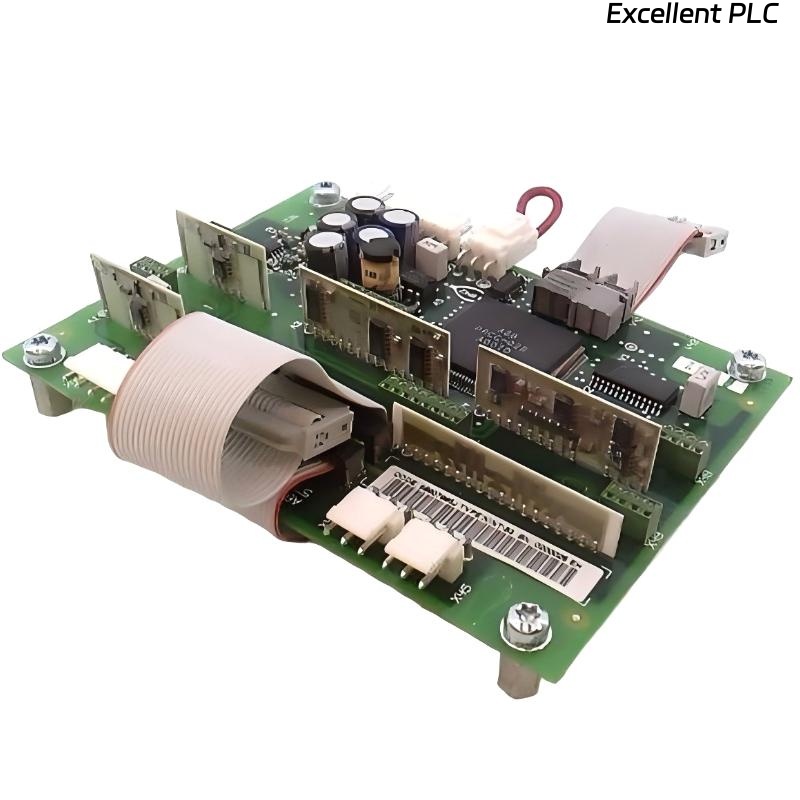
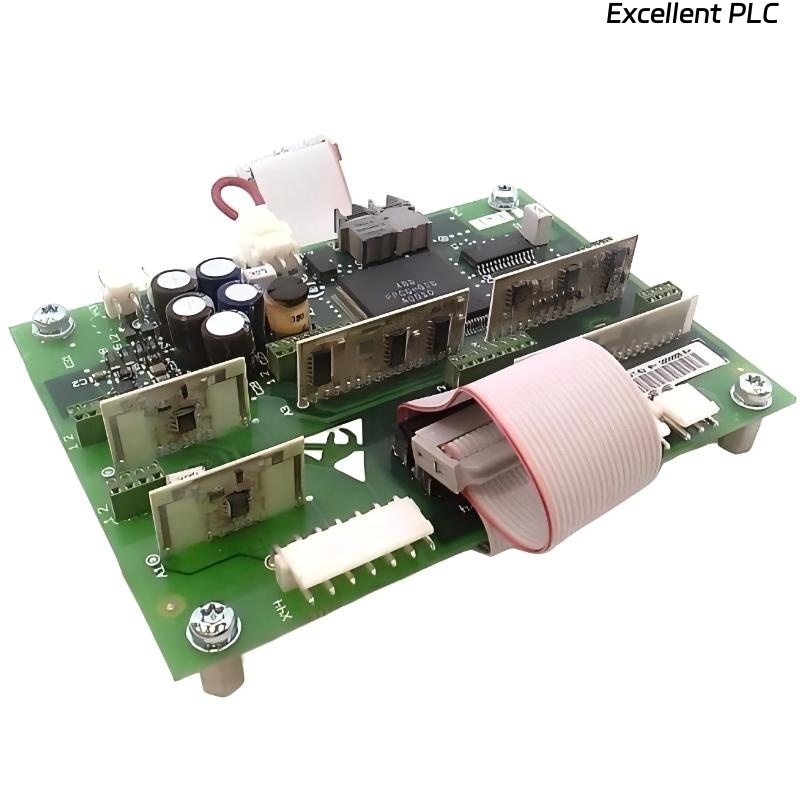
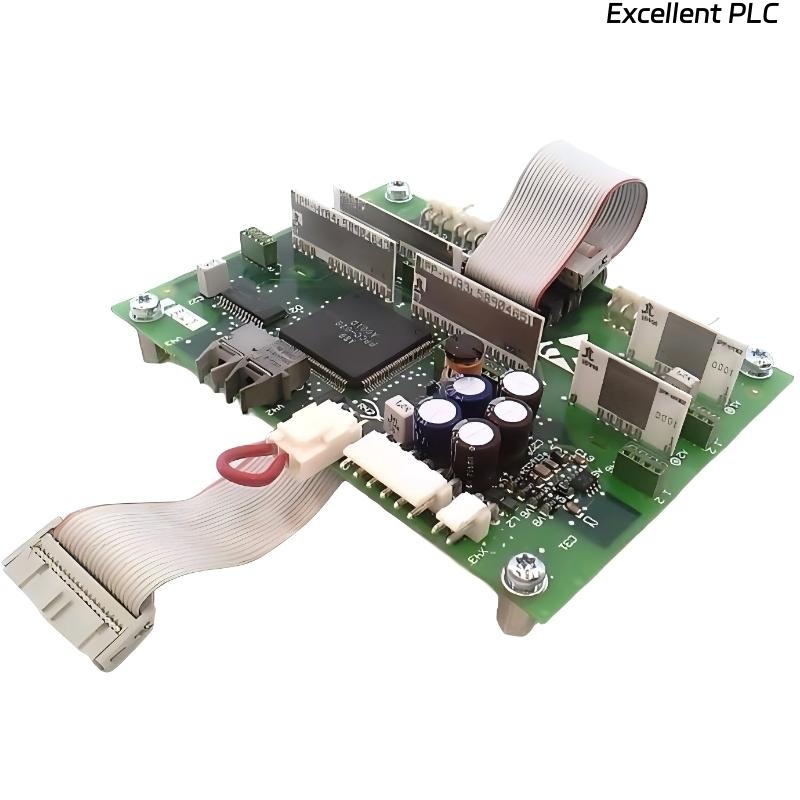
Product Introduction
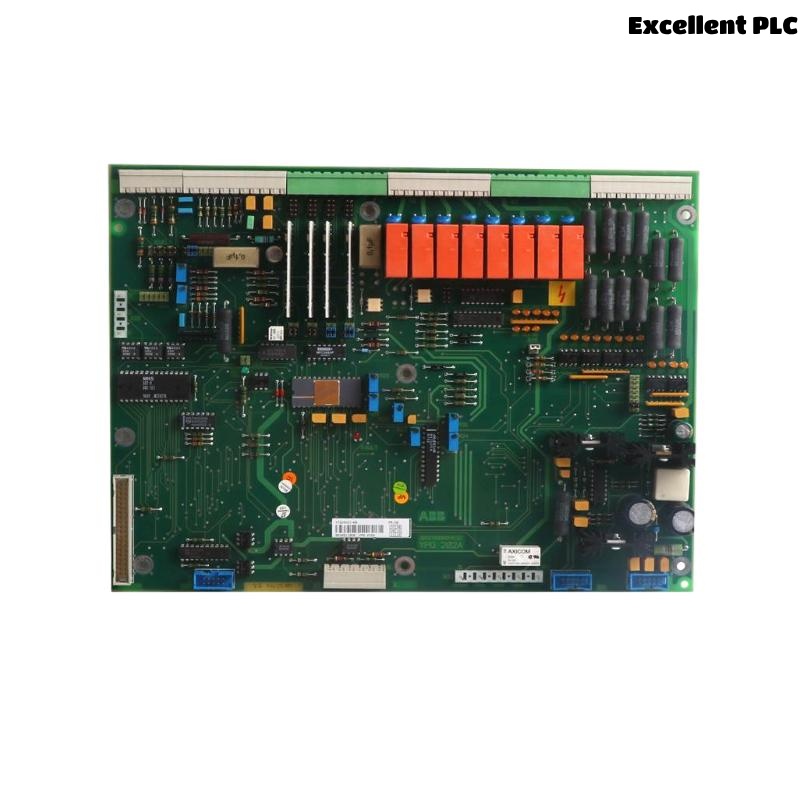
The ABB NINT-53C 61353291 Main Circuit Interface Board is an important control interface component used in industrial drive and power control systems. Developed by ABB, this board is designed to provide reliable communication and signal coordination between the main power circuit and the control electronics within variable frequency drives and other power conversion equipment. It serves as a critical interface layer that ensures accurate transmission of control signals and feedback data within the drive system.
In modern industrial automation environments, drive systems rely on multiple electronic boards to coordinate power conversion, monitoring, and control tasks. The NINT-53C interface board acts as a bridge between the power stage and the control unit, enabling safe and stable interaction between high-power circuits and low-voltage control electronics. By ensuring that signals are correctly routed and conditioned, the board helps maintain stable operation of the overall system.
The board is commonly installed inside ABB industrial drives where it performs several essential tasks, including signal isolation, feedback transmission, and interface management between inverter modules and the drive controller. Its design allows it to support high reliability operation in environments where electrical noise, temperature variations, and continuous load conditions are common.
Engineered with industrial-grade electronic components and robust circuit layout, the NINT-53C interface board provides stable performance over long operating periods. Its compact structure also allows convenient installation within the limited space of drive cabinets and power modules. This makes it a practical solution for maintaining reliable drive performance in industries that depend on continuous and precise motor control.
Product Specifications
| Parameter | Value |
|---|---|
| Product Model | NINT-53C |
| Part Number | 61353291 |
| Manufacturer | ABB |
| Product Type | Main Circuit Interface Board |
| Function | Interface communication between main power circuit and control electronics |
| Application System | Industrial drives and power control equipment |
| Signal Interface Type | Industrial control signal interface |
| Circuit Technology | Industrial-grade printed circuit board |
| Installation Environment | Inside industrial drive or control cabinet |
| System Compatibility | ABB drive systems and related power electronics |
| Mounting Method | Internal board installation |
| Dimensions | 180 × 35 × 130 mm |
| Weight | 0.132 kg |
Applications
• Industrial variable frequency drives (VFDs) where the interface board connects the control processor with the power inverter stage.
• Motor control systems used in manufacturing plants to manage speed, torque, and operational stability of electric motors.
• Power conversion equipment such as industrial rectifiers and inverters that require stable signal communication between control and power circuits.
• Process automation systems used in industries like chemical processing, mining, and metallurgy where drive reliability is critical.
• Large pump and compressor control systems that depend on stable drive communication and feedback monitoring.
• Conveyor and material handling systems where continuous motor operation requires reliable interface control between drive components.
• Power distribution and control cabinets used in heavy industrial facilities that integrate multiple drive modules.
Advantages
• Reliable signal interface design ensures stable communication between high-power circuits and sensitive control electronics.
• Industrial-grade PCB construction improves durability and long-term reliability in demanding operating environments.
• Effective electrical isolation capability helps protect control systems from interference generated by power electronics.
• Compact structural design allows easy installation inside drive systems without occupying excessive cabinet space.
• Optimized for ABB drive platforms ensuring seamless integration with existing drive architectures and control modules.
• Stable operational performance even in environments with vibration, electrical noise, and continuous load cycles.
• Simplified system maintenance due to modular design that allows easy replacement or troubleshooting within drive cabinets.
• Improved system reliability by maintaining consistent communication between power modules and control circuits.