Excellent PLC


Product Introduction
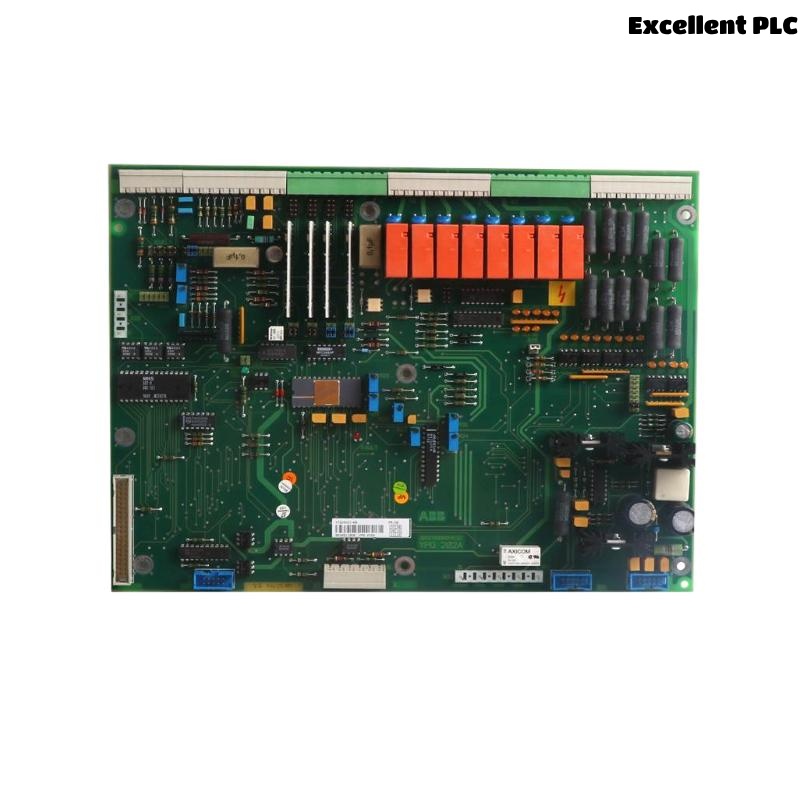
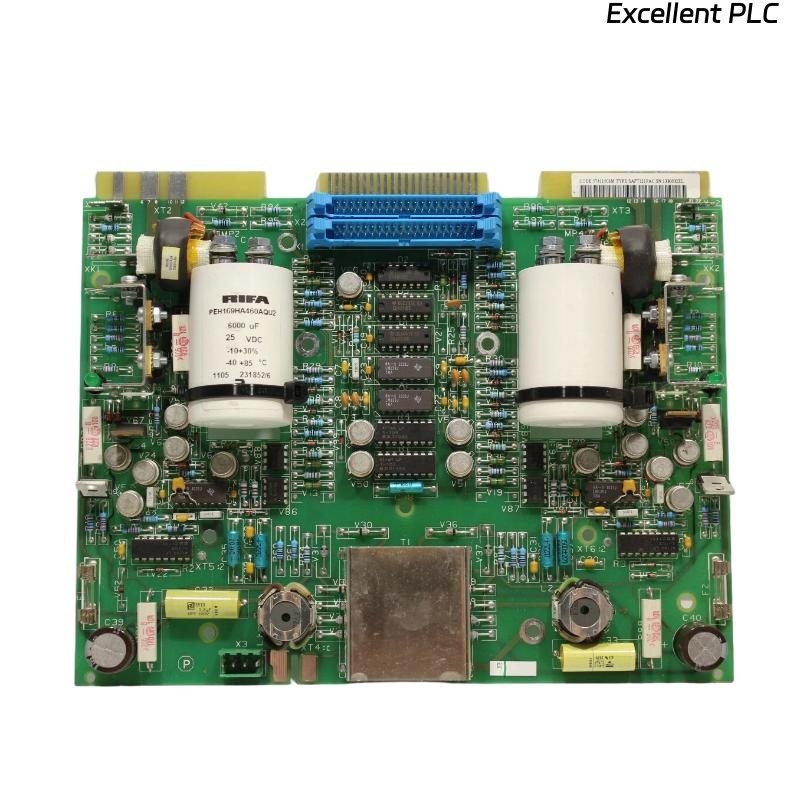
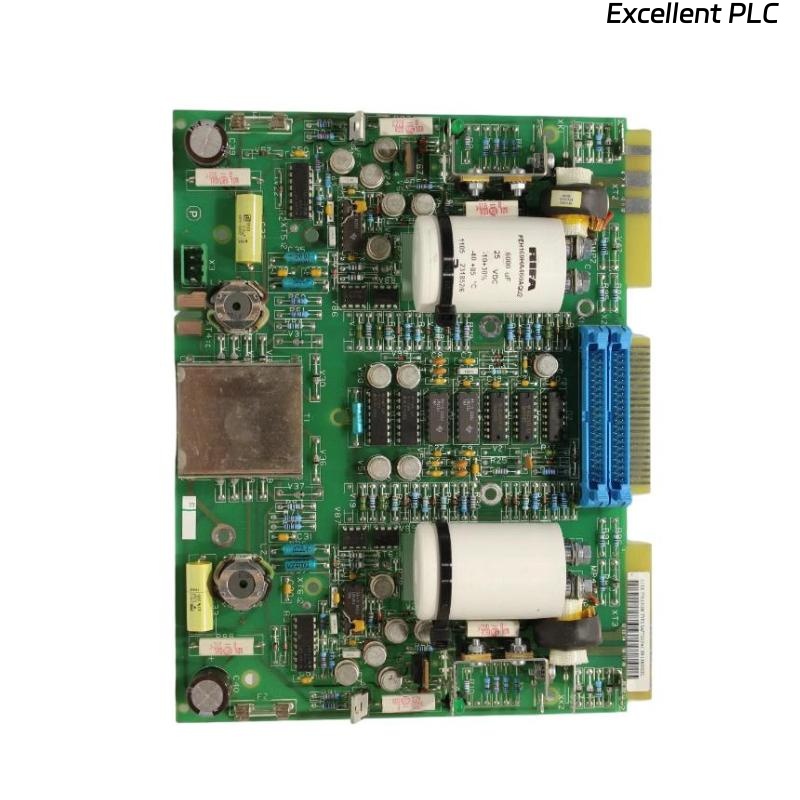
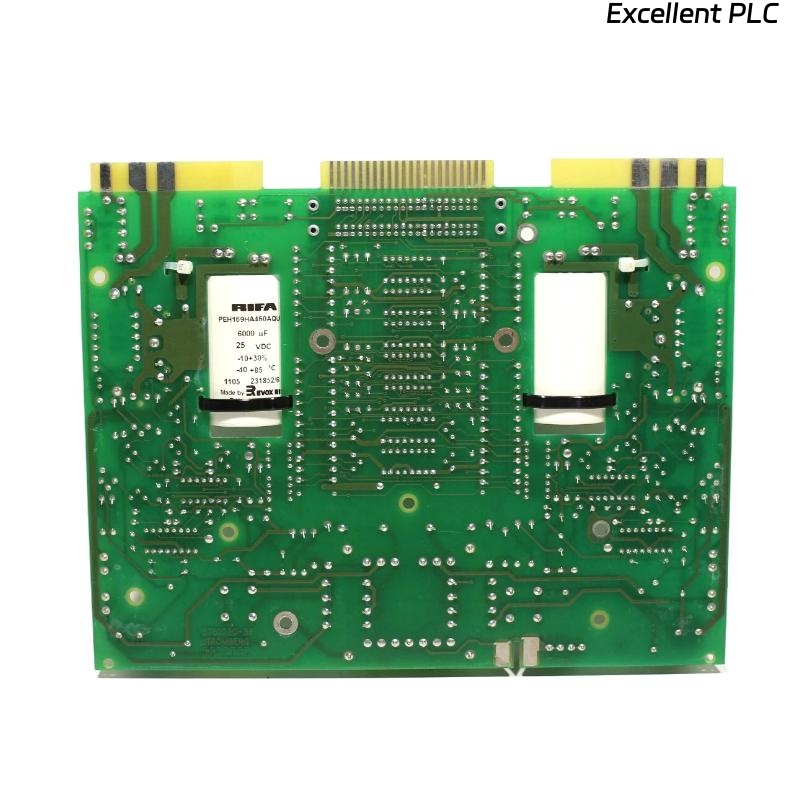
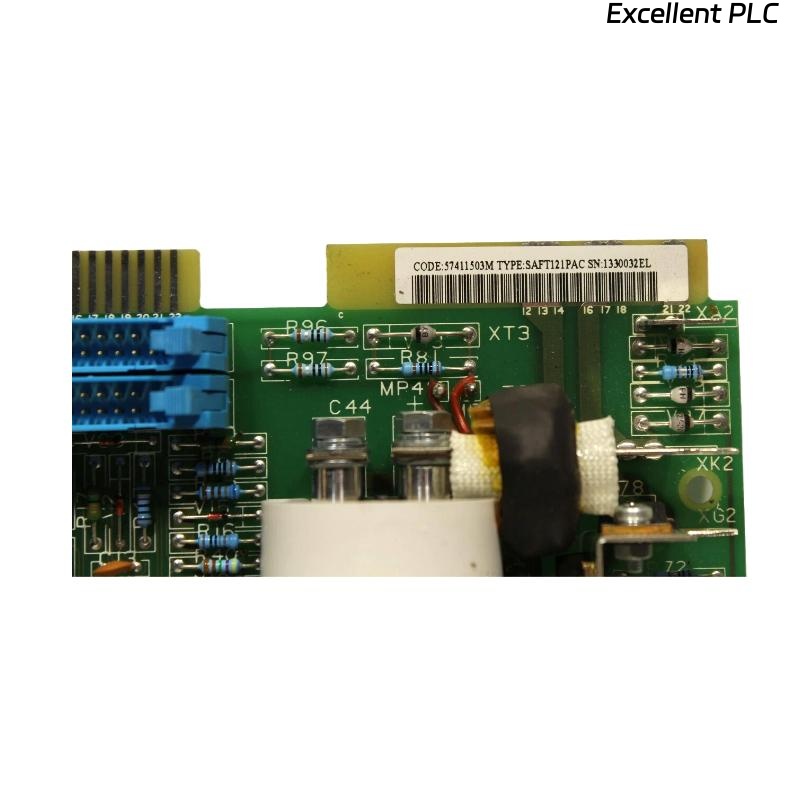
The ABB SAFT121PAC 57411503M Control Board is a high-performance and robust control module designed specifically for ABB’s distributed control systems (DCS). Widely integrated within ABB Symphony Plus and legacy Advant Master systems, this module offers reliable real-time control and processing capabilities for various industrial applications. With a robust design that adheres to ABB’s stringent quality and safety standards, the SAFT121PAC plays a vital role in managing field signals, executing control algorithms, and interfacing with process equipment in mission-critical operations.
Used extensively in power generation, water treatment, chemical plants, and oil & gas facilities, this board ensures stable operation in complex automation environments. It supports rapid data acquisition, high-speed communication with other system components, and is equipped with embedded diagnostics for predictive maintenance and enhanced system reliability.
Product Specifications
| Parameter | Value |
|---|---|
| Product Name | Control Board SAFT121PAC |
| Part Number | 57411503M |
| Manufacturer | ABB |
| System Compatibility | Symphony Plus, Advant Master |
| Function | Control and I/O processing |
| Input Signal Types | Analog, Digital |
| Communication Protocols | ABB proprietary buses, Serial, Fieldbus |
| Memory Type | Non-volatile, Flash-based |
| Voltage Supply | 24 V DC (typical) |
| Operating Temperature Range | -20°C to +70°C |
| Storage Temperature Range | -40°C to +85°C |
| Humidity Range | 5% to 95% (non-condensing) |
| EMC Compliance | IEC/EN 61000 series |
| Mounting Type | Rack-mounted |
| Dimensions (W x H x D) | 125 × 180 × 35 mm |
| Weight | 0.42 kg |
| Cooling Method | Natural convection |
| Conformal Coating | Yes (for enhanced protection) |
| Diagnostic Functions | Yes, self-diagnostics and fault indication |
| Firmware Upgradable | Yes |
| Redundancy Support | Yes |
Applications
The SAFT121PAC 57411503M is engineered for high-demand automation environments where precision control and system stability are essential. Its typical application areas include:
-
Power Plants: Turbine control, boiler control, generator protection
-
Oil & Gas: Pipeline automation, compressor control, safety interlocks
-
Chemical Processing: Reactor monitoring, batch control, PID loop regulation
-
Water and Wastewater Treatment: Pump control, chemical dosing, flow regulation
-
Metals and Mining: Furnace management, motor control, safety systems
Advantages
-
High Reliability: Engineered with industrial-grade components for 24/7 operation in harsh environments.
-
Fast Data Processing: Supports real-time control applications with minimal latency.
-
Diagnostics Built-In: Embedded health monitoring ensures proactive maintenance and rapid fault isolation.
-
Redundancy Ready: Supports redundant configuration for high availability systems.
-
Long Lifecycle: Designed to match the lifespan of large-scale control systems with backward compatibility.
-
Flexible I/O Support: Handles both analog and digital signals, reducing the need for additional modules.
-
Security and Integrity: Embedded firmware with security validation and checksum verification.
Frequently Asked Questions (FAQ)
-
Does the SAFT121PAC support hot-swapping within the DCS system?
Yes, depending on the system configuration, it can support hot-swapping with minimal process interruption. -
What kind of memory is used in this control board?
It uses non-volatile flash memory to store configurations and firmware. -
Is the firmware on the SAFT121PAC field-upgradable?
Yes, ABB provides secure firmware upgrade tools for field updates. -
How does the board handle communication failures or bus faults?
The board includes built-in fault detection and isolation to ensure safe failover or fallback strategies. -
Does the SAFT121PAC support redundancy configurations?
Yes, it supports 1:1 redundancy for high availability systems. -
Can the SAFT121PAC process both analog and digital inputs simultaneously?
Yes, it is designed to handle mixed-signal environments efficiently. -
What is the diagnostic method used for internal fault detection?
It utilizes internal diagnostics, status LEDs, and system logs via the DCS for fault reporting. -
How is the configuration of the control logic done on this board?
Through ABB configuration software such as Control Builder or Composer. -
Is it compatible with third-party systems?
Generally, it is optimized for ABB systems, but integration via standard fieldbus protocols may be possible with customization. -
How is communication latency managed in high-speed applications?
The board uses deterministic communication and optimized buffering to minimize latency.
Related Models in the Same Series or Function Group
| Model Number | Description | System Compatibility |
|---|---|---|
| SAFT132PAC 57411704 | Advanced Control Processor | Symphony Plus / Advant Master |
| SAFT112PAC 57411401 | Basic I/O Control Board | Symphony DCS |
| INICT13A | Network Interface Controller | INFI 90 |
| INNIS21 | Network Interface Slave Module | Symphony Plus |
| IMCPM02 | Central Processor Module | Advant Master |
| IMMPI01 | Multifunction Processor Interface | MasterPiece 200/1 |
Popular ABB Models (Control and Automation Category)
| Model Number | Description | Application Area |
|---|---|---|
| PM864AK01 | AC800M Controller | General Industrial Automation |
| CI854AK01 | PROFIBUS DP Module | Field Communication |
| AI810 | Analog Input Module (8 ch) | Analog Signal Acquisition |
| DI810 | Digital Input Module (16 ch) | Discrete Input Monitoring |
| PM902F | Redundant CPU for Freelance | Safety & Control Systems |
| CP660 | Operator Panel (HMI) | Process Visualization |