 Excellent PLC


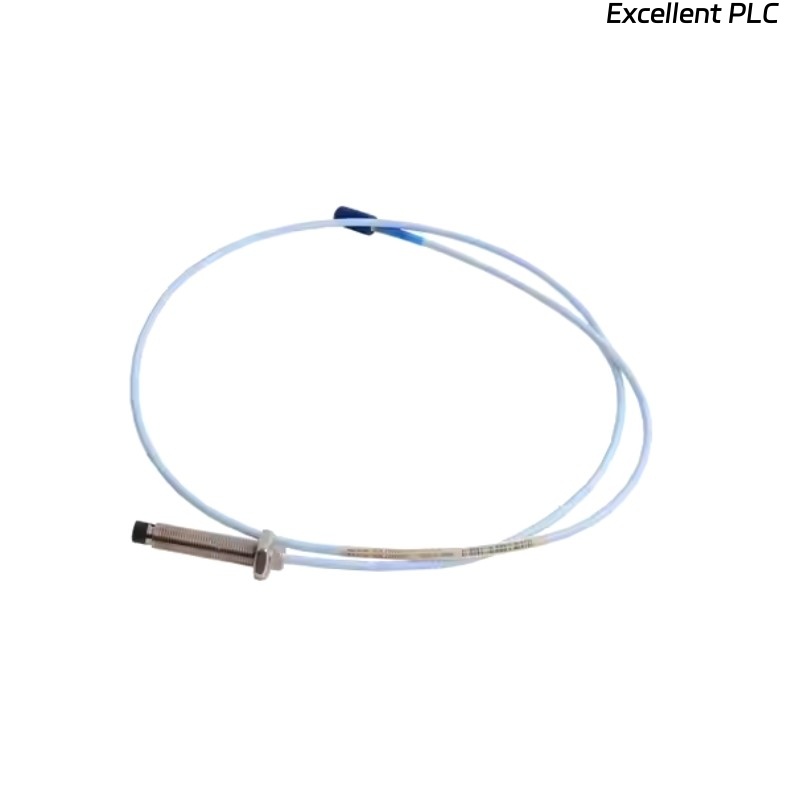
The Bently Nevada 109548-01 / P1407030-00100 proximity probe, part of the 3300XL NSv vibration monitoring series, feeds critical shaft displacement and vibration data to protection and condition monitoring systems. While the probe and proximitor electronics are highly reliable, mechanical connection integrity is vital for continuous signal transmission.
In this case study, intermittent vibration “dropouts” were traced to a loose connector, resulting in transient alarms, misleading vibration trends, and operational confusion.
1. Observed Field Symptoms
Operators and reliability engineers reported:
-
Sudden “flat-lined” vibration values for several seconds
-
Random return-to-normal behavior without operator action
-
Intermittent “Channel Not OK” or “Probe Gap Fault”
-
No mechanical noise or abnormal temperature rise
-
Most dropouts occurred during machine startup or load transitions
Such intermittent behaviors often point to electrical discontinuity rather than real mechanical changes.
2. System Environment
| Parameter | Details |
|---|---|
| Probe Model | 109548-01 / 3300XL NSv |
| Cable Routing | Junction box → proximitor → 3500 rack |
| Machine | Centrifugal compressor |
| Location | Petrochemical plant |
| Ambient Conditions | Vibration + thermal cycling + humidity |
Startup and load transition vibrations frequently expose marginal connector integrity.
3. Diagnostic Investigation
3.1 Real-Time Data Analysis
Using System 1®, monitoring personnel noted:
-
Sudden zero-value segments in time waveform
-
No phase noise before or after dropouts
-
No gradual bias shift (dropout was binary)
-
Post-dropout values immediately resumed baseline
This strongly suggested electrical interruption, not mechanical variation.
3.2 Channel Cross-Verification
To isolate the fault:
| Comparison Channel | Behavior |
|---|---|
| X Probe | Dropouts present |
| Y Probe | Normal |
| Velocity Sensors | Normal |
| Accelerometers | Normal |
Conclusion: single-sensor electrical path failure.
3.3 Physical Inspection Findings
Technicians performed a connector trace and discovered:
-
Probe-to-extension cable connector partially backed off
-
Retention clip not fully engaged
-
Oxidation presence on mating surfaces
-
Vibration marks on connector housing
After reseating and cleaning, no further dropouts were observed during dynamic testing.
4. Root Cause Analysis
Root causes identified included:
✔ Connector not fully mated during maintenance shutdown
✔ Thermal cycling loosening connector over time
✔ Vibration-induced micro-movement of contacts
✔ Oxidation layer increasing contact resistance
✔ No locking strap or retainer clip installed
Connector integrity is a known weak link in harsh environments, especially where vibration + temperature + oxidation interact.
5. Corrective Measures Implemented
-
Connector Cleaning & Reseating
-
Used contact-safe electrical cleaner
-
Removed oxidation from male/female contacts
-
Reseated to positive “click” engagement
-
-
Mechanical Retention Improvement
-
Installed retention clip on connector body
-
Added strain relief to reduce movement
-
-
Environmental Control
-
Applied dielectric grease for corrosion resistance
-
Added cable grommet to reduce moisture ingress
-
-
Data Validation
-
No dropouts during 24-hour monitored run
-
30-day trend remained stable
-
6. Preventive Best Practices
| Preventive Action | Benefit |
|---|---|
| Use locking connectors or retention clips | Prevent loosening under vibration |
| Apply contact cleaner during PM tasks | Removes oxidation & contamination |
| Perform continuity checks | Detects marginal contact resistance |
| Add strain relief near connectors | Reduces mechanical stress |
| Inspect after thermal cycles | Ensures seating & contact pressure |
| Document connector torque & engagement | Adds accountability & traceability |
Many plants integrate connector checks into shutdown PM procedures, significantly reducing nuisance alarms.
7. Key Technical Insights
-
Loose connectors generate binary dropouts, not gradual drifts.
-
Vibration and thermal cycling are primary stressors for proximity probe wiring.
-
Misdiagnosis can lead to unnecessary mechanical inspections or shutdowns.
-
Small electrical faults can mimic large mechanical issues at the instrumentation level.
-
Robust connector retention significantly enhances system availability.
Conclusion
The Bently Nevada 109548-01 NSv probe hardware remained electrically stable; the failure originated in the mechanical connector interface, highlighting the importance of wiring integrity in API 670 compliant monitoring systems. Proper connector engagement, corrosion control, and strain relief practices dramatically improve signal reliability and prevent costly diagnostic confusion.