 Excellent PLC


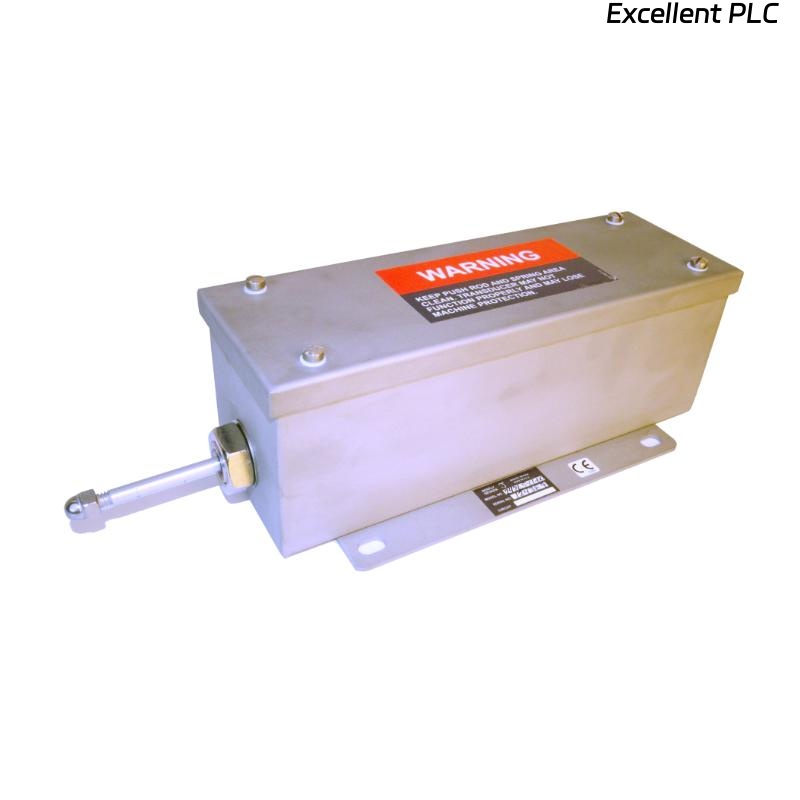
Table of Contents
- Bently Nevada 135613-03-00 Casing Expansion Sensor Troubleshooting Entry
- Typical Expansion Measurement Fault Symptoms
- Fault Diagnosis Strategy for Expansion Sensors
- Common Causes of Expansion Sensor Fault
- Real Case: Erratic Expansion Signal
- Repair and Recovery Actions
- FAQ
- Technical Summary
Bently Nevada 135613-03-00 Casing Expansion Sensor Troubleshooting Entry
Bently Nevada 135613-03-00 casing expansion sensor troubleshooting often reveals that abnormal expansion readings are caused by mechanical installation issues rather than sensor failure.
This guide provides a structured fault diagnosis approach based on expansion signal behavior.
Typical Expansion Measurement Fault Symptoms
- Erratic or fluctuating expansion values
- No expansion response during temperature change
- Sudden jumps in measurement
- Offset from expected thermal expansion curve
Understanding these symptoms is critical for accurate troubleshooting.
Fault Diagnosis Strategy for Expansion Sensors
IF no expansion change:
    check sensor positioning
    verify signal wiring

IF erratic signal:
    inspect mounting stability
    check vibration influence

IF sudden jumps:
    check cable integrity
    inspect connector condition

IF offset measurement:
    verify calibration baseline
    compare with design expansion values
This method reflects real field troubleshooting practices.
Common Causes of Expansion Sensor Fault
- Mechanical misalignment of sensor
- Loose or unstable mounting bracket
- Cable damage or poor connection
- Thermal stress affecting installation structure
- Incorrect system configuration
Real Case: Erratic Expansion Signal
In a turbine system, casing expansion readings fluctuated between 1.2 mm and 3.5 mm during steady operation.
Analysis:
- No actual thermal variation observed
- Signal instability increased with machine vibration
- Mechanical mounting found to be loose
Root Cause: Mounting bracket instability causing sensor movement.
Solution:
- Reinforced mounting structure
- Re-aligned sensor position
Result: Expansion stabilized at 2.1 mm ±0.1 mm.
Repair and Recovery Actions
- Re-align sensor mechanically
- Secure mounting structure firmly
- Replace damaged cables or connectors
- Recalibrate system after repair
Always perform commissioning validation after recovery.
FAQ
Why does expansion signal fluctuate during steady operation?
This is often due to mechanical instability or vibration affecting the sensor.
How to verify correct sensor alignment?
Check measurement direction and ensure alignment with expansion axis.
Is sensor failure common?
No, most issues are related to installation and mechanical conditions.
Technical Summary
This Troubleshooting Guide shows that most faults in the Bently Nevada 135613-03-00 casing expansion sensor are related to mechanical alignment, mounting stability, and environmental conditions. A structured engineering diagnosis ensures reliable expansion monitoring and system safety.