 Excellent PLC


Author: Michael O’Reilly – Senior Instrument Technician, Oil & Gas Facilities
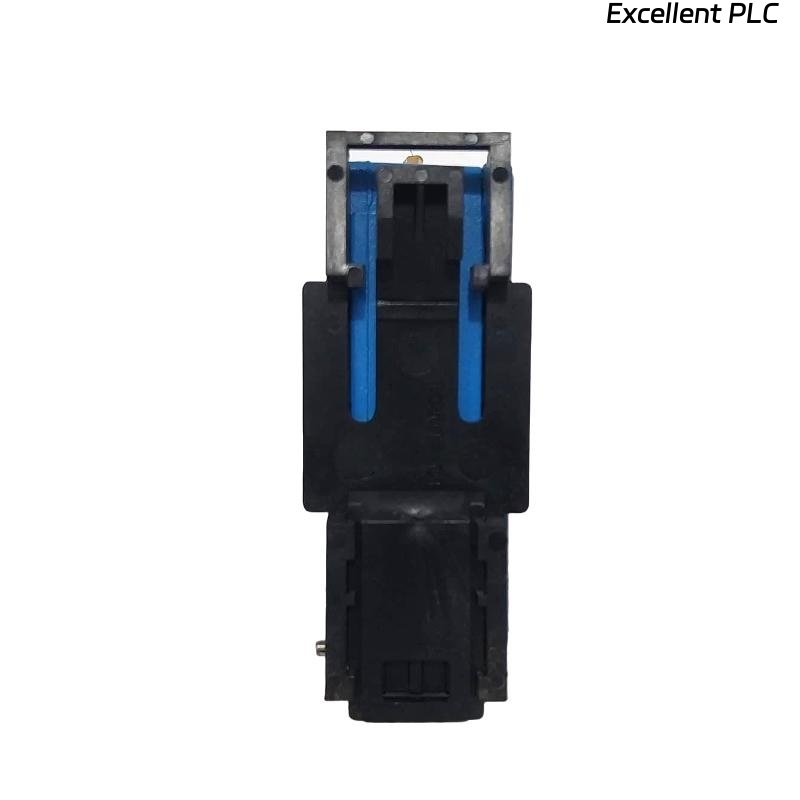
I don’t usually write blog posts about current sensors, but after spending two full shifts chasing a drifting signal on a Bently Nevada 163947-00-05-02-84-90 non-contact current sensor, I figured the experience might be useful to someone else.
This one wasn’t a dramatic failure. No alarms screaming, no obvious faults. Just a slow, annoying drift that made operators question whether they could trust the numbers on the screen.
What We Noticed in the Field
The sensor was installed on a motor-driven compressor package, monitoring phase current for condition analysis. Over time, we observed:
-
Current readings drifting upward during steady load
-
Zero offset present even when the motor was offline
-
Drift increasing during afternoon hours
-
No correlation with actual motor load changes
The system never tripped, but trending data became unreliable, which is almost worse.
Initial Checks (All Looked Fine)
Naturally, we went through the basics first:
-
Verified motor current using a handheld clamp meter
-
Checked power supply voltage to the sensor
-
Inspected wiring and termination points
-
Confirmed monitoring module configuration
Everything checked out. The motor current was stable. The wiring was clean. The module wasn’t lying.
That left the sensor itself—or its environment.
The Real Cause: Temperature Influence and Magnetic Offset
The 163947 non-contact current sensor relies on magnetic field measurement rather than direct electrical contact. That design is great for safety, but it comes with a weakness: sensitivity to temperature and external magnetic influence.
Here’s what we eventually confirmed:
-
Sensor mounted close to a motor casing that reached high surface temperatures
-
Ambient temperature inside the enclosure exceeded 50°C during peak operation
-
Nearby power cables created residual magnetic fields
-
The sensor experienced gradual magnetic offset shift, leading to zero drift
Once we correlated drift magnitude with enclosure temperature, the picture became clear.
How We Corrected the Issue
The fix wasn’t complicated, but it required changing the installation approach:
-
Relocated the Sensor
-
Increased distance from motor body and high-current busbars
-
-
Improved Thermal Conditions
-
Added ventilation and reduced enclosure temperature by ~8°C
-
-
Re-zeroed the Sensor
-
Performed zero calibration at stable ambient temperature
-
-
Adjusted Cable Routing
-
Separated signal wiring from power conductors
-
After these changes, the sensor stabilized immediately. Zero offset remained consistent across temperature cycles, and trending data aligned with clamp meter readings.
Lessons from This Case
A few takeaways worth sharing:
-
Non-contact sensors are not immune to environmental influence
-
Temperature matters more than most people expect
-
Magnetic fields from nearby conductors can introduce subtle bias
-
Drift doesn’t always mean failure—it often means installation issues
Too often, sensors get replaced when the real problem is how and where they’re mounted.
Final Thoughts
The Bently Nevada 163947-00-05-02-84-90 is a solid current sensor when installed correctly. If you’re seeing unexplained drift or zero offset, don’t rush to blame the electronics. Look at heat, magnetic exposure, and physical placement first.
In our case, the sensor didn’t need replacing—just a better environment.
— Michael