 Excellent PLC


By Samuel Wright – Engine Diagnostics Engineer
I’ll admit it upfront: we blamed the sensor too early.
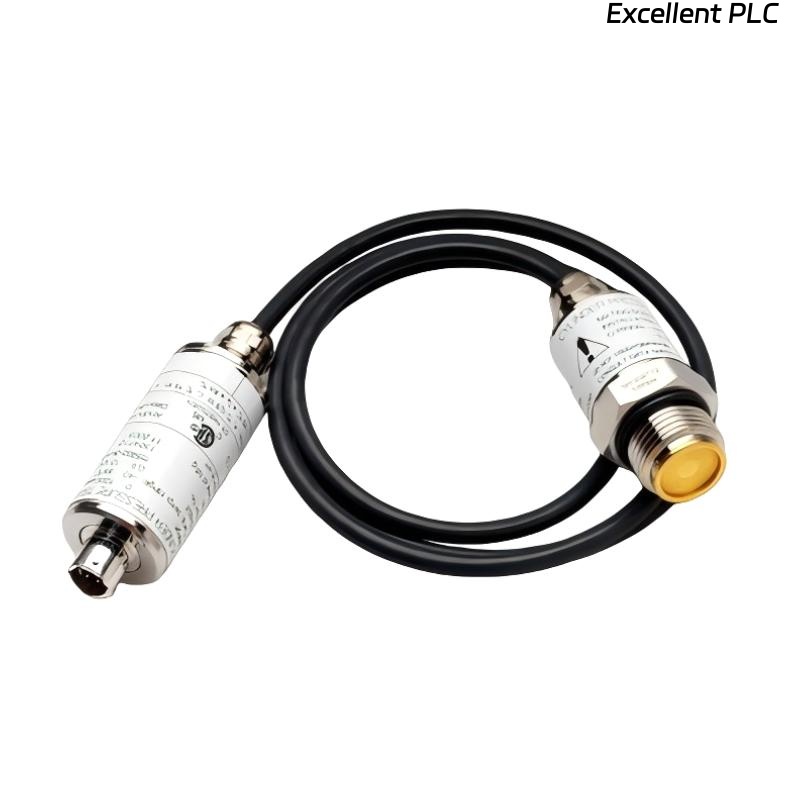
The cylinder pressure data from a Bently Nevada 165855-12-01 started looking rough. Not wrong exactly — just messy. Pressure curves were jittery, especially at certain engine speeds. Everyone in the room reached the same conclusion almost instantly.
“Bad sensor.”
We were wrong.
The engine was a large reciprocating unit running close to a structural resonance point. At specific RPM ranges, vibration levels increased sharply — but only locally, around the cylinder head.
The pressure signal reflected that.
What the Data Looked Like
-
Pressure curve showed high-frequency oscillations
-
Peak pressure varied cycle to cycle
-
Mean pressure remained reasonable
-
Electrical noise checks showed nothing abnormal
It didn’t look like EMI. It didn’t look like power issues. It looked… mechanical.
What We Did First (The Wrong Step)
We replaced the 165855-12-01 sensor.
No change.
Same noise. Same jitter. Same confusion.
That’s when the discussion got uncomfortable.
What We Missed Initially
The sensor wasn’t failing. It was listening to more than pressure.
Cylinder pressure sensors are rigidly mounted to the engine. If the mounting surface vibrates, that vibration is mechanically transmitted into the sensor body.
Inside the sensor, the sensing element doesn’t know the difference between:
-
Actual pressure-induced stress
-
Mechanical stress from vibration
It reacts to both.
The Real Root Cause
-
High mechanical vibration at specific engine speeds
-
Rigid sensor mounting without isolation
-
Vibration energy coupling directly into the sensor housing
-
Pressure signal contaminated by mechanical acceleration
The sensor was faithfully reporting stress — just not all of it was pressure.
The Fix That Actually Worked
-
Modified the mounting arrangement to reduce vibration transfer
-
Improved stiffness and flatness of the mounting surface
-
Added damping between sensor and structure where allowed
-
Verified vibration levels before and after changes
Once vibration transmission was reduced, the pressure curve cleaned up immediately.
What This Taught Us
-
Not all noisy pressure signals are electrical
-
Mechanical coupling matters more than most people think
-
Replacing sensors without understanding stress paths wastes time
-
Pressure sensors “feel” the structure they’re bolted to
Final Thought
The Bently Nevada 165855-12-01 did nothing wrong. It measured exactly what it was subjected to.
The mistake was assuming pressure sensors only respond to pressure.
They don’t.
— Samuel