 Excellent PLC


Fault Scenario Overview
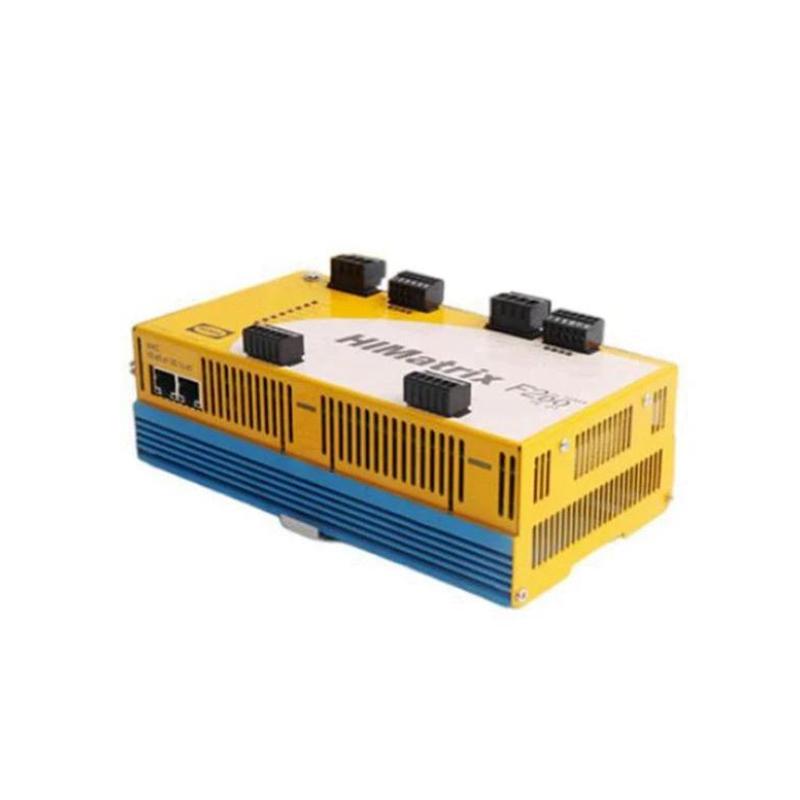
In a continuous-process production line using a HIMatrix safety controller, one channel of the Black Horse F2 DO 16 01 Remote I/O Module began showing intermittent output instability.
Observed symptoms:
-
Output energizes normally
-
After 10–30 minutes, output flickers briefly
-
Load device (indicator lamp) flashes momentarily
-
No overcurrent alarm recorded
-
Communication stable
-
Fault disappears after cabinet cool-down
This pattern strongly indicated a temperature-dependent hardware issue.
Why Intermittent Faults Are Difficult
Intermittent output faults are often misdiagnosed because:
-
Logic remains correct
-
Protection does not trigger
-
Failure only appears under thermal load
-
Restart temporarily clears symptom
Unlike hard transistor failure, this is typically mechanical or solder-related degradation.
Step 1 – Thermal Correlation Test
1. Run module under full load.
2. Monitor internal cabinet temperature.
3. Use infrared camera to detect hotspots.
4. Observe flicker timing vs temperature rise.
Flicker began when internal temperature exceeded ~55°C.
Step 2 – Mechanical Stress Verification
HIMatrix cabinets in this installation were subject to:
-
Compressor vibration
-
High ambient heat
-
Continuous 24/7 duty
Thermal expansion and contraction cycles can weaken solder joints over time.
Step 3 – Controlled Stress Test
1. With output energized, gently apply insulated probe pressure to module casing.
2. Observe output stability.
3. Slight vibration reproduction test.
Light pressure caused output to momentarily drop — confirming internal mechanical instability.
Root Cause – Solder Joint Fatigue on Output Driver
Detailed lab inspection revealed:
-
Micro-crack in solder joint of output driver transistor
-
Crack widened under thermal expansion
-
Electrical continuity intermittently lost
This is a classic thermally induced intermittent connection.
Why No Diagnostic Alarm Appeared
Because:
-
The transistor was not overloaded
-
Current stayed within limits
-
Protection circuits never triggered
-
Communication remained intact
The issue was purely physical continuity degradation.
Corrective Action Plan
– Replace F2 DO 16 01 module.
– Improve cabinet ventilation.
– Install vibration damping mounts.
– Verify ambient temperature within specification.
After module replacement and airflow improvement, no further flicker occurred.
Preventive Engineering Recommendations
-
Maintain cabinet temperature below recommended limits.
-
Avoid mounting I/O modules near high-vibration equipment.
-
Periodically inspect for discoloration or heat marks.
-
Ensure adequate spacing between modules.
Thermal stress is one of the leading long-term failure mechanisms in digital output modules.
Conclusion
Intermittent flickering on the Black Horse F2 DO 16 01 Remote I/O Module is often caused by thermal-induced solder fatigue rather than electronic overload. Temperature correlation testing and controlled vibration checks allow precise identification of micro-connection failures, ensuring reliable operation in HIMatrix systems.