 Excellent PLC


Incident Overview
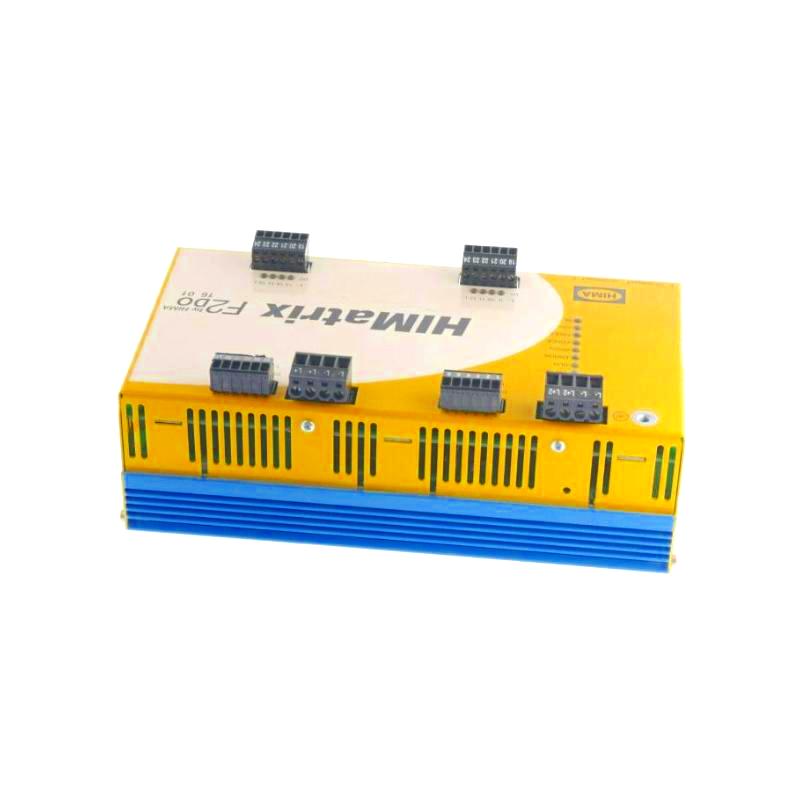
In a HIMatrix-controlled industrial panel, several outputs on the Black Horse F2 DO 16 01 Remote I/O Module were intermittently shutting down during operation.
Observed symptoms:
-
Output activates normally
-
Load energizes briefly
-
Output drops after 1–3 seconds
-
Module diagnostics show overcurrent event
-
After reset, cycle repeats
No permanent hardware failure was observed.
Understanding Overcurrent Protection Mechanism
The F2 DO 16 01 digital outputs include:
-
Electronic current limiting
-
Thermal monitoring
-
Short-circuit shutdown
-
Automatic or manual reset logic
When load current exceeds rated limits, protection activates to prevent transistor damage.
Step 1 – Measure Steady-State Load Current
1. Energize output.
2. Measure steady-state current with clamp meter.
3. Compare with module rated output current.
Steady-state current measured within specification.
However, shutdown still occurred.
Step 2 – Analyze Inrush Current
Inductive or capacitive loads may draw high inrush current during startup.
1. Use oscilloscope with current probe.
2. Monitor current during first 500 ms.
3. Identify peak inrush value.
Measured peak current: nearly 4× rated output current for 80 ms.
This exceeded internal protection threshold.
Root Cause – High Inrush from Solenoid Bank
The connected load consisted of:
-
Multiple parallel solenoid valves
-
No staggered activation
-
No current limiting
-
No suppression components
Simultaneous energizing caused temporary overcurrent spike, triggering protection.
Step 3 – Confirm Protection Behavior
1. Activate load with reduced parallel count.
2. Observe whether shutdown persists.
3. Gradually increase load channels.
When solenoids were activated sequentially instead of simultaneously, fault disappeared.
Corrective Action Plan
– Implement staggered output activation in PLC logic.
– Add current-limiting resistors if applicable.
– Install proper flyback diodes on inductive loads.
– Verify total parallel load current under startup conditions.
After modifying startup sequence, outputs remained stable.
Engineering Best Practices
-
Always evaluate inrush current, not only steady-state current.
-
Avoid grouping multiple inductive loads on one channel.
-
Use surge suppression devices.
-
Review module datasheet for peak current tolerance.
Electronic outputs are highly responsive but sensitive to transient spikes.
Conclusion
Repeated overcurrent shutdown on the Black Horse F2 DO 16 01 Remote I/O Module is commonly caused by excessive inrush current rather than steady-state overload. Proper current measurement during startup and logical load sequencing effectively eliminate the issue while preserving module integrity in HIMatrix systems.