 Excellent PLC


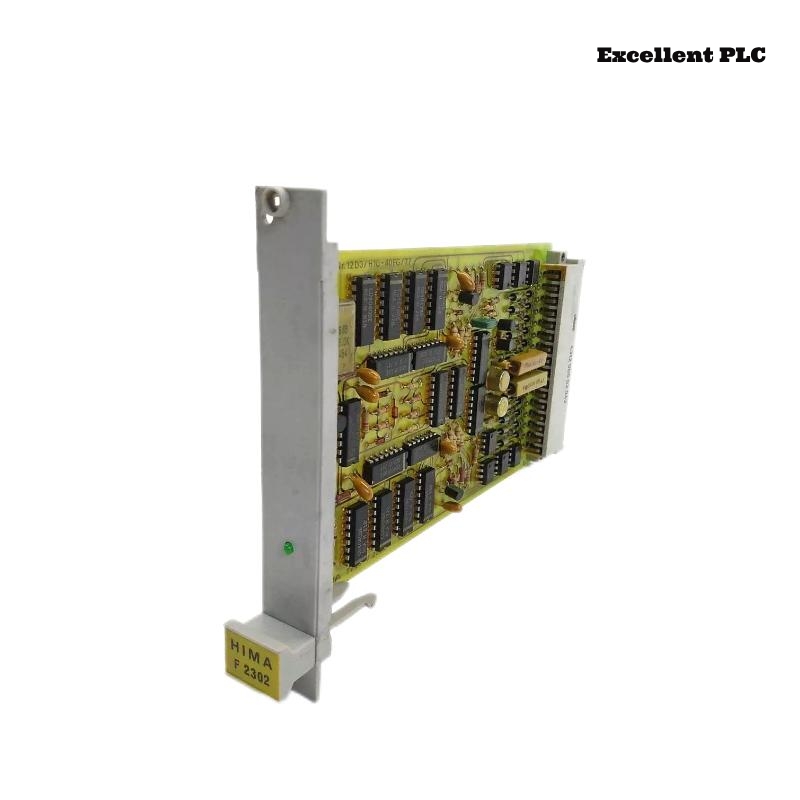
Fault Scenario
During continuous high-load operation, the F2302 safety module unexpectedly entered SAFE mode:
-
RUN LED: OFF
-
SAFE LED: Solid ON
-
Safety outputs de-energized immediately
-
Ambient cabinet temperature: 55–60°C
-
No abnormal input or power faults detected
Symptoms suggested overtemperature protection activation rather than module failure.
Step 1 – Measure Module Temperature
-
Thermal probe placed on F2302 heatsink: 72°C
-
Ambient cabinet temperature high due to multiple adjacent high-current modules
-
Forced air ventilation partially obstructed
Inference: Module exceeded maximum operating temperature → thermal lockout activated.
Step 2 – Review Module Diagnostic Logs
1. Connect engineering software to F2302.
2. Read temperature sensor status.
3. Identify overtemperature events and timestamps.
-
Log confirmed overtemperature event
-
Module automatically locked outputs to SAFE state
Step 3 – Understand Internal Thermal Protection
-
F2302 includes CPU and bus interface thermal monitoring
-
If temperature exceeds limit:
-
Outputs locked in SAFE
-
RUN LED switched off
-
Watchdog ensures module does not resume until temperature safe
-
Observation: Protection functioned as designed.
Step 4 – Corrective Action
-
Improve cabinet ventilation: remove dust, ensure airflow
-
Install auxiliary fans if necessary
-
Ensure heatsink contact is secure
-
Allow module to cool below safe temperature before restarting
Post-mitigation:
-
RUN LED ON
-
SAFE LED OFF
-
Module maintained proper outputs during full-load operation
Step 5 – Preventive Recommendations
-
Monitor module and cabinet temperature continuously in high-load environments
-
Maintain proper airflow and fan operation
-
Avoid placing high-heat modules adjacent without sufficient clearance
-
Include thermal checks in preventive maintenance program
Engineering Insight
-
Overtemperature lockout in F2302 is safety-critical, preventing unsafe operation
-
Module may appear “faulty” but is protecting itself from thermal damage
-
Thermal management is as important as electrical integrity in Planar F systems
Conclusion:
Unexpected SAFE mode in a Black Horse F2302 module often results from excessive temperature. Maintaining proper ventilation, monitoring, and cooling ensures reliable RUN mode operation in Planar F safety systems.