 Excellent PLC


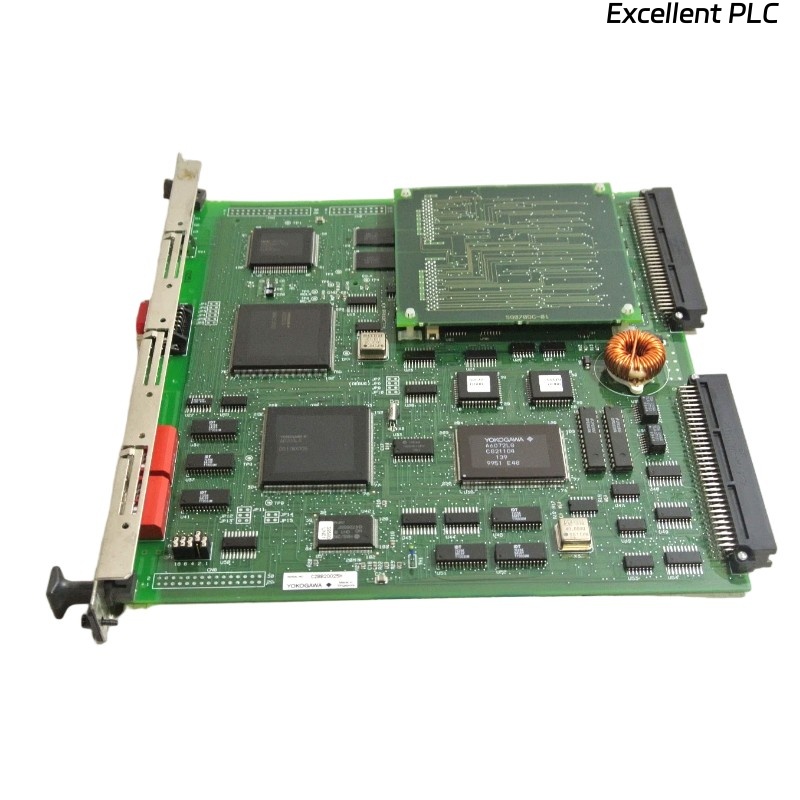
1. Incident Summary
A Yokogawa CP701 CPU deployed in a chemical processing facility experienced intermittent communication outages between field control stations (FCS) and I/O nodes. After investigation, the root cause was identified as water ingress inside the cabinet, resulting in corrosion and failure of the bus interface components.
The failure disrupted deterministic communication, reduced system reliability, and nearly triggered an emergency shutdown sequence due to lost control feedback signals.
2. Operational Context
-
System Type: Yokogawa CENTUM DCS
-
Control Unit: CP701 Central Processor
-
Environment: Semi-open control room adjacent to production line
-
Operating Hours: Continuous 24/7 operation
-
Ambient Conditions: High humidity + chemical vapors present
3. Observed Symptoms
Operators reported the following symptoms during the event window:
-
Loss of data from multiple I/O nodes
-
Unresponsive field modules
-
SCADA alarms for communication timeout
-
Intermittent recovery followed by repeated dropouts
SCADA alarm list (excerpt):
These intermittent clears suggested physical-layer instability rather than logical failures.
4. Diagnostic Investigation
The maintenance team followed a layered diagnostic approach:
4.1 Physical Inspection
Opening the controller cabinet revealed:
-
Water traces near cable entry points
-
Corrosion on bus connector pins
-
Moisture condensation around bottom panel
-
Damaged cable insulation
Corrosion particularly affected the RS-485/fieldbus connection points.
4.2 Electrical Verification
Signal integrity testing showed:
-
Attenuation beyond acceptable limits
-
Reflections due to degraded connectors
-
Increased signal error rate
Bus diagnostics snapshot:
4.3 Software-Level Bus Scan
Engineering workstation scan results:
This confirmed the failure occurred at the physical/bus interface layer, not at protocol or logic layers.
5. Root Cause Analysis
The root cause was determined to be water ingress due to failed cabinet sealing, combined with high humidity operational environment.
Key contributing factors:
-
Damaged grommets at cable harness entry
-
Lack of proper IP-rated enclosure sealing
-
No dehumidification or cabinet heating system
-
Chemical vapor accelerated corrosion
6. Corrective Actions Applied
The maintenance team carried out the following corrective actions:
✔ Replacement of Bus Interface Module
Corroded CP701 bus interface daughterboard replaced with a certified spare.
✔ Connector & Cable Replacement
Affected connectors and trunk cables replaced due to insulation damage.
✔ Cabinet Sealing & Waterproofing
Cable glands and grommets upgraded to IP65-rated hardware.
✔ Environmental Conditioning
Desiccant and cabinet heaters installed to reduce moisture condensation.
✔ System Re-commissioning
Bus integrity verified post-repair:
7. Preventive Measures for Future Reliability
To prevent similar failures, the following measures were recommended:
-
Deploy IP54 or higher enclosures for humid environments
-
Add dehumidifiers or panel heaters for condensation control
-
Apply conformal coating to exposed electronics
-
Perform quarterly cabinet integrity inspections
-
Install leak detection tape in critical enclosures
In coastal and chemical plants, water ingress accounts for a significant percentage of unplanned DCS communication failures.
8. Conclusion
Water ingress can severely impact Yokogawa CP701 communication by damaging bus interface circuitry and degrading signal quality. In this case, environmental exposure—not controller design—was the primary cause.
Proper enclosure sealing, humidity management, and periodic physical inspections can dramatically reduce failures and extend the life of legacy Yokogawa DCS systems.