 Excellent PLC


By Lucas Pereira – Power Quality Specialist
We tend to separate power and communication as if they lived in different worlds.
On paper, they do.
Inside a control cabinet, they absolutely don’t.
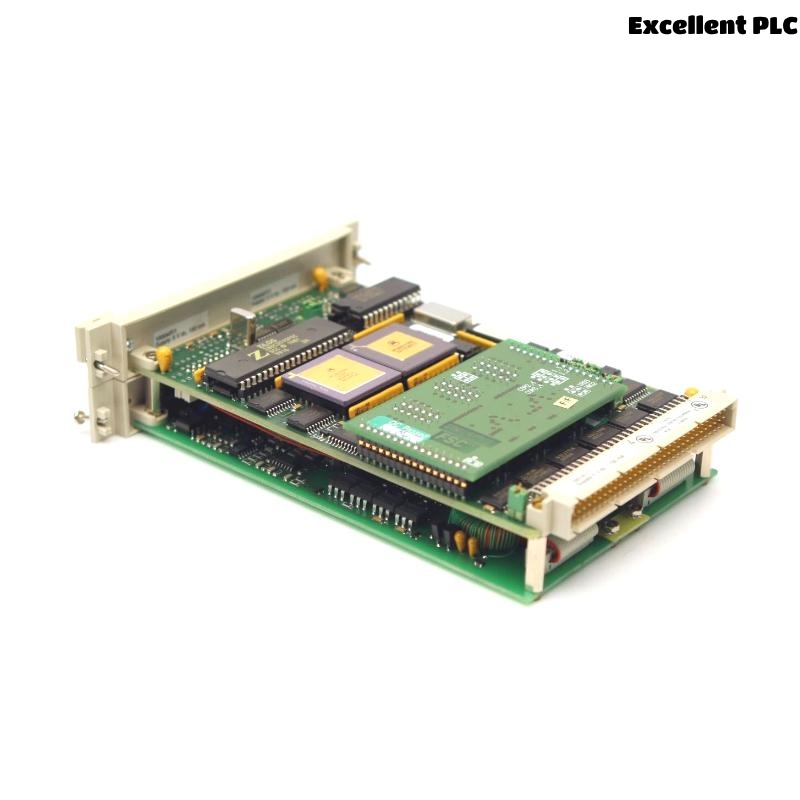
The Honeywell 10014/1/1 dual-port module taught that lesson the hard way.
The Setup That Looked “Within Spec”
-
Shared 24 VDC supply for I/O and communication modules
-
Long DC bus runs across the cabinet
-
Switching power supplies feeding multiple loads
-
No local decoupling near the communication module
Voltage levels met nominal requirements.
Power quality did not.
How the Fault Presented Itself
-
Sudden bursts of packet loss
-
Communication glitches during motor starts
-
Both ports affected simultaneously
-
No persistent link-down events
From a protocol perspective, everything “should” have been fine.
The Electrical Coupling Mechanism
High ripple and transients on the DC supply:
-
Modulated internal reference levels
-
Introduced noise into PHY circuitry
-
Reduced noise margins on port interfaces
The 10014/1/1 wasn’t losing power.
It was losing signal integrity.
Why Standard Checks Missed It
-
DC voltage measured steady with a multimeter
-
No brownouts recorded
-
Power supply rated adequately
Ripple lives in time domains that casual checks don’t capture.
How We Confirmed the Cause
We added local decoupling and filtering:
Communication stabilized immediately.
No network changes required.
Design Corrections Implemented
-
Dedicated DC feed for communication modules
-
Shortened power distribution paths
-
Added transient suppression near sensitive devices
-
Reviewed grounding and return paths
Engineering Takeaways
-
Power ripple couples into data paths
-
Dual-port failures can indicate common-mode power noise
-
Nominal voltage does not equal clean voltage
-
Communication reliability depends on power hygiene
Final Note
The Honeywell 10014/1/1 dual-port module didn’t suffer from a “network problem.”
It suffered from a cabinet design problem.
In control systems, power quality is part of data quality —
whether we acknowledge it or not.
— Lucas Pereira